Meaning and everyday life
Power is the human value concerned with social status, prestige and control over people or resources. In Schwartz's Theory of Basic Human Values, it represents the importance individuals attach to possessing influence, directing outcomes and maintaining an advantageous position within social relationships or institutions. People who strongly prioritise Power may seek leadership positions, political authority, material resources or opportunities to exercise control over decisions that affect others. The defining motivation is the possession and exercise of influence rather than competence, personal independence or recognition alone.
Power is sometimes treated as an inherently negative characteristic, particularly because the pursuit of authority can be associated with domination, manipulation or exploitation. In values psychology, however, it is important to distinguish the motivation to possess power from the methods used to acquire and exercise it. Someone may seek authority to direct an organisation effectively, implement ambitious policies or protect interests they consider important. Another person may pursue similar positions primarily because they enjoy superiority or control. The value identifies a common motivational theme without assuming that everyone who prioritises it behaves in the same way.
Finer distinctions
Schwartz's refined theory distinguishes Power–Dominance and Power–Resources. Power–Dominance concerns exercising control over other people, while Power–Resources concerns control over material and social resources. These motivations can overlap, since wealth or institutional resources may provide opportunities to influence others, but they need not be equally important. Someone might be strongly interested in accumulating financial resources while having little desire to direct other people's behaviour. Conversely, another individual might seek authority within an organisation despite being relatively uninterested in personal wealth. The refined framework also identifies Face as a related but distinct value involving protection of one's public image and avoidance of humiliation.
Related values and distinctions
Within the circular structure, Power is closely associated with Achievement because both concern personal advancement and social recognition. Nevertheless, Achievement emphasises proving competence, whereas Power emphasises control and position. Power is more distant from Universalism, which concerns equality and the welfare of all people, because pursuing dominance can conflict with giving equal consideration to others' interests. It can also create tensions with Benevolence when the desire to control outcomes interferes with the needs or autonomy of people within one's immediate relationships. Such conflicts depend on the circumstances and the wider pattern of values involved.
Higher and lower priorities
A strong emphasis on Power may encourage the pursuit of influence, leadership and control over resources, but it does not establish that someone is an effective leader or possesses manipulative personality traits. Authority can be sought without being exercised competently or ethically, just as people who place little importance on Power can nevertheless become successful leaders. Someone with relatively low Power may prefer collaborative relationships, personal autonomy or work that does not involve directing others. They may be capable of asserting themselves when necessary while having little interest in prestige or dominance as goals in their own right.
The distinction between Power and other values is therefore primarily motivational. It concerns how important status and control are to an individual, not whether they possess authority, how much money they earn or whether their behaviour is morally acceptable.
Illustrative figures
Higher Power
Fictional:
 Cersei Lannister (A Song of Ice and Fire / Game of Thrones) — manoeuvres through court politics to protect her children's succession and eventually claims the throne herself. She treats court alliances, succession and public authority as contests to be won, making Power central to her political choices.
 Emperor Palpatine (Star Wars) — manipulates the Republic's institutions to become Chancellor and then Emperor, using crises to concentrate authority in his own hands. His ambition centres on controlling others and removing limits on his rule, making him a particularly clear fictional example of Power–Dominance.
Nonfictional:
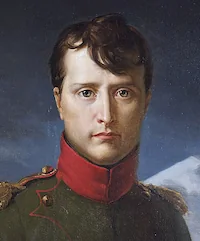 Napoleon Bonaparte — seized political authority through the 1799 coup, centralised executive authority as First Consul and later established the hereditary Empire. His career shows political power being steadily consolidated in state institutions and the emperor's own office.
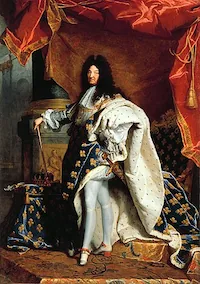 Louis XIV — made personal monarchy and state centralisation defining features of his reign, moving the court and government to Versailles and organising court life around the king. The palace displayed royal authority and served as the seat from which his centralised government ruled.
Lower Power
Fictional:
 Samwise Gamgee (The Lord of the Rings) — remains loyal to Frodo throughout the journey to Mordor, helping him endure the Ring's burden and complete their shared task. His loyalty to a friend and attachment to ordinary life matter more to him than command or prestige.
 Frodo Baggins (The Lord of the Rings) — accepts the task of carrying the Ring to Mordor and resists using its power through much of the quest, though it gradually wears down his resolve. At Mount Doom he claims it for himself, showing how sustained resistance can finally fail under overwhelming pressure.
Nonfictional:
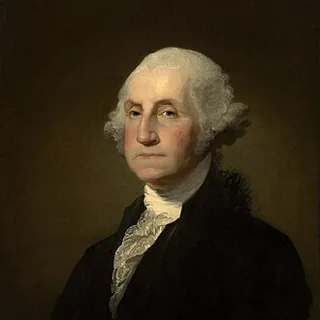 George Washington — resigned his military commission after the Revolutionary War and returned to private life; later, he declined to seek a third presidential term. Together, these decisions show a willingness to relinquish formal authority at specific turning points in his public life.


