Meaning and everyday life
Face is the human value concerned with maintaining one's public image, preserving social dignity and avoiding humiliation or embarrassment. Within Shalom Schwartz's refined Theory of Basic Human Values, it represents the motivation to protect one's standing in the eyes of others and avoid situations that could damage personal reputation or social respectability. People who place considerable importance on Face may be especially concerned with how they are perceived, whether others respect them and whether their behaviour reflects favourably upon their social identity. The defining motivation is not necessarily the pursuit of admiration or superiority, but the preservation of a socially acceptable and respected public image.
Face plays an important role in everyday social life because reputation can influence relationships, opportunities and an individual's position within a community. Someone who strongly values Face may take particular care over their appearance, conduct and public statements, especially when they believe these could affect how others regard them. They may be reluctant to acknowledge a mistake publicly, uncomfortable with being embarrassed in front of colleagues or particularly sensitive to situations in which their competence or respectability is questioned. These concerns need not indicate vanity or dishonesty. Maintaining a favourable reputation can serve legitimate social purposes, including preserving trust, demonstrating professionalism and protecting relationships that depend upon mutual respect.
Related values and distinctions
Schwartz's refined theory identifies Face as a distinct value positioned between Power and Security within the circular motivational continuum. Its definition combines elements of both: the pursuit of security and social standing through maintaining one's public image and avoiding humiliation. Face differs from Power because someone may care deeply about preserving their dignity without seeking authority or dominance over others. It also differs from Security because its emphasis is specifically on social evaluation rather than physical safety, financial stability or predictability in general. Nevertheless, threats to reputation can sometimes be experienced as threats to an individual's broader sense of security, particularly in environments where social standing has significant practical consequences.
The distinction between Face and Achievement is equally important. Achievement concerns demonstrating competence according to socially recognised standards, whereas Face concerns preserving a favourable image and avoiding the loss of respect. Someone motivated by Achievement may willingly risk public failure because attempting a difficult task offers an opportunity to demonstrate their abilities. An individual who strongly prioritises Face may be more reluctant to take the same risk if failure would involve considerable embarrassment. Conversely, a person may value Face while having relatively modest ambitions, preferring to maintain an established reputation rather than pursue more demanding accomplishments.
Face also has a complicated relationship with personality characteristics such as narcissism, social anxiety and self-esteem. A person who values Face may be attentive to reputation without believing themselves superior to others or requiring constant admiration. Likewise, someone who experiences social anxiety may fear negative evaluation without regarding prestige or public standing as important personal goals. Values describe what people consider important, whereas personality traits and emotional tendencies concern how they typically think, feel and behave. An unusually strong desire to avoid humiliation may contribute to defensive behaviour under certain circumstances, but Face should not be treated as a diagnosis or evidence of a particular personality disorder.
Everyday decisions
In everyday life, Face can influence how individuals respond to criticism, disagreement and public mistakes. Imagine a manager whose decision has produced an unsuccessful outcome. Someone who strongly values Face may be particularly concerned about how admitting responsibility will affect their professional reputation. They might attempt to explain the decision carefully, manage the public response or avoid drawing unnecessary attention to the failure. Another manager who places less importance on Face may be more comfortable acknowledging the mistake openly, particularly if doing so serves values such as honesty, learning or independent judgement. Neither response can be explained by Face alone, since responsibility, organisational incentives and personal circumstances also influence behaviour.
Higher and lower priorities
A strong emphasis on Face may encourage tact, professionalism and sensitivity to the social consequences of one's actions. However, difficulties can arise when preserving appearances becomes more important than acknowledging mistakes, expressing genuine opinions or making necessary changes. Someone who places relatively little importance on Face may be more comfortable risking embarrassment, challenging social expectations or accepting public criticism in pursuit of other goals. This does not necessarily mean they are shameless, inconsiderate or indifferent to their reputation. They may simply regard external approval as less important than personal autonomy, integrity or the achievement of a particular objective.
The significance of Face therefore lies in the importance attached to preserving social dignity and avoiding humiliation. It is a distinct motivational priority rather than a measure of confidence, honesty or personal worth, and its influence is best understood alongside the other values that guide an individual's decisions.
Illustrative figures
Higher Face
Fictional:
 Hyacinth Bucket (Keeping Up Appearances) — plans candlelit suppers and repeatedly stages a more genteel version of her life, carefully correcting how others address her surname. The comedy centres on managing status and respectability in other people’s eyes, a direct illustration of Face’s concern with public image.
 Mrs Bennet (Pride and Prejudice) — repeatedly calculates how her daughters’ marriages would affect their security and family standing, and panics when Lydia’s elopement risks public scandal. Her anxiety about the family’s reputation and the humiliation it might suffer fits Face’s focus on social evaluation.
 Draco Malfoy (Harry Potter) — uses his family’s pure-blood name and wealth to assert rank at Hogwarts, including boasting that his father bought Slytherin’s team new brooms. The story makes reputation and status among peers part of his identity, illustrating Face’s concern with social standing.
 Cersei Lannister (Game of Thrones) — guards the Lannister name and her claim to royal legitimacy, and the series makes her exposure to public humiliation especially visible in her walk of atonement. Her storyline highlights Face’s vulnerability to shame and lost standing alongside its connection with political authority.
Nonfictional:
 Louis XIV — used Versailles, court ceremony and the Sun King emblem to project royal magnificence, with public routines that kept him at the centre of court life. These symbols show attention to royal dignity and legitimacy, a Face illustration alongside the power politics of monarchy.
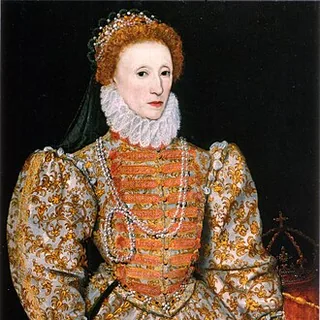 Elizabeth I — appeared in carefully composed portraits such as the Armada portrait of 1588, which surrounded her with symbols of victory and royal authority. This controlled public imagery helped communicate legitimacy to viewers, showing how a ruler’s reputation and dignity can become central concerns.
 Napoleon Bonaparte — appeared in imperial portraits and coronation ceremonies designed to present him in elaborate dress and symbols of authority, including Ingres’s throne portrait of 1806. The staged grandeur illustrates attention to public rank and legitimacy associated with Face, alongside its role in political power.
Lower Face
Fictional:
 Jeffrey "The Dude" Lebowski (The Big Lebowski) — wears casual clothes and shows little interest in the polished manners or social standing of the wealthy Jeffrey Lebowski. His attachment to bowling, friends and a comfortable routine makes conventional respectability a weak priority in his comic portrayal.
 Luna Lovegood (Harry Potter) — wears Butterbeer-cork jewellery and keeps publicly expressing unconventional ideas despite classmates calling her “Loony”. The story shows her carrying on through ridicule, illustrating a lower priority on peer approval while also depicting her close friendships.
 Pippi Longstocking — lives independently at Villa Villekulla, invents her own routines and puzzles adults with her unconventional dress and behaviour. Her cheerfully unconventional presentation offers a playful illustration of relatively little concern for conventional respectability or social embarrassment.
 Ferris Bueller (Ferris Bueller's Day Off) — skips school and flouts Principal Rooney’s authority, but also carefully maintains the story he tells his parents and enjoys his popularity. The example concerns his willingness to risk institutional disapproval, not an absence of concern about reputation or peers.
Nonfictional:
 Diogenes of Sinope — appears in later accounts as a Cynic living in Athens’ marketplace and staging provocative public acts to question convention. His documented reputation for flouting ordinary decorum makes a useful counterpoint to Face’s concern with preserving respectability.
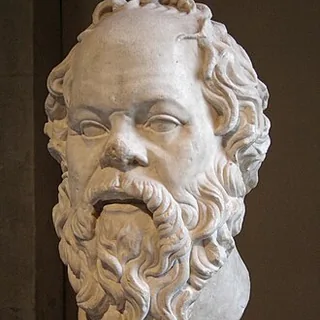 Socrates — in Plato’s Apology, defended a life spent questioning and accepted the court’s condemnation rather than disavowing that practice. The dialogue presents philosophical conviction as more important than guarding his public reputation or avoiding humiliation, a contrast with Face’s concern for social evaluation.
 Francis of Assisi — early Franciscan accounts describe him publicly renouncing his inheritance before the bishop and returning his clothes to his father. That break with family privilege makes him an example of placing religious commitments above inherited standing and conventional respectability.


