Meaning and everyday life
Self-Direction is the human value concerned with independence of thought and action, personal autonomy, creativity and the freedom to pursue one's own interests. In Shalom Schwartz's Theory of Basic Human Values, it represents the motivation to exercise personal judgement rather than allowing decisions to be determined entirely by external expectations or authority. People who place considerable importance on Self-Direction generally want opportunities to make meaningful choices, explore ideas and exercise control over the course of their lives. The value is not simply a preference for being alone or a dislike of rules, but a broader commitment to independent thought and self-determination.
Self-Direction can appear in intellectual, practical and personal contexts. Someone who strongly values it may enjoy questioning established assumptions, developing original solutions or pursuing subjects that attract their curiosity without requiring external encouragement. In employment, they may prefer considerable discretion over how their work is organised, while in relationships they may place particular importance on mutual respect for individual autonomy. Such individuals are not necessarily rebellious or difficult to cooperate with. They may willingly accept guidance, work within organisations and respect traditions, provided they retain sufficient freedom to exercise their own judgement. The underlying motivation is choice rather than opposition for its own sake.
Finer distinctions
Schwartz's refined theory distinguishes two narrower expressions of this value: Self-Direction–Thought and Self-Direction–Action. The first involves freedom to develop one's own ideas, abilities and understanding, whereas the second concerns freedom to determine one's own behaviour and decisions. These motivations frequently occur together but are not identical. An independent thinker may enjoy exploring unconventional ideas while preferring a predictable and structured everyday life. Conversely, someone may insist on practical freedom over their activities without being particularly interested in intellectual originality. The distinction helps explain why independence can take different forms.
Related values and distinctions
Self-Direction is closely related to Stimulation, which concerns excitement and novelty, and Universalism, which involves tolerance and openness towards the wider world. However, the desire for autonomy does not necessarily imply a desire for excitement. Someone may want independence precisely because it allows them to maintain a quiet, familiar lifestyle without interference. Self-Direction can also conflict with Conformity and Tradition when personal judgement challenges social expectations or inherited customs. These tensions become particularly apparent when someone must decide whether to follow an established path or pursue an alternative that better reflects their own priorities.
Higher and lower priorities
An especially strong emphasis on Self-Direction may encourage intellectual exploration, originality and autonomous decision-making, but it can also create difficulties in environments requiring extensive supervision or unquestioned obedience. Conversely, someone who places relatively little importance on this value may find satisfaction in clearly structured roles, shared expectations and established procedures. Neither orientation automatically indicates greater intelligence, confidence or maturity. The essential difference concerns how much personal freedom and independent judgement matter to the individual when weighed against other goals.
Illustrative figures
Higher Self-Direction
Fictional:
 Jo March (Little Women) — keeps writing plays and stories and pursues publication, despite expectations that women should settle into domestic roles. Building a life around an absorbing creative ambition captures her independent judgement and determination to choose her own path.
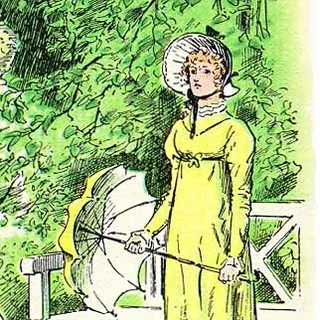 Elizabeth Bennet (Pride and Prejudice) — refuses Mr Collins despite her mother's pressure and the security the match would bring, then declines Darcy's first proposal after judging him by her own experience. Her readiness to reconsider later makes her independence thoughtful rather than simply oppositional.
Nonfictional:
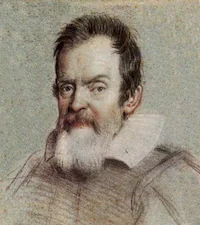 Galileo Galilei — published telescopic observations, including evidence of moons circling Jupiter, that challenged inherited accounts of the heavens; he also argued for Copernican astronomy despite Church restrictions. His career shows the pull of following evidence and intellectual judgement beyond established authority.
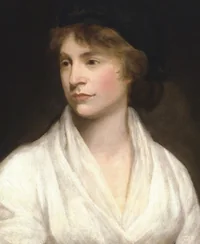 Mary Wollstonecraft — argued in A Vindication of the Rights of Woman (1792) that women deserve rational education and standing as independent thinkers, rejecting conventions that limit female learning to pleasing men. Her pamphlet makes the case for the freedom to develop one's own ideas and abilities.
Lower Self-Direction
Fictional:
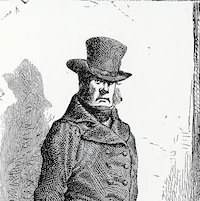 Inspector Javert (Les Misérables) — treats the law and official duty as firm guides, pursuing Valjean even when the story presents facts that unsettle his understanding of justice. His reliance on established rules contrasts with Self-Direction's emphasis on interpreting circumstances and reaching one's own conclusions.
 Percy Weasley (Harry Potter, particularly early in the series) — takes pride in official roles and pursues a conventional Ministry career, seeking distinction through prefect and Head Boy appointments. Especially early in the series, institutional approval and advancement guide him more strongly than independent judgement.
Nonfictional:
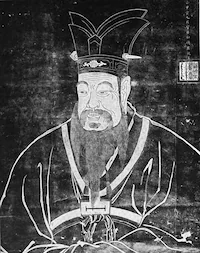 Confucius — foregrounds ritual propriety, filial respect and conduct within social relationships as guides for action. Those teachings emphasise inherited duties over individual autonomy, although Confucius was himself an original thinker whose ideas reshaped the tradition he taught.


