The 479 label identifies the unordered Enneagram family formed by Types 4, 7 and 9, not a specific ordered result. The Gentle Spirit family combines these three types: the Individualist from the Heart centre, the Enthusiast from the Head centre and the Peacemaker from the Gut centre. Within the Tritype framework, these three types form a broader personality archetype characterised by emotional sensitivity, imagination, idealism, receptivity and a strong preference for preserving inner freedom without unnecessary conflict. Four contributes individuality and concern with authenticity, Seven introduces curiosity and the attraction of possibility, while Nine adds an accommodating, peace-seeking quality that often softens the intensity of the other two types.
The Gentle Spirit can appear in six possible stacking orders: 479, 497, 749, 794, 947 and 974. Each contains the same underlying three types, but the ordering indicates which type leads the overall pattern and which of the remaining two is given greater secondary emphasis. This distinction can create noticeably different presentations within the same archetype family. A Four-led 479 may appear reflective, emotionally nuanced and quietly imaginative, while a Seven-led 749 may seem more outwardly curious, playful and future-oriented. A Nine-led 947 may present as calm, receptive and easygoing before its considerable individuality becomes apparent. What connects them is the deeper combination of Four's concern with authenticity, Seven's concern with possibility and Nine's concern with inner peace.
Across its different forms, the Gentle Spirit tends to seek a life that feels personally meaningful without becoming unnecessarily harsh, restrictive or conflict-driven. There is often a strong attraction to beauty, imagination, possibility and emotionally resonant experience, combined with a wish to preserve enough internal and external space for the personality to develop naturally. The archetype may resist both crude conformity and aggressive self-assertion, preferring to protect individuality through distance, flexibility, creativity or quiet non-participation rather than continual confrontation.
Looking for a particular stacking order?
479 — Four-led · 497 — Four-led · 749 — Seven-led · 794 — Seven-led · 947 — Nine-led · 974 — Nine-led
The Gentle Spirit at a Glance
| Feature | Description |
|---|---|
| Archetype | The Gentle Spirit |
| Family code | 4 · 7 · 9 |
| Possible orders | 6 |
| Centres | Heart (4) · Head (7) · Gut (9) |
| All six orders | 479 · 497 · 749 · 794 · 947 · 974 |
| Theoretical Dynamics | Frustration overlap (4,7) · Positive Outlook overlap (7,9) · Withdrawn overlap (4,9) |
| Core Tendency | Authentic individuality combined with possibility-seeking and a preference for psychological harmony |
| Central Tension | Longing for an ideal life while avoiding the conflict, pressure or limitation involved in pursuing it |
| Characteristic Strength | Imaginative, compassionate and flexible self-expression |
| Potential Blind Spot | Avoidance, indecision or retreat into possibility rather than sustained action |
How Common Is the Gentle Spirit Tritype?
There are currently no large, representative population datasets that allow the prevalence of the Gentle Spirit Tritype or its six individual stacking orders to be estimated reliably. This is an important limitation because discussions of Enneagram and Tritype combinations frequently include confident claims about which patterns are common, unusual or exceptionally rare, yet those claims generally do not rest upon population-level evidence. Most available impressions come from self-selected test takers, Enneagram communities, practitioner observations or relatively small samples whose members are already interested in personality frameworks.
The Gentle Spirit may appear relatively visible in personality communities because the combination of introspection, imagination and openness to alternative identities can make personality frameworks themselves appealing. That possibility, however, creates precisely the kind of sampling problem that makes population estimates unreliable. A Tritype can appear common within an online personality forum while remaining uncommon in the wider population, or appear rare simply because people with that pattern are less likely to participate in the relevant communities. Neither observation allows a reliable demographic conclusion.
Some descriptions portray 479 as an especially gentle, imaginative or idealistic combination, but these should be understood as theoretical descriptions rather than statistical facts. There is no sound basis for claiming that the Gentle Spirit represents a particular percentage of the population or that one of its six stacking orders occurs in one person out of a specific number.
| Question | Current Position |
|---|---|
| Reliable population estimate? | None currently available |
| Representative prevalence dataset? | No |
| Six recognised stacking orders? | Yes |
| Confidence in exact frequency claims? | Low |
The most responsible approach is therefore to examine the theoretical structure and descriptive patterns associated with 4–7–9 while avoiding false numerical precision about how frequent the archetype may be.
What Does 479 Mean?
Tritype theory proposes that an individual relies on one preferred Enneagram strategy from each of three traditional centres: Heart, Head and Gut. For the Gentle Spirit, these are Type 4 from the Heart centre, Type 7 from the Head centre and Type 9 from the Gut centre. The combination is not intended to represent three unrelated personality descriptions placed beside one another. Its interest lies in how the strategies interact, reinforce one another and occasionally pull in different directions.
| Component | Centre | Broad concern | Contribution to the Gentle Spirit |
|---|---|---|---|
| 4 — Individualist | Heart | Identity, authenticity and meaning | Emotional depth, individuality, imagination and personal significance |
| 7 — Enthusiast | Head | Possibility, freedom and stimulation | Curiosity, optimism, flexibility and attraction to alternatives |
| 9 — Peacemaker | Gut | Harmony, stability and connection | Receptivity, calmness, accommodation and resistance to unnecessary conflict |
Four introduces the concern that life should feel authentic and emotionally meaningful. Seven contributes the sense that alternatives are always possible and that experience should remain sufficiently open to exploration. Nine adds the desire for continuity, internal ease and freedom from excessive interpersonal pressure. Together, these tendencies can produce someone who wants to live in a way that feels true, open and peaceful, but who may sometimes struggle when obtaining those things requires confrontation, sustained discipline or the acceptance of unpleasant realities.
One simple way of expressing the interaction is through three questions.
- Four asks: Does this feel genuinely like me?
- Seven asks: What else could be possible?
- Nine asks: Can this remain peaceful and manageable?
Different Gentle Spirit stackings give different priority to these questions, but all three remain part of the broader archetype.
The Gentle Spirit Personality
The defining feature of the Gentle Spirit is the combination of individuality with possibility and receptivity. Four gives the personality a concern with authenticity and emotional meaning, Seven keeps attention open to alternatives and future possibilities, while Nine reduces the pressure to force those possibilities aggressively into existence. The resulting personality can be highly imaginative without necessarily being domineering, strongly individualistic without needing to advertise that individuality constantly, and idealistic without always wanting to fight over the ideal.
The Four component gives the Gentle Spirit much of its emotional sensitivity and interest in identity. There may be a strong awareness of whether an experience feels personally meaningful, aesthetically satisfying or psychologically genuine. Generic roles can feel constricting, particularly when they seem to demand that complicated feelings or unusual interests be flattened into something more socially conventional. The Gentle Spirit may therefore cultivate a distinctive internal world, personal style, creative interest or philosophical outlook that gives shape to experiences which would otherwise feel vague or impersonal.
Seven prevents this inwardness from becoming entirely static. Even when the person is reflective, imagination tends to remain active. There may be continual speculation about what life could become, what other environments might feel like, what projects might be attempted or what different versions of the self could emerge under different circumstances. This can make the Gentle Spirit highly inventive because emotional nuance is joined to mental flexibility. An unsatisfactory reality does not necessarily appear final; another route, interpretation or possibility can usually be imagined.
An imagined possibility becomes more meaningful when it is given practical form.
Nine modifies both tendencies in an important way. Four and Seven can each become dissatisfied with the present for different reasons, but Nine introduces a strong reluctance to make every dissatisfaction into a battle. The Gentle Spirit may therefore live with tension for a considerable period while privately imagining alternatives. Rather than immediately confronting another person or overturning the situation, the individual may withdraw, adapt, soften the issue or wait until a less disruptive route becomes available.
This does not necessarily imply weakness or lack of conviction. A Gentle Spirit can hold surprisingly firm internal preferences while appearing outwardly flexible. The difference is often in the method of resistance. Rather than openly declaring that a demand is unacceptable, the person may disengage from it, postpone compliance, quietly move in another direction or create enough psychological distance that the demand loses its force. This can make the archetype more stubborn than its gentle presentation initially suggests.
An important internal tension arises from the combination of idealism and accommodation. Four and Seven can both maintain vivid images of a better emotional or experiential reality. Four imagines a life that feels more personally meaningful, while Seven imagines one that is more expansive and interesting. Nine, however, can make the process of moving towards that life slower because action may threaten stability, provoke conflict or demand sustained discomfort. The Gentle Spirit may therefore know quite clearly what would feel better while remaining hesitant about disrupting the present arrangement.
This can create a distinctive form of procrastination. The problem is not always lack of ideas. In fact, there may be too many ideas. Nor is the problem necessarily lack of desire. The person can care deeply about creating a different future. The difficulty is converting emotionally attractive possibilities into concrete, sustained action when that action involves narrowing options, tolerating frustration or risking disapproval.
At their best, Gentle Spirits can combine considerable emotional insight with openness and compassion. Four notices psychological nuance, Seven prevents the perspective from becoming too narrow and Nine makes it easier to understand positions other than one's own. The result can be someone who is unusually receptive to complexity and able to imagine several explanations for the same behaviour without immediately forcing experience into a rigid judgement.
This receptivity can support creativity as well. The Gentle Spirit may have an ability to combine disparate impressions, memories, ideas and possibilities into something original. Unlike a more aggressively competitive creative style, the process may feel exploratory rather than conquest-oriented. The person can follow an idea because it is interesting, beautiful or personally resonant rather than because it promises status or dominance.
Relationships with the external world can nevertheless become difficult when adaptation is overused. Nine can encourage the individual to tolerate conditions that Four finds emotionally unsatisfying and Seven finds restrictive. Instead of changing the situation directly, the personality may retreat into imagination, entertainment, fantasy, new interests or private plans for a different future. This can temporarily preserve inner freedom while leaving the actual source of dissatisfaction untouched.
The archetype's greatest developmental challenge is therefore often less about discovering what it wants and more about acting decisively enough to give those wants a real form. A Gentle Spirit can imagine numerous possible lives, recognise subtle emotional truths and understand why conflict occurs, yet still need to decide which possibility deserves commitment. Growth requires accepting that a real life is necessarily narrower than an imagined one because choosing one direction means allowing others to remain unrealised.
How the Dominant Type Changes the Presentation
The Gentle Spirit should not be imagined as one uniformly quiet, dreamy or conflict-avoidant personality. Four-led Gentle Spirits — 479 and 497 — place relatively greater emphasis on identity, emotional meaning and authenticity. Their Seven and Nine influences make the Four core more imaginative, flexible and peace-seeking, but the central question still concerns whether life feels genuinely aligned with the self. These variants may appear introspective, creative and somewhat elusive, especially when their emotional complexity is not obvious to people who encounter only their gentler exterior.
Seven-led Gentle Spirits — 749 and 794 — are more likely to begin with possibility, curiosity and the desire to preserve freedom. Their Four influence gives the Seven pattern greater emotional and aesthetic depth, while Nine softens its assertiveness and can make the personality less aggressively acquisitive than some other Seven combinations. These variants may appear playful, imaginative and easygoing while still maintaining a pronounced dislike of environments that feel confining or emotionally flat.
Nine-led Gentle Spirits — 947 and 974 — place greater emphasis on internal harmony, receptivity and avoiding unnecessary disturbance. Their individuality may initially be less visible because they are less likely to insist upon it through open confrontation. Four and Seven nevertheless create a rich inner life beneath the calmer presentation. These variants can appear accommodating while privately holding highly distinctive interests, ideals and visions of how life could be.
Inner Dynamics in Enneagram Theory
The internal structure of the Gentle Spirit becomes clearer when Types 4, 7 and 9 are considered through several of the broader groupings used within Enneagram theory. These classifications belong to the Enneagram's theoretical framework rather than representing independently demonstrated psychological mechanisms, but they provide useful language for understanding why the combination is often described as imaginative, idealistic, gentle and somewhat resistant to harsh limitation.
The Frustration Overlap: Types 4 and 7
Types 4 and 7 are commonly placed within the Enneagram's Frustration or Idealist object-relations grouping. Both are theoretically sensitive to the difference between present reality and an internal sense of how experience could or should be, although the content of the ideal differs. Four tends to orient towards emotional depth, authenticity and meaningful identity, whereas Seven focuses more upon possibility, freedom and experiences that appear more stimulating or satisfying than the present one.
Together, these tendencies can give the Gentle Spirit a strong imagination and an equally strong awareness of what is missing. A situation may be objectively acceptable and still feel disappointing if it lacks personal resonance or if another possibility appears more vivid. The individual may therefore have difficulty embracing a purely pragmatic argument that something should be accepted because it is "good enough." Four asks whether it feels meaningful, while Seven wonders whether something more satisfying might still be available.
This interaction can be highly creative because dissatisfaction is not merely negative. Four supplies emotional material, Seven generates alternatives and the personality begins imagining what could exist instead. A Gentle Spirit may therefore be drawn to creative work, unconventional lifestyles, imaginative hobbies or future possibilities that provide a sense of escape from the ordinary.
The corresponding risk is that imagined life becomes more appealing than lived life. Reality inevitably contains compromise, repetition and imperfect outcomes, while imagination is free to preserve exactly the qualities the person values. If the comparison becomes too severe, ordinary experience can appear permanently deficient. Growth requires allowing the real world to remain imperfect without assuming that imperfection means one has chosen the wrong life.
The Positive Outlook Overlap: Types 7 and 9
Types 7 and 9 are commonly placed within the Enneagram's Positive Outlook harmonic grouping. Both are theoretically inclined to move attention away from experiences that feel excessively negative, though they do so differently. Seven tends to seek positive alternatives, mental reframing and future possibilities, while Nine often reduces the emotional intensity of problems and attempts to maintain continuity or inner calm.
Their interaction contributes much of the Gentle Spirit's lighter, accommodating quality. The person may have a natural ability to see several possibilities within a difficult situation and may resist defining either themselves or others solely by what has gone wrong. This can create generosity, patience and resilience. A setback need not become the entire story because Seven can imagine another route and Nine can reduce the impulse to escalate the problem unnecessarily.
The risk is avoidance through optimism. A difficult situation can be reframed repeatedly without being changed. Seven may say that another opportunity will appear, while Nine says that the current situation is manageable enough for now. Together, those strategies can postpone necessary decisions for a remarkably long time.
This is particularly important when the Four component has already identified something emotionally significant. Part of the personality may know that a relationship, career or environment is deeply unsatisfying, while Seven and Nine work together to keep the discomfort tolerable. The result can be an extended period of adaptation in which the person neither fully accepts the situation nor acts decisively to change it.
The Withdrawn Overlap: Types 4 and 9
Types 4 and 9 are commonly placed within the Enneagram's Withdrawn Hornevian grouping. Both tend, in different ways, to move towards an inner world rather than automatically pushing themselves into the external environment. Four withdraws towards identity, imagination, emotional significance and self-reflection, while Nine withdraws towards internal stability, comfort and the reduction of external pressure.
This overlap gives the Gentle Spirit much of its contemplative and receptive quality. The person may spend substantial time inside an internal landscape of thoughts, images, memories, fantasies and possible futures. Solitude need not feel empty because the inner world can be highly populated. Music, books, films, artistic interests, imagined conversations or long periods of reflective thought may become important ways of processing experience.
The same tendency can reduce outward momentum. When external reality becomes frustrating, withdrawal can feel easier than confrontation. Four may retreat because the surrounding environment feels emotionally crude or invalidating, while Nine retreats because conflict itself feels exhausting. Seven can then provide an endless stream of interesting material inside that retreat, making disengagement surprisingly comfortable.
This creates a crucial developmental issue for the Gentle Spirit. The inner world can be genuinely valuable without becoming a substitute for participation. Reflection, fantasy and possibility are most useful when they eventually enrich lived experience rather than replacing it. The person may need to practise moving from imagination into action before perfect certainty, confidence or motivation has arrived.
Strengths and Potential Blind Spots
Likely Strengths
One of the strongest qualities associated with the Gentle Spirit is imaginative empathy. Four contributes sensitivity to emotional difference, Seven opens the mind to alternative interpretations and Nine reduces the pressure to judge quickly. This combination can make the person unusually capable of understanding that people behave from complicated mixtures of history, fear, desire and circumstance. They may naturally resist simplistic categories and prefer interpretations that leave room for contradiction.
- Another potential strength is creativity. The archetype contains substantial imaginative material because Four supplies symbolism and emotional meaning, Seven supplies ideational breadth and Nine provides enough psychological space for ideas to combine without being forced immediately into a rigid structure. The person may therefore be able to create connections between things that initially seem unrelated, particularly in art, writing, design, storytelling or other fields where subtle association matters.
- Gentle Spirits may also possess considerable flexibility. Seven keeps alternatives visible, while Nine makes it easier to adapt to changing circumstances without experiencing every adjustment as a threat. Four ensures that adaptation does not necessarily erase individuality. At its healthiest, this combination allows the person to remain recognisably themselves while still accommodating the complexity of other people and changing situations.
- Another strength is the ability to soften emotionally difficult environments. The Gentle Spirit may notice tension without immediately amplifying it and can often introduce humour, perspective, imagination or emotional understanding where other people become rigid. This is not the same as avoiding every conflict. At its best, the archetype can lower unnecessary hostility enough for the real issue to become discussable.
There may also be a natural resistance to crude social conformity. Four values individuality, Seven dislikes restriction and Nine does not necessarily feel compelled to compete for conventional recognition. The Gentle Spirit may therefore follow highly personal interests or construct an unconventional life without needing to make the difference itself into a public battle. This can produce a quiet form of independence that is less dramatic than rebellion but no less real.
Potential Blind Spots
The most obvious difficulty is avoidance of difficult action. The Gentle Spirit may understand a problem thoroughly and even know what needs to change, yet remain reluctant to accept the discomfort required to make that change happen. Four can keep analysing the emotional meaning, Seven can generate additional possibilities and Nine can postpone the moment when one possibility must actually be chosen. The result can be prolonged indecision disguised as reflection.
Another risk is idealisation. Four and Seven both compare present reality with alternatives, and Nine may allow those alternatives to remain pleasantly undefined. A future relationship, career, home or creative identity can therefore become unusually attractive precisely because it has not yet been tested by ordinary reality. The person may preserve several possible futures in imagination rather than commit to one imperfect but achievable version.
Conflict avoidance can also create hidden resentment. The Gentle Spirit may prefer not to confront a problem directly, particularly when the other person is forceful or emotionally demanding. Yet Four remains sensitive to being misunderstood or overlooked. The person may therefore accommodate externally while becoming increasingly dissatisfied internally, eventually withdrawing without having communicated the seriousness of the issue.
Another difficulty is blurred priorities. Nine can make other people's needs highly visible, Seven continually introduces new interests and Four may become absorbed in whatever currently feels emotionally significant. Without deliberate structure, the person's own long-term priorities can become scattered among competing possibilities and relationships.
The precise blind spots differ according to stacking. A Four-led Gentle Spirit may become overly absorbed in longing, self-definition or imagined alternatives. A Seven-led Gentle Spirit may struggle with commitment, distraction and maintaining direction once novelty fades. A Nine-led Gentle Spirit may postpone important decisions, minimise personal dissatisfaction or adapt so successfully to other people that their own intentions lose urgency.
The shared developmental task is therefore not to become harder or more aggressive. It is to develop enough confidence in one's own priorities that gentleness no longer requires passivity and flexibility no longer requires indecision.
Relationships and Communication
Gentle Spirits are likely to value relationships that combine emotional depth, freedom and ease. A relationship may feel unsatisfying if it remains permanently superficial, yet equally difficult if closeness becomes controlling or relentlessly conflictual. The archetype often prefers connection that allows both people to retain substantial individuality while still creating a sense of emotional safety and mutual understanding.
Four contributes the desire to be genuinely known. The Gentle Spirit may want another person to understand subtle aspects of identity, experience and feeling that do not emerge easily in ordinary conversation. Seven adds playfulness and the need for the relationship to remain open to new experiences, ideas or directions. Nine contributes a wish for stability and can make companionship itself deeply satisfying, particularly when neither person constantly demands that the relationship prove its intensity through conflict.
This combination can produce warm, tolerant and emotionally imaginative relationships. The person may be highly accepting of unusual interests or complicated personalities because difference itself does not necessarily feel threatening. Indeed, the Gentle Spirit may actively appreciate people who possess distinctive inner worlds of their own.
Being accepting should leave room for a clear personal preference.
The difficulty appears when harmony is preserved at the expense of clarity. The individual may recognise that something is wrong but hesitate to introduce tension into the relationship. Small disappointments accumulate because each one seems easier to absorb than to discuss. Four can then develop a narrative of being unseen or emotionally disconnected, even though the other person may not realise there is a serious problem.
Communication styles vary substantially by stacking. Four-led Gentle Spirits may place greater emphasis on emotional accuracy and may need time to formulate what they genuinely feel. Seven-led Gentle Spirits may communicate with more spontaneity, humour and rapid movement between topics. Nine-led Gentle Spirits may speak more gently and indirectly, particularly when disagreement feels likely to produce unnecessary escalation.
Across the family, one useful developmental principle is that clear disagreement is not the opposite of harmony. Avoiding a difficult conversation can preserve surface peace while gradually damaging the relationship underneath. The ability to say "this matters to me" before frustration has become overwhelming allows the Gentle Spirit to protect both authenticity and connection rather than sacrificing one for the other.
Work and Career Preferences
The Gentle Spirit archetype is likely to appreciate work that offers some combination of meaning, creativity, flexibility, autonomy and a relatively humane interpersonal environment. Excessively competitive workplaces may feel draining when aggression and status competition dominate the actual substance of the work. Likewise, rigidly repetitive roles can become frustrating if there is little opportunity for imagination or personal interpretation.
- Four-led Gentle Spirits may be particularly drawn towards fields where meaning and expression matter. Writing, visual art, design, psychology, counselling-related fields, filmmaking, music, photography, cultural work and other creative or interpretive disciplines can provide opportunities to translate internal experience into something tangible. The person may be especially motivated when the work feels personally resonant rather than merely technically competent.
- Seven-led Gentle Spirits may prefer work with greater variety and freedom. Media, communication, travel-related roles, teaching, creative technology, marketing, design, product development or flexible project-based work may appeal because they allow movement between ideas and experiences. Compared with more assertive Seven combinations, however, the Gentle Spirit may prefer collaborative or relatively low-conflict environments rather than highly competitive ones.
- Nine-led Gentle Spirits may be drawn towards work that provides stability while still leaving room for independent interests. They can often function well in supportive, creative or service-oriented roles where interpersonal sensitivity matters. Their challenge may be ensuring that comfort does not become stagnation. A tolerable job can continue for years even when it no longer reflects the person's deeper interests because changing direction would temporarily disturb stability.
Creative work may appeal across all three dominant styles because the archetype naturally combines emotional depth, imagination and receptivity. Yet the working process can become difficult if too many possibilities remain open. Completing a novel, building a business or mastering a craft eventually requires choosing one direction repeatedly while ignoring many attractive alternatives. The Gentle Spirit may therefore benefit especially from external structure that supports commitment without feeling oppressive.
The overall working environment may matter more than the occupational title. A relatively modest role with flexibility, meaningful colleagues and room for independent thought may be more satisfying than a prestigious position dominated by conflict, micromanagement or continual self-promotion. These are personality preferences rather than career prescriptions, however. Ability, training, opportunity, financial needs and personal values remain more important than personality classification.
Stress and Growth
Under prolonged stress, the Gentle Spirit's strengths can become exaggerated in ways that reduce effectiveness. Healthy imagination can become escapism, flexibility can become indecision and peacefulness can become avoidance. Four may focus increasingly on what is missing, Seven may generate increasingly elaborate alternatives and Nine may reduce the urgency required to act upon any of them. The individual can therefore become psychologically active while remaining behaviourally stuck.
A common stress cycle might involve dissatisfaction with present circumstances, retreat into imagined alternatives and temporary emotional relief, followed by the return of the original problem. Because the alternative future feels vivid, the person may experience a sense of movement even when little has changed externally. This can make the pattern especially persistent because imagination provides enough relief to reduce the immediate pressure for action.
Four-led Gentle Spirits may respond to stress by becoming more absorbed in feeling misunderstood, disconnected or unable to create the life that feels authentic. Seven-led variants may become more scattered, continually developing new plans without committing to one. Nine-led variants may become increasingly passive, telling themselves that the situation is not quite bad enough to justify disruption while privately becoming more disengaged.
Growth does not require the Gentle Spirit to become aggressively confrontational or relentlessly disciplined. The healthier direction is to build a stronger bridge between imagination and action. A possibility becomes meaningful when some part of it is translated into behaviour. A preference becomes real when it is communicated. An identity becomes more stable when it survives contact with the compromises and imperfections of ordinary life.
This may involve making decisions before every alternative has been exhausted, tolerating temporary interpersonal discomfort, developing routines that protect creative goals and distinguishing genuine peace from the absence of immediate conflict. The individual may also benefit from recognising that saying no can sometimes preserve a relationship by preventing hidden resentment from accumulating.
Small commitments can connect a rich inner world with daily life.
The strongest Gentle Spirit is therefore not someone who never disturbs the peace. It is someone who can remain kind without becoming passive, imaginative without becoming evasive and flexible without surrendering direction. When those capacities develop, the archetype's receptivity becomes a genuine strength rather than a reason to remain perpetually undecided.
The Six Gentle Spirit Stackings
The six Gentle Spirit codes contain the same three Enneagram types, but their order is intended to describe which strategy receives priority. The first number represents the dominant or core type, the second represents the more prominent of the remaining two centre strategies and the third occupies the tertiary position. These differences are best understood as changes in emphasis rather than six entirely separate personalities.
| Stacking | Lead Type | Secondary Emphasis | Typical Presentation |
|---|---|---|---|
| 479 | Four | Seven | Identity-led, imaginative, idealistic and possibility-seeking |
| 497 | Four | Nine | Identity-led, gentle, reflective and harmony-seeking |
| 749 | Seven | Four | Possibility-led, creative, expressive and individualistic |
| 794 | Seven | Nine | Possibility-led, easygoing, adaptable and optimistic |
| 947 | Nine | Four | Harmony-led, sensitive, introspective and quietly individualistic |
| 974 | Nine | Seven | Harmony-led, optimistic, flexible and possibility-oriented |
The Four-Led Gentle Spirits: 479 and 497
For both 479 and 497, Type 4 provides the core orientation. Identity, authenticity and emotional meaning therefore tend to organise the personality most strongly. These variants may be particularly sensitive to whether life reflects something genuine rather than simply functioning smoothly on the surface. Their Seven and Nine influences make the Four core less severe and more receptive than some other Four combinations, but the fundamental concern remains the same: the individual wants to feel that their life, relationships and choices genuinely belong to them.
The distinction between the two Four-led variants lies in whether Seven's possibility-seeking or Nine's harmony-seeking tendency follows the Four core. The 479 is theoretically more inclined to respond to dissatisfaction by imagining alternatives and looking towards what could come next, whereas the 497 may first seek emotional and interpersonal equilibrium. Both can be imaginative and gentle, but the sequence changes whether movement or accommodation tends to become the secondary response.
479 — Four → Seven → Nine
In 479, Type 7 follows the dominant Four. The concern with authenticity is therefore closely connected to imagination, future possibility and experimentation. The person may not simply ask who they are but who they could become under different circumstances. Identity can feel dynamic rather than fixed, with new interests, relationships, environments and experiences continually revealing previously unexplored parts of the self.
This can create one of the most imaginative versions of the Gentle Spirit. Emotional experience is not only felt but transformed into possibilities. A disappointing period may inspire a new creative project, a different lifestyle, a journey, a new field of interest or an imagined future that restores a sense of movement. Seven helps prevent the Four core from becoming completely absorbed in what is missing because there is usually another direction available in the mind.
Nine occupies the tertiary position and softens how forcefully those possibilities are pursued. The 479 may have vivid ideas about change while remaining reluctant to create unnecessary conflict in order to achieve them. This can produce a substantial gap between inner aspiration and outward action. The person may know what they would prefer yet continue adapting to the present until a sufficiently gentle route towards change becomes available.
Compared with 497, the 479 is theoretically more likely to respond to emotional dissatisfaction by imagining a different future before attempting to restore peace within the existing situation. The broad sequence can therefore be summarised as authenticity first, possibility second, harmony third.
497 — Four → Nine → Seven
In 497, Type 9 follows the dominant Four. The concern with identity and emotional authenticity is therefore connected more directly to inner harmony, receptivity and the wish to avoid unnecessary disturbance. The person may experience emotions deeply but express them in a softer, less confrontational form. Rather than insisting that others immediately recognise their perspective, they may withdraw, reflect or communicate indirectly until they feel sufficiently safe to reveal what is happening internally.
This can produce a particularly gentle and introspective version of the archetype. Four supplies strong personal feelings and aesthetic or psychological sensitivity, while Nine reduces the impulse to impose those feelings upon the environment. The individual may therefore seem calm or accommodating while privately maintaining a highly detailed inner world of preferences, memories and imagined possibilities.
Seven remains important in the tertiary position and contributes curiosity, humour and openness to alternatives. Once the person feels sufficiently grounded, this influence can bring considerable lightness and flexibility. The 497 is not necessarily solemn; rather, the imaginative Seven qualities tend to emerge through a personality whose first secondary instinct is to preserve harmony.
Compared with 479, the 497 is theoretically more likely to accommodate or withdraw before generating an active alternative. Its broad sequence can therefore be expressed as authenticity first, harmony second, possibility third.
The Seven-Led Gentle Spirits: 749 and 794
Both 749 and 794 begin with Type 7, making possibility, exploration and freedom the primary organising themes. These variants may appear more outwardly optimistic and energetic than the Four-led forms, although Nine ensures that their energy often remains softer and less forceful than in more assertive Seven combinations. Four contributes individuality and emotional nuance, preventing the Seven pattern from becoming purely stimulation-seeking.
The distinction between 749 and 794 lies in whether Four's concern with meaning or Nine's concern with harmony follows the Seven core. The 749 is theoretically more likely to filter new possibilities through personal identity and creative significance, while the 794 may prioritise ease, adaptability and maintaining a comfortable emotional atmosphere.
749 — Seven → Four → Nine
In 749, Type 4 follows the dominant Seven. The drive towards possibility is therefore coloured strongly by individuality, emotional meaning and the desire for experiences that feel personally distinctive. Novelty may be attractive not merely because it is exciting but because it allows the person to discover or express aspects of identity that ordinary routine does not reveal.
This can create a highly creative and exploratory version of the Gentle Spirit. The 749 may move easily between artistic, intellectual or lifestyle interests and can possess a strong attraction to unusual people, places or ideas. Four adds depth to the Seven core by encouraging the person to ask not only whether an experience is enjoyable but whether it feels meaningful.
Nine occupies the tertiary position and contributes receptivity and an instinct to avoid unnecessary conflict. This softens the otherwise restless Seven–Four combination and can make the person appear easygoing despite a highly active inner life. The 749 may therefore pursue individuality indirectly, simply drifting towards people and environments that permit it rather than openly challenging those that do not.
Compared with 794, the 749 is theoretically more likely to prioritise meaningful or distinctive experience over comfort when choosing among possibilities. Its broad sequence is possibility first, meaning second, harmony third.
794 — Seven → Nine → Four
In 794, Type 9 follows the dominant Seven. Possibility and freedom remain central, but the secondary Nine influence makes the person more inclined to seek options that preserve ease, flexibility and positive interpersonal conditions. Rather than charging towards stimulation at any cost, the individual may prefer experiences that feel expansive without becoming excessively conflictual or demanding.
This can produce a particularly adaptable version of the Gentle Spirit. The 794 may move comfortably between different groups, interests or environments because both Seven and Nine resist becoming trapped in a single narrow perspective. There can be a strong preference for keeping doors open and allowing circumstances to unfold rather than forcing premature decisions.
The risk is diffusion. Seven generates many possibilities while Nine reduces the urgency to choose among them. Projects can remain pleasantly open-ended because committing fully to one direction would eliminate alternatives and create new obligations. Four in the tertiary position ensures that individuality and emotional meaning still matter, but those concerns may not become visible until the person has already established an atmosphere of freedom and ease.
Compared with 749, the 794 is theoretically more likely to ask whether an option preserves flexibility and harmony before considering how strongly it expresses personal identity. The broad sequence becomes possibility first, harmony second, meaning third.
The Nine-Led Gentle Spirits: 947 and 974
Both 947 and 974 begin with Type 9. Inner harmony, receptivity and resistance to unnecessary pressure therefore provide the primary orientation. These variants may initially appear the calmest members of the Gentle Spirit family because their individuality and novelty-seeking tendencies operate behind a Nine-led presentation. They can nevertheless possess extremely rich inner lives and may surprise others with the strength of their private preferences.
The distinction between the two variants lies in whether Four or Seven occupies the secondary position. The 947 is theoretically more inward, identity-conscious and emotionally nuanced, whereas the 974 is somewhat lighter, more exploratory and possibility-focused.
947 — Nine → Four → Seven
In 947, Type 4 follows the dominant Nine. The desire for harmony is therefore closely connected with emotional sensitivity, individuality and personal meaning. The individual may prefer calm environments partly because excessive external pressure interferes with access to a subtle inner world. Solitude, quiet routines and psychologically safe relationships can become important because they allow personal feelings and interests to develop without continual interruption.
This can create a highly receptive and introspective presentation. Nine makes the person reluctant to impose themselves aggressively, while Four gives substantial significance to internal experience. The individual may therefore have strong tastes, values and emotional reactions that remain invisible until sufficient trust has been established. Their apparent adaptability should not be confused with a lack of identity.
Seven occupies the tertiary position and contributes imagination, curiosity and the ability to move towards brighter alternatives when the internal atmosphere becomes too heavy. This prevents the Nine–Four combination from becoming entirely inward or melancholy. There can be considerable playfulness once the person feels comfortable.
Compared with 974, the 947 is theoretically more likely to preserve harmony in order to protect an emotionally meaningful inner life, whereas the 974 is more likely to preserve harmony in order to maintain freedom and possibility. The broad sequence is harmony first, authenticity second, possibility third.
974 — Nine → Seven → Four
In 974, Type 7 follows the dominant Nine. The desire for peace and stability is therefore linked more closely with possibility, optimism and mental flexibility. The individual may be particularly resistant to environments that feel oppressive, not necessarily because they intend to confront them directly but because such environments reduce the sense that other possibilities remain available.
This can produce an especially easygoing and adaptable version of the Gentle Spirit. Nine lowers the urgency to impose a direction, while Seven keeps attention open to enjoyable alternatives. The person may therefore move around obstacles rather than challenge them, preferring to preserve freedom through flexibility. When one route becomes unpleasant, another can often be imagined.
Four remains important in the tertiary position and contributes individuality, aesthetic sensitivity and emotional depth. These qualities may emerge less immediately than in 947 because the Nine–Seven combination initially creates a lighter presentation. Beneath that ease, however, the person may still care strongly about maintaining a life that feels personally distinctive.
Compared with 947, the 974 is theoretically more likely to respond to disruption by looking towards another possibility before examining the deeper emotional meaning of the problem. The broad sequence becomes harmony first, possibility second, authenticity third.
Wings and Other Secondary Influences
The dominant type of each Gentle Spirit stacking can be modified further by wings and other elements of Enneagram theory. Because the family contains three possible dominant types, there is no single wing distinction that applies to every Gentle Spirit. A Four-led Gentle Spirit may show stronger influence from Type 3 or Type 5, a Seven-led Gentle Spirit may show stronger influence from Type 6 or Type 8, and a Nine-led Gentle Spirit may show stronger influence from Type 8 or Type 1.
These modifiers can change the tone of the personality without altering the underlying 4–7–9 combination. A Four-led Gentle Spirit with stronger Three influence may appear more outwardly expressive, ambitious or socially adaptive, while stronger Five influence could make the personality more private and intellectually introspective. A Seven-led Gentle Spirit with stronger Six influence may show greater caution, loyalty or concern with security, whereas stronger Eight influence could make the same basic archetype more assertive and willing to challenge obstacles directly.
A Nine-led Gentle Spirit with stronger Eight influence may display firmer boundaries and greater visible independence than the gentle stereotype suggests. Stronger One influence, by contrast, could add conscientiousness, restraint and a greater concern with doing things correctly. Wings should therefore be treated as secondary modifiers rather than separate Tritype archetypes. They add nuance after the underlying distinction between the Gentle Spirit family and its six stacking orders has already been established.
Related Tritype Archetypes
Comparing the Gentle Spirit with neighbouring Tritype families can clarify which parts of the personality pattern come from each component. The 478 Messenger retains Types 4 and 7 but replaces Nine with Type 8. Individuality, imagination and possibility therefore remain, but the Gut strategy shifts from Nine's harmony-seeking orientation towards Eight's more forceful concern with autonomy and boundaries. Compared with the Gentle Spirit, the Messenger is consequently more likely to confront limitations directly rather than adapting around them.
The 459 Contemplative retains Types 4 and 9 but replaces Seven with Type 5. Introspection, sensitivity and withdrawal remain important, but the Head strategy becomes more analytical, detached and knowledge-oriented. The Contemplative is therefore theoretically more likely to move towards understanding and mental distance, while the Gentle Spirit introduces more optimism, experimentation and attraction to future possibility.
The 379 Ambassador retains Types 7 and 9 but replaces Four with Type 3. Flexibility, optimism and relational ease remain, but the Heart strategy becomes more achievement-oriented and externally adaptive. Compared with the Gentle Spirit, the resulting pattern may place greater emphasis on effectiveness, social presentation and successful engagement with the surrounding world, while 479 retains more concern with personal authenticity and emotional individuality.
The 469 Mediator retains Types 4 and 9 but replaces Seven with Type 6. Emotional sensitivity, individuality and accommodation remain, but Seven's possibility-seeking Head strategy is replaced by Six's greater concern with security, uncertainty and reliability. The Mediator may therefore appear more vigilant or cautious, while the Gentle Spirit generally introduces more imaginative optimism and openness to alternatives.
These comparisons are valuable because they reveal which component changes and what theoretical difference that change is expected to make. They help separate the traits arising from the full 4–7–9 pattern from characteristics that may actually belong more strongly to one particular component.
The Gentle Spirit and the Big Five
The Enneagram and Big Five describe personality through fundamentally different models, so there is no direct conversion between the Gentle Spirit Tritype and a particular Big Five profile. A person identifying with 479 or another Gentle Spirit stacking could produce many different Big Five profiles depending on temperament, upbringing, circumstances and behaviour.
Some broad descriptive similarities can nevertheless be discussed cautiously. Four's individuality and Seven's curiosity may resemble aspects of higher Openness to Experience, especially where Openness involves imagination, aesthetic sensitivity and attraction to unconventional ideas. Nine may also contribute tolerance for multiple perspectives, although this should not be confused with the psychometric trait itself.
Agreeableness could vary considerably. Nine's accommodating tendencies may resemble aspects of higher Agreeableness, particularly where the trait involves cooperation and conflict avoidance. Four's insistence upon authenticity, however, can produce strong resistance when conformity feels psychologically false. A Gentle Spirit may therefore be easygoing in many situations while remaining unexpectedly firm about issues connected to identity.
Extraversion is also difficult to predict. Seven-led variants may appear more socially energetic, while Four- and Nine-led Gentle Spirits can be substantially more introspective. Even a socially active Gentle Spirit may require significant private time because the Four–Nine withdrawn overlap creates a strong internal orientation.
The Gentle Spirit and 16-Type Systems
The Gentle Spirit can resemble several descriptions found within Jungian and MBTI-style systems, especially profiles emphasising imagination, personal meaning, openness and interpersonal sensitivity. Four-led variants may sometimes recognise aspects of INFP, INFJ or ENFP descriptions because of the emphasis on identity, emotional interpretation and imaginative possibility.
Seven-led Gentle Spirits may sometimes identify with ENFP or ENTP descriptions, especially when curiosity, spontaneity and openness to new possibilities are prominent. The Nine influence may nevertheless make these individuals less argumentative or outwardly forceful than common stereotypes associated with those types.
Nine-led Gentle Spirits may identify with a wider range of introverted or intuitive profiles, including INFP, INFJ, ISFP or occasionally INTP, depending on whether the individual expresses the pattern primarily through values, interpretation, aesthetics or private conceptual interests.
These are loose descriptive comparisons rather than conversions. Enneagram theory focuses primarily upon motivational and defensive patterns, whereas Jungian and MBTI-style systems use a different conceptual structure. Someone identifying as 947 is therefore not automatically INFP, just as an INFP should not automatically be expected to belong to the Gentle Spirit Tritype.
Treating the systems as complementary perspectives rather than interchangeable labels preserves the distinctions that make each framework useful.
The Gentle Spirit in One Sentence
The 479 Gentle Spirit Tritype combines individualistic depth, imaginative possibility and a strong preference for harmony into a personality that seeks a meaningful and expansive life without sacrificing inner peace or gentle connection with others.
Famous People and Fictional Characters Associated with 479
These examples offer illustrative comparisons with the 479 family, not confirmed personality assessments. The family includes all six orders of its three types; an example need not use the ascending 479 order. A public career or fictional story cannot establish someone's private motivations. Fictional examples refer to the works or versions named below, and are illustrations rather than role models.
Famous People Associated with 479
 Billie Eilish — Singer-songwriter. Her intimate musical expression and distinctive visual choices illustrate individuality that does not depend on a conventionally polished presentation.
 Michael Jackson — Singer and performer. His elaborate imagined worlds and expressive performances offer an artistic comparison, not a claim that a public persona reveals a complete private personality.
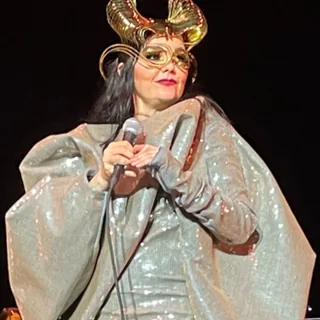 Björk — Musician. Her imaginative combinations of sound, technology and visual art illustrate a personal creative world that remains open to continual experimentation.
 Rihanna — Singer and entrepreneur. Her movement across creative fields offers a comparison with individual expression, adaptability and a willingness to develop beyond one established role.
 Robert Pattinson — Actor. His varied, often unconventional roles offer an illustration of creative exploration rather than evidence that any one character represents his private motivations.
 Kate Bush — Singer-songwriter. Her distinctive musical narratives illustrate an imaginative inner world communicated through carefully developed, individual artistic forms.
 Heath Ledger — Actor. His varied character work offers a comparison with imaginative immersion and an individual approach to craft, not an explanation of his life through the roles he performed.
 Donald Glover — Writer, actor and musician. His work across several forms illustrates creative possibility and a personal voice that resists being limited to one professional identity.
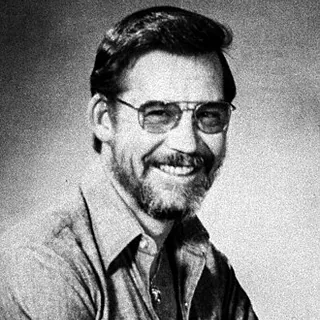 Bob Ross — Painter and television educator. His gentle demonstrations illustrate imagination made accessible through reassurance, patience and permission to explore without needing immediate perfection.
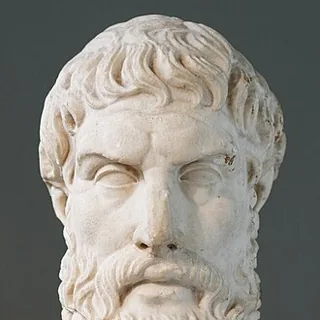 Epicurus — Philosopher. His concern with friendship and a sustainable, undisturbed life offers a historical comparison with enjoyment shaped by reflection rather than endless stimulation.
Fictional Characters Associated with 479
 Howl — Howl's Moving Castle (2004). His elaborate self-presentation and avoidance of demands illustrate imaginative freedom that becomes more grounded as he accepts attachment and responsibility.
 Mirabel Madrigal — Encanto (2021). Her search for an individual place in her family illustrates imagination, warmth and the wish to preserve connection without pretending that everything is fine.
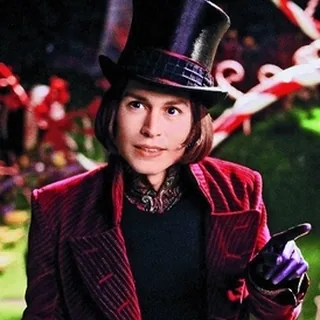 Willy Wonka — Charlie and the Chocolate Factory (2005). His fantastic creations and guarded interpersonal world illustrate imaginative independence alongside the limits of withdrawing into a personally controlled environment.
 Amélie Poulain — Amélie (2001). Her imaginative efforts to improve strangers' lives illustrate a gentle, indirect way of connecting that must eventually make room for her own vulnerability.
 Rose DeWitt Bukater — Titanic (1997). Her attraction to a more individual life illustrates the tension between prescribed belonging and the discovery of possibilities that feel personally alive.
 Ariel — The Little Mermaid (1989). Her fascination with another world illustrates longing, imagination and the wish to explore beyond an identity defined by familiar expectations.
 Phoebe Buffay — Friends. Her unconventional imagination and loyalty illustrate an individual way of participating in a group without needing to share all of its assumptions.
 Spike Spiegel — Cowboy Bebop. His easygoing surface and attachment to the past illustrate the distance between appearing untroubled and being genuinely free to engage with the present.
 Luz Noceda — The Owl House. Her fantasy-driven curiosity and wish for belonging illustrate imagination that becomes more constructive through relationships and acceptance of real consequences.
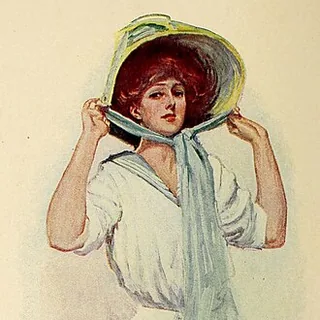 Anne Shirley — Anne of Green Gables books. Her vivid imagination and strong feelings illustrate individuality that develops alongside friendship, belonging and the ordinary demands of a shared life.
Sources and scope
The Enneagram Tritype framework is attributed to Katherine Chernick Fauvre. This independent educational guide is not affiliated with or endorsed by Fauvre. It describes a theoretical framework for reflection; it is not a validated assessment, diagnosis or population study.
.jpg)
_(contrast).jpg)
.png)

.jpg)
_02_(cropped).jpg)
.jpg)

_(cropped).jpg)


