The 379 label identifies the unordered Enneagram family formed by Types 3, 7 and 9, not a specific ordered result. The Ambassador family combines these three types: the Achiever from the Heart centre, the Enthusiast from the Head centre and the Peacemaker from the Gut centre. Within the Tritype framework, these three types form a broadly optimistic, adaptable and socially responsive archetype characterised by a desire to move successfully through the world while maintaining freedom, positive possibilities and a workable degree of harmony with other people.
Type 3 contributes ambition, adaptability and an awareness of what produces results; Type 7 contributes imagination, enthusiasm and a tendency to look for attractive alternatives; and Type 9 contributes receptivity, diplomacy and a preference for reducing unnecessary friction. Together, these tendencies can create a personality that is capable of pursuing goals without always needing to do so through confrontation.
The Ambassador can appear in six possible stacking orders: 379, 397, 739, 793, 937 and 973. Each contains the same underlying combination of Types 3, 7 and 9, but the order indicates which strategy theoretically leads the personality and which of the remaining two becomes more prominent in supporting it. A Three-led 379 may therefore organise much of life around achievement and effectiveness while using Seven's flexibility and Nine's diplomacy to maintain momentum. A Seven-led 739 may place possibility and freedom at the centre while drawing upon Three to turn opportunities into accomplishments and Nine to keep social situations manageable.
A Nine-led 973 may appear considerably calmer, using Seven's optimism and Three's adaptability in support of a personality whose deepest preference is for internal steadiness and minimal unnecessary conflict.
What unites the six forms is a recurring tendency to seek progress without excessive heaviness. Three wants things to go well, Seven wants life to remain open and interesting, and Nine wants unnecessary tension to remain manageable. The Ambassador may therefore become skilled at adjusting to different people and circumstances while preserving an underlying sense that life should continue moving towards something constructive. There is often a reluctance to remain trapped in an atmosphere of defeat, prolonged hostility or rigid limitation when another interpretation, another route or another way of bringing people together appears possible.
This does not mean the Ambassador is always cheerful, extraverted or conventionally diplomatic. The archetype contains substantial variation depending on stacking, temperament and broader personality. A Three-led Ambassador may be highly driven, a Seven-led version highly energetic and exploratory, and a Nine-led version much more understated. The common theme lies less in surface sociability than in the combination of adaptability, positive possibility and a preference for maintaining enough harmony that life can continue moving forward.
The Ambassador at a Glance
| Feature | Description |
|---|---|
| Archetype | The Ambassador |
| Family code | 3 · 7 · 9 |
| Possible orders | 6 |
| Centres | Heart (3) · Head (7) · Gut (9) |
| All six orders | 379 · 397 · 739 · 793 · 937 · 973 |
| Theoretical Dynamics | Assertive overlap (3,7) · Positive Outlook overlap (7,9) · Attachment overlap (3,9) |
| Core Tendency | Pursuing progress, opportunity and social ease through adaptability and positive engagement |
| Central Tension | Personal ambition and stimulation versus the desire to avoid excessive conflict or disruption |
| Characteristic Strength | Social adaptability combined with optimism, diplomacy and practical effectiveness |
| Potential Blind Spot | Avoidance of uncomfortable realities, over-adaptation or difficulty recognising deeper dissatisfaction |
The six stackings divide naturally into three dominant-type pairs. 379 and 397 are Three-led, meaning achievement, effectiveness and the wish to be seen as capable provide the central orientation. 739 and 793 are Seven-led, meaning possibility, freedom and the pursuit of stimulating alternatives take priority. 937 and 973 are Nine-led, meaning psychological steadiness, accommodation and the reduction of unnecessary tension become more central. The second number then changes how that dominant strategy is expressed, making the ordering important even though all six forms remain members of the same broader Ambassador family.
How Common Is the Ambassador Tritype?
There are currently no large, representative population datasets that allow the prevalence of the Ambassador Tritype or any of its six stacking orders to be estimated reliably. This limitation applies broadly across Enneagram and Tritype frequency claims. Unlike trait models such as the Big Five, which can be studied using very large samples and continuous psychometric measures, Enneagram and Tritype prevalence estimates usually depend upon self-selected test takers, online personality communities, practitioner observations or smaller convenience samples.
The Ambassador may appear intuitively plausible as a relatively common social configuration because the combination contains several qualities that are widely rewarded in ordinary life. Adaptability, optimism, social responsiveness and the ability to maintain workable relationships can all be advantageous in employment, family life and community settings. That observation, however, does not tell us how many people actually belong to the 3–7–9 family. A personality style that integrates smoothly into common social environments may simply attract less attention than more visibly unusual or conflict-oriented patterns.
It is therefore important not to confuse theoretical recognisability with demographic prevalence. One person may easily recognise the Ambassador pattern in colleagues, public figures or friends, but such impressions are vulnerable to selection effects and retrospective typing. People who communicate well, remain socially flexible and avoid dramatic interpersonal breakdowns may also be difficult to classify from surface behaviour alone because the very qualities associated with the archetype can help them blend effectively into different settings.
| Question | Current Position |
|---|---|
| Reliable population estimate? | None currently available |
| Representative prevalence dataset? | No |
| Six recognised stacking orders? | Yes |
| Confidence in exact frequency claims? | Low |
The most responsible approach is therefore to examine the internal logic and descriptive implications of the Ambassador archetype without attaching unsupported percentages to its frequency. The theoretical model can still be explored in detail while remaining clear about the absence of strong population-level evidence.
What Does 379 Mean?
Tritype theory proposes that an individual relies upon one preferred Enneagram strategy from each of the three traditional centres: Heart, Head and Gut. In the Ambassador family, Type 3 represents the Heart centre, Type 7 represents the Head centre and Type 9 represents the Gut centre. Each contributes a different psychological emphasis, and the characteristic Ambassador pattern emerges from the interaction among these tendencies rather than from simply placing three sets of traits beside one another.
| Component | Centre | Broad concern | Contribution to the Ambassador |
|---|---|---|---|
| 3 — Achiever | Heart | Value, accomplishment and effectiveness | Adaptability, ambition, presentation and practical goal orientation |
| 7 — Enthusiast | Head | Possibility, freedom and stimulation | Optimism, flexibility, curiosity and future orientation |
| 9 — Peacemaker | Gut | Stability, harmony and ease | Receptivity, diplomacy, patience and resistance to unnecessary conflict |
Type 3 introduces a concern with effectiveness and successful adaptation. Three is sensitive to what the surrounding environment rewards and can become highly skilled at modifying behaviour, presentation or strategy in order to function successfully within it. Type 7 adds a future-oriented search for options and attractive possibilities. Where circumstances become restrictive or discouraging, Seven looks for another interpretation or another route. Type 9 contributes a very different kind of flexibility, rooted less in opportunity-seeking than in accommodation, receptivity and the desire to avoid unnecessary disruption.
When these strategies operate together, the resulting personality can become highly skilled at moving through complex social environments without generating more friction than necessary. Three wants the interaction to work, Seven wants it to remain open and constructive, and Nine wants the atmosphere to remain manageable. The Ambassador may therefore learn to notice what different people need, adjust tone and presentation accordingly and keep situations moving towards some form of productive or mutually tolerable outcome.
There is also an interesting internal tension. Three and Seven both belong to the Enneagram's assertive grouping and are theoretically inclined to move actively towards desired outcomes. Nine, by contrast, belongs to the withdrawn grouping and often responds to pressure by reducing intensity, stepping back or accommodating. The Ambassador can therefore alternate between considerable initiative and surprising passivity depending upon which part of the personality is most activated. A person may be extremely effective when pursuing something attractive yet become much less decisive when the next step requires sustained conflict.
This contrast helps explain why the Ambassador can sometimes appear easier-going than the amount of ambition underneath the surface would suggest. The person may genuinely want success, recognition, freedom and interesting experiences, but Nine introduces a reluctance to make every desire into a battle. The result can be a style in which goals are pursued through persuasion, flexibility, networking, timing or social intelligence rather than through raw confrontation.
The Ambassador Personality
The defining quality of the Ambassador is the combination of adaptability, optimism and harmony-seeking. Each component type contributes flexibility, although for different reasons. Three adapts because effective performance often requires responsiveness to the environment. Seven adapts because remaining psychologically flexible preserves possibility and prevents confinement. Nine adapts because accommodation can maintain stability and reduce unnecessary conflict. When these tendencies reinforce one another, the person can become remarkably capable of adjusting to different people, social settings and practical circumstances without immediately feeling that adaptation threatens personal identity.
This is one reason the Ambassador can be socially versatile. The person may move comfortably between groups that possess different expectations, vocabularies or styles of interaction. Three can recognise what kind of presentation is effective, Seven can respond quickly to changing conversational possibilities and Nine can absorb enough of the surrounding atmosphere to avoid creating avoidable friction. In healthy form, this produces genuine diplomacy rather than superficial people-pleasing. The individual can understand several perspectives at once while still retaining enough personal direction to help move the situation towards a workable outcome.
The Three component gives the archetype an important drive towards accomplishment. Although the Ambassador may appear relaxed, friendly or easy to deal with, there can be substantial ambition beneath that presentation. The person may care considerably about succeeding, being competent or developing a life that appears to be going somewhere. Unlike more openly forceful achievement styles, however, the 3–7–9 combination often has reasons to make achievement look relatively effortless. Seven prefers lightness and Nine dislikes excessive strain, while Three is often attentive to presentation. The result may be someone who works hard but does not necessarily want the effort to dominate the atmosphere.
Adaptability becomes more grounded when it retains an internal point of reference.
Seven introduces a strong attraction to possibility. The Ambassador may be naturally future-oriented, with an instinct to look for what could improve rather than remaining indefinitely absorbed by what has gone wrong. This can create genuine resilience. Disappointments are less likely to become totalising when the personality can imagine another direction, another project, another relationship or another interpretation. The person may be especially good at helping groups recover morale because they can perceive a more attractive future without needing to deny that the current situation is difficult.
Nine adds emotional spaciousness to the combination. The Ambassador may possess a relatively high tolerance for differences among people and may instinctively recognise that not every disagreement needs to become a confrontation. This can make the person effective in mediation, collaboration and socially complicated environments where several competing interests must coexist. Nine can soften the more restless aspects of Seven and the more performance-oriented aspects of Three, giving the archetype a capacity to remain approachable even when substantial ambition is present underneath.
The difficulty is that all three types can, in different ways, become involved in avoiding painful self-confrontation. Three can focus on performance rather than asking what the person genuinely wants. Seven can move towards positive possibilities rather than remaining with discomfort. Nine can reduce inner conflict by numbing or postponing difficult priorities. In combination, these strategies can create a person who appears highly functional and optimistic while remaining surprisingly disconnected from deeper dissatisfaction.
This can produce a subtle form of self-neglect. The Ambassador may spend considerable time ensuring that life continues to work, relationships remain manageable and future possibilities stay open, yet have difficulty noticing that an important personal need has gone unaddressed for years. Because the external life may look relatively successful, there is less pressure from the environment to investigate what is missing. The person can continue functioning well enough that the underlying conflict never becomes urgent.
One of the most characteristic internal questions may therefore concern whose agenda is actually being pursued. Three is highly responsive to external definitions of success, Seven is attracted to whatever looks promising and Nine can merge with priorities that already exist around it. A person with all three tendencies may become remarkably effective at creating a life that works without being entirely certain that the life reflects the deepest preferences of the self.
At their healthiest, Ambassadors retain all of their adaptability while developing a much clearer relationship with personal priorities. They can understand what others expect without automatically adopting those expectations. They can enjoy possibilities without needing every door to remain open indefinitely. They can preserve harmony without using harmony as a reason to avoid necessary disagreement. This turns flexibility from a defensive strategy into a genuine social and practical strength.
Another important feature is the archetype's relationship with intensity. The Ambassador may not be especially attracted to prolonged states of interpersonal heaviness. Seven prefers movement towards something more positive, while Nine seeks equilibrium and Three often wants to remain functional. As a result, the individual may have a talent for lightening an atmosphere, reframing a disagreement or finding common ground before tension becomes overwhelming.
This can be a major gift in groups. People who become locked into conflict often benefit from someone capable of identifying what remains possible. The Ambassador may be able to translate between perspectives, identify shared incentives or simply restore enough emotional space for productive conversation to resume. Because the person is not necessarily invested in winning every argument, they may be capable of pragmatic compromise that more rigid personalities find difficult.
The danger appears when legitimate conflict is smoothed over prematurely. Some disagreements contain information that should not disappear simply because the atmosphere has become uncomfortable. A relationship may need a difficult conversation, an organisation may need to acknowledge a serious problem or the individual may need to disappoint someone in order to protect an important boundary. In such situations, the Ambassador's social strengths can paradoxically become obstacles if diplomacy is used to prevent anything disruptive from reaching the surface.
The central developmental challenge is therefore not to become less adaptable or less diplomatic. It is to ensure that peacefulness does not become self-erasure and optimism does not become avoidance. The mature Ambassador can remain warm, flexible and socially intelligent while still recognising when discomfort is carrying information that deserves to be heard.
How the Dominant Type Changes the Presentation
The Ambassador should not be imagined as one uniformly sociable or easy-going personality. The dominant type changes the basic purpose around which the archetype's flexibility is organised. In Three-led 379 and 397, accomplishment, competence and effective presentation occupy the centre. These individuals may be relatively ambitious and responsive to opportunities for advancement, but Seven and Nine influence the style through which that ambition is expressed. The 379 may use possibility and enthusiasm to maintain momentum, while the 397 may draw more quickly upon Nine's diplomacy and ability to adapt smoothly to the social environment.
In Seven-led 739 and 793, freedom, stimulation and possibility become the primary orientation. These Ambassadors may appear especially upbeat, energetic or socially exploratory because Seven's interest in options is supported by two highly adaptive types. The 739 places achievement closer to the surface and may therefore convert ideas into goals more readily, whereas the 793 gives Nine's receptivity greater secondary influence and may appear more relaxed, accommodating or resistant to becoming locked into rigid objectives.
In Nine-led 937 and 973, harmony and psychological steadiness become the organising centre. These versions can differ markedly from the stereotype of a highly energetic Ambassador because their outward style may be considerably calmer. Three and Seven remain important, however, contributing ambition, adaptability and positive possibility beneath the more understated Nine presentation. The 937 may bring accomplishment forward relatively quickly once a direction has been established, while the 973 may lead more strongly with openness, possibility and an easy-going willingness to explore alternatives.
The differences are therefore substantial even though the same three types remain present. Three-led versions use harmony and possibility in support of progress, Seven-led versions use achievement and harmony in support of freedom, and Nine-led versions use accomplishment and optimism in support of stability. What remains consistent is the tendency to seek workable movement without making unnecessary conflict the primary method.
Inner Dynamics in Enneagram Theory
The internal structure of the Ambassador becomes clearer when Types 3, 7 and 9 are examined through several broader groupings used within Enneagram theory. These classifications belong to the theoretical architecture of the Enneagram rather than representing independently demonstrated psychological mechanisms, but they help explain why the combination is commonly associated with adaptability, positive presentation and a preference for maintaining workable relationships.
The Assertive Overlap: Types 3 and 7
Types 3 and 7 both belong to the Enneagram's Assertive Hornevian group, and this provides much of the Ambassador's forward movement. Both types are theoretically inclined to move actively towards something desirable rather than waiting passively for circumstances to resolve themselves. Type 3 moves towards achievement, competence and recognition, while Type 7 moves towards possibilities, experiences and freedom from limitation.
When these two strategies interact, the Ambassador can develop substantial initiative. The person may naturally look for attractive goals, promising opportunities and practical ways of turning possibilities into progress. Three gives Seven's enthusiasm a greater awareness of results, while Seven gives Three's ambition more flexibility and imagination. A setback therefore does not necessarily end the effort because the individual can change either the method or the destination.
Nine complicates this assertive pattern in an important way. The Ambassador may be capable of moving rapidly when goals are attractive and conflict remains manageable, yet become much more hesitant when progress requires prolonged confrontation or the disruption of important relationships. This creates a distinctive rhythm in which considerable energy can coexist with periods of drift. The issue is not necessarily lack of motivation; rather, motivation can weaken when action threatens the equilibrium that Nine is trying to preserve.
At their best, the assertive Three–Seven partnership gives the Ambassador enough energy to prevent Nine's accommodation from becoming chronic passivity. The person can translate preferences into action, pursue opportunities and remain engaged with the external world. At their least balanced, Three and Seven can simply keep the person busy enough that Nine's deeper uncertainty about priorities remains hidden beneath constant activity.
The Positive-Outlook Overlap: Types 7 and 9
Types 7 and 9 both belong to the Enneagram's Positive Outlook harmonic grouping, and this overlap contributes significantly to the Ambassador's optimistic and reassuring quality. Both types have theoretical reasons to direct attention away from experiences that feel excessively painful, limiting or conflict-laden, although they do so in different ways.
Seven tends to move attention towards attractive future possibilities. When one reality becomes disappointing, another possibility can restore a sense of freedom. Nine tends to reduce emotional intensity and maintain internal equilibrium, often by broadening perspective or refusing to let one conflict dominate the entire experience. Together, these strategies can create a personality that is unusually capable of preventing temporary difficulty from becoming psychologically overwhelming.
This can make the Ambassador a stabilising presence in groups. The individual may instinctively remind people that the current problem is not the whole story, identify areas of agreement or simply prevent panic from spreading. Seven contributes imaginative hope, while Nine contributes calm. Three can then translate the restored morale into a practical direction.
The danger is premature positivity. If every problem is reframed before it is properly understood, the person can become disconnected from legitimate dissatisfaction. The Ambassador may reassure themselves and others too quickly, saying in effect that everything will work out when the real situation requires anger, grief, boundary-setting or structural change.
Maturity therefore involves retaining optimism while becoming more capable of tolerating negative information. Hope becomes stronger when it no longer requires denial. The healthy Ambassador can acknowledge that something is genuinely bad while still believing that constructive possibilities remain.
The Attachment Overlap: Types 3 and 9
Within Enneagram object-relations theory, Types 3 and 9 are both placed within the Attachment grouping. Although their presentations are very different, both are theoretically responsive to the surrounding environment and can orient identity or behaviour partly around what appears to be required by the context.
Three adapts by identifying what constitutes value, competence or success within a particular environment and then attempting to embody it. Nine adapts more diffusely, often absorbing the priorities, emotional atmosphere or assumptions of the surrounding context while reducing friction between self and environment.
Together, these tendencies can give the Ambassador exceptional social flexibility. The person may understand what different groups expect and shift presentation without experiencing every adjustment as false. In healthy form this is sophisticated contextual intelligence. A person behaves differently at work, with close friends and in a formal public setting because each environment legitimately calls for a different expression.
The problem emerges when adaptation becomes so automatic that the individual's own preferences become difficult to locate. Three may pursue a version of success inherited from the environment, while Nine may merge with priorities that already dominate the person's relationships or circumstances. Seven can then supply enough new opportunities to keep the entire system moving without forcing the underlying question to be answered.
This creates one of the Ambassador's deepest developmental tasks: learning to distinguish flexibility from self-abandonment. Genuine adaptability means being capable of adjusting while retaining an internal point of reference. Without that point of reference, the person may become highly successful at meeting external demands while remaining uncertain about what would matter if nobody else were watching.
Strengths and Potential Blind Spots
Likely Strengths
One of the strongest qualities associated with the Ambassador is social adaptability. The combination of Three, Seven and Nine provides several reasons to notice context and respond flexibly to it. Three recognises which behaviour is likely to be effective, Seven responds quickly to changing possibilities and Nine is sensitive to the overall atmosphere. Together, these qualities can create someone who moves comfortably between different social environments and who is often able to communicate with people whose backgrounds, priorities or personalities differ substantially.
- Diplomacy is another major potential strength. The Ambassador may be capable of recognising several legitimate perspectives without needing to collapse them into one rigid position. Nine contributes patience and tolerance for difference, Seven contributes enough mental flexibility to imagine alternative interpretations and Three contributes a pragmatic interest in finding a solution that actually works. This can make the archetype effective in mediation, management, negotiation and collaborative environments where success depends upon maintaining relationships while still producing outcomes.
- The archetype can also possess considerable optimistic resilience. Seven and Nine both resist allowing negative experiences to become totalising, while Three remains oriented towards what can still be accomplished. A setback may therefore be processed as something disappointing but temporary rather than as evidence that the entire effort is doomed. This can help the Ambassador recover relatively quickly and can also make the person encouraging to others during periods of uncertainty.
- Another strength is the ability to combine ambition with approachability. Some achievement-oriented personalities can appear intimidating because goals are pursued through obvious competitiveness or force. The Ambassador may be able to pursue substantial objectives while maintaining a socially easy presentation. Nine softens unnecessary friction, while Seven contributes humour, enthusiasm and spontaneity. This can make the person effective at building coalitions because other people do not always experience the individual's ambition as a threat.
The Ambassador may also be skilled at building bridges between people, ideas or institutions. Three understands the practical importance of cooperation, Seven can see unexpected connections and Nine is naturally disposed towards finding common ground. In organisational settings, the person may become someone who translates between departments, personality styles or professional cultures that would otherwise struggle to understand one another.
At their best, Ambassadors therefore combine competence with humanity. They can achieve without making every interaction competitive, remain optimistic without becoming naïve and preserve social harmony without abandoning the practical demands of reality.
Potential Blind Spots
The most important blind spot is avoidance of uncomfortable realities. Three, Seven and Nine each possess theoretical strategies that can move attention away from painful internal material. Three can become absorbed in performance, Seven can move towards attractive alternatives and Nine can reduce awareness of conflict or personal dissatisfaction. Together, these tendencies can create a highly functional avoidance system because the person may continue performing well enough that neither they nor the people around them recognise how much remains unresolved.
This can produce a peculiar form of psychological drift. The Ambassador may remain busy, pleasant and apparently successful while gradually becoming disconnected from deeper preferences. Because there is no dramatic crisis, change keeps being postponed. The person may discover years later that they have remained in a career, relationship or social role largely because it worked adequately and disturbing the arrangement seemed more difficult than continuing.
Another risk is over-adaptation. The ability to understand what different environments require is genuinely valuable, but it can become excessive when identity changes too readily according to the audience. The person may become exceptionally skilled at presenting whichever version of themselves fits the situation while feeling uncertain about which version reflects the most enduring values underneath.
Conflict avoidance can also become problematic. The Ambassador may possess enough social skill to smooth over disagreements repeatedly, creating short-term harmony while preventing deeper issues from being resolved. Resentment can accumulate beneath a pleasant surface because nobody has been willing to state clearly what needs to change. The individual may tell themselves that an issue is not important enough to confront, only to discover later that dozens of supposedly minor issues have combined into substantial dissatisfaction.
There can also be a tendency towards diffuse ambition. Three wants accomplishment, Seven sees multiple opportunities and Nine can struggle to maintain contact with one priority when competing demands arise. The result can be a person with considerable capability who nevertheless spreads energy across too many directions. They may achieve many things while still feeling that nothing has become fully central.
A final risk concerns positivity itself. Optimism becomes less useful when it prevents accurate appraisal. The Ambassador may underestimate danger, assume relationships will improve without difficult intervention or continue believing that an unsatisfactory situation will somehow reorganise itself. The healthier direction is not pessimism but realism: recognising the problem clearly while retaining confidence that constructive action remains possible.
The shared developmental challenge is therefore learning to preserve adaptability without losing clarity, boundaries and genuine preference. The strongest Ambassador is not the person who can fit everywhere, but the person who can move flexibly among different environments while remaining recognisably anchored in an internal sense of direction.
Relationships and Communication
Ambassadors are likely to place substantial value on relationships that combine ease, stimulation and mutual encouragement. The Seven component often enjoys shared experiences, humour and the sense that life remains open, while Nine appreciates steadiness and emotional compatibility. Three contributes a desire for the relationship to function well and may encourage both people to keep developing rather than becoming stagnant.
At their best, Ambassadors can be attentive and socially generous partners or friends. They may notice how to make another person comfortable, adapt communication without unnecessary defensiveness and help shift attention towards constructive possibilities when difficulties arise. The combination can be particularly effective in maintaining diverse social networks because the person may genuinely enjoy different types of people rather than requiring everyone in their life to think or behave similarly.
The archetype can also be relatively forgiving of ordinary differences. Nine does not necessarily require constant agreement, Seven tends to prefer a broad field of possibility and Three may be pragmatic about whether a disagreement actually prevents the relationship from working. This can make the Ambassador less inclined to turn small differences into identity-defining conflicts.
Disagreement does not automatically mean a relationship has failed.
The difficulty arises when maintaining the relationship becomes more important than accurately representing the self. An Ambassador may agree too readily, postpone an objection or adapt around another person's preferences without consciously registering that a sacrifice has occurred. Over time, resentment can accumulate precisely because the original accommodation felt so easy.
This is especially relevant in close relationships, where harmony cannot be maintained indefinitely through surface flexibility. The deeper the connection, the more necessary it becomes to reveal preferences that may inconvenience the other person. The Ambassador may therefore need to learn that disagreement is not evidence that the relationship has failed. In healthy relationships, some conflict is evidence that two distinct people are present rather than one person continually adapting around the other.
Communication style varies by stacking. Three-led Ambassadors may be particularly aware of how messages are received and may frame arguments in ways designed to produce cooperation. Seven-led forms may communicate with more enthusiasm, humour and rapid movement between possibilities. Nine-led forms may appear calmer and more receptive, often giving other people substantial room to speak before articulating their own position.
Across the family, there can be a tendency to soften negative information. This can be considerate, but excessive softening can make important concerns ambiguous. The person may imply dissatisfaction rather than state it, hoping that the other party will understand without requiring a direct confrontation. When that fails, the Ambassador can feel overlooked even though the original message was never expressed clearly enough to demand a response.
A useful developmental principle is therefore that diplomacy works best when it serves clarity rather than replacing it. The Ambassador does not need to become harsh in order to become direct. In fact, the archetype's social intelligence can make difficult honesty particularly effective when it is used consciously rather than avoided.
Work and Career Preferences
The Ambassador is likely to appreciate work that combines some degree of achievement, variety, social interaction and cooperative problem-solving. Environments that allow the person to build relationships while also making tangible progress can be especially satisfying. The archetype may be less naturally drawn towards situations in which success requires constant interpersonal aggression, although Three-led and strongly assertive individuals can still operate effectively in competitive settings.
Roles involving communication can be particularly attractive because the 3–7–9 combination contains several resources relevant to persuasion and relationship management. Three understands presentation and effectiveness, Seven can communicate enthusiasm and possibility, and Nine can adapt tone without making the interaction unnecessarily adversarial. This can support strengths in diplomacy, public relations, management, consulting, sales, marketing, teaching, hospitality, politics, human resources, media, community work or organisational coordination.
The word Ambassador is especially appropriate in a broad psychological sense because the archetype may excel at representing one group to another. The person can understand the language and priorities of one side, translate them into terms another side can recognise and maintain enough neutrality to keep communication open. This can be valuable in formal diplomacy, but the same function exists throughout ordinary organisational life whenever different teams, communities or professional cultures need someone capable of bridging their perspectives.
- Three-led Ambassadors may be particularly motivated by career progression and visible accomplishment. They may enjoy positions that allow social skill to produce tangible professional results.
- Seven-led forms may place greater value on variety, creative freedom and the ability to pursue multiple avenues, while Nine-led forms may prefer environments that are collaborative, humane and relatively free from constant interpersonal tension.
The archetype may also perform well in leadership when leadership is understood as coalition-building rather than command. The Ambassador can potentially motivate different personalities without forcing everyone into one style. Three contributes direction, Seven contributes vision and Nine contributes the patience required to keep groups functioning despite differences.
One occupational risk is becoming indispensable as a mediator while neglecting personal advancement. This may be especially relevant to Nine-led Ambassadors, who can become extremely useful to organisations because they absorb conflict and maintain continuity. The person may quietly solve problems that receive little formal recognition because their success consists precisely in preventing disruption from becoming visible.
Another risk is moving towards careers that look successful or promising without examining whether the work is genuinely meaningful. Three can respond strongly to external markers of success, Seven to exciting possibilities and Nine to the path of least resistance. The combination can therefore produce a career that developed sensibly at every stage yet eventually feels strangely impersonal.
The healthiest career development involves bringing conscious preference into the equation. An Ambassador who knows what matters personally can use adaptability strategically rather than allowing the environment to select the next step by default.
Stress and Growth
Under prolonged stress, the Ambassador's characteristic strengths can become exaggerated in relatively subtle ways. Healthy adaptability can become over-accommodation, optimism can become avoidance and ambition can become compulsive activity. Because the person may continue appearing socially functional, these changes can be harder for others to recognise than overt emotional breakdown.
A common stress pattern may begin with an unpleasant reality that the Ambassador does not immediately want to confront. Three responds by remaining productive, Seven looks for a better possibility and Nine reduces the urgency of the underlying conflict. In the short term, this can work remarkably well. The individual continues functioning and may genuinely feel better after redirecting attention. The difficulty is that unresolved issues do not necessarily disappear simply because they have stopped dominating awareness.
Over time, the person may become increasingly busy or scattered while simultaneously feeling less connected to a clear direction. Three continues producing, Seven continues generating alternatives and Nine keeps postponing the question of which option truly matters. The external life may therefore remain full while the internal experience becomes increasingly vague.
Three-led Ambassadors may respond to stress by increasing performance and concentrating on maintaining the appearance that everything remains under control. Seven-led forms may multiply possibilities, social activity or future plans, hoping that the next experience will restore energy. Nine-led forms may become increasingly passive, distracting themselves with comfortable routines while allowing important ambitions to remain dormant.
The developmental direction involves becoming more willing to remain with discomfort long enough to understand it. An unpleasant feeling does not automatically require immediate reframing, and a conflict does not necessarily threaten the stability of the entire relationship. Learning to tolerate temporary friction allows the person to access information that would otherwise remain hidden beneath adaptation.
Growth also involves strengthening the connection between desire and action. The Ambassador may benefit from asking not merely what could work or what would keep everyone comfortable, but what they genuinely want enough to tolerate the consequences of choosing it. Choice inevitably closes some possibilities and disappoints some people. For a personality that values both optionality and harmony, this can be difficult, but mature commitment requires accepting those costs.
Another important developmental task is becoming comfortable with boundaries. Nine can over-accommodate, Three can reshape itself according to expectation and Seven can keep situations pleasantly open rather than defining limits. The person may therefore need to practise stating a clear preference before resentment becomes necessary to justify it.
Temporary friction can reveal information that smooth adaptation leaves unspoken.
The strongest Ambassador is not someone who keeps every person happy and every possibility open. It is someone who remains warm, flexible and hopeful while possessing enough internal definition to choose, disagree and disappoint when necessary. Once that capacity develops, diplomacy becomes considerably more powerful because it is no longer dependent upon avoiding tension.
The Six Ambassador Stackings
The six Ambassador stackings contain the same three Enneagram types, but the ordering theoretically describes which strategy takes priority and which of the remaining two exerts the stronger secondary influence. The first number represents the dominant type, the second represents the more prominent supporting strategy and the third occupies the tertiary position. These differences should be treated as variations in emphasis rather than six entirely separate personalities, but the ordering can still produce important differences in motivation and outward presentation.
| Stacking | Lead Type | Secondary Emphasis | Typical Presentation |
|---|---|---|---|
| 379 | Three | Seven | Achievement-led, optimistic, sociable and opportunity-focused |
| 397 | Three | Nine | Achievement-led, diplomatic, composed and highly adaptable |
| 739 | Seven | Three | Possibility-led, energetic, ambitious and socially agile |
| 793 | Seven | Nine | Possibility-led, easy-going, imaginative and accommodating |
| 937 | Nine | Three | Harmony-led, socially competent, productive and reassuring |
| 973 | Nine | Seven | Harmony-led, optimistic, flexible and quietly exploratory |
The Three-Led Ambassadors: 379 and 397
Both 379 and 397 begin with Type 3, meaning effectiveness, accomplishment and the desire to be seen as capable provide the primary organising orientation. These individuals may possess considerably more ambition than the relaxed Ambassador stereotype suggests. They are likely to care about progress and may become highly skilled at understanding how to operate successfully within different environments.
The Seven and Nine components soften the harder edges that can sometimes accompany strong achievement orientation. Seven encourages flexibility and optimism, while Nine reduces the need to make every objective into an open struggle. The result can be a Three who is particularly socially versatile, able to pursue substantial goals while maintaining a relatively approachable presentation.
The central difference between the two variants concerns which supporting strategy appears first. The 379 turns more readily towards Seven's opportunities, enthusiasm and expansion, whereas the 397 turns more readily towards Nine's receptivity, diplomacy and stabilising influence. Both remain ambitious Ambassadors, but one is likely to appear somewhat more energetic and exploratory while the other appears somewhat calmer and more smoothly accommodating.
379 — Three → Seven → Nine
In 379, Type 3 is followed by Type 7, making achievement and possibility closely connected. The individual may be particularly responsive to opportunities that promise movement, growth or recognition, and there can be considerable willingness to change direction when a more attractive route appears. Three provides enough goal orientation to turn possibilities into practical objectives, while Seven ensures that the person does not become excessively rigid about how success must be achieved.
This can produce an especially upbeat and socially mobile Ambassador. The 379 may enjoy networking, pursuing new projects or entering environments in which personal adaptability can generate opportunities. There is often an instinct to keep the atmosphere positive while still maintaining forward momentum. Nine remains important in the tertiary position, reducing unnecessary aggression and contributing enough diplomacy that the person may accomplish a great deal without appearing overtly combative.
Compared with 397, the 379 may therefore appear more visibly enthusiastic, future-oriented and restless. Its broad psychological sequence can be understood as achievement supported first by possibility and then by harmony. The developmental challenge is ensuring that continual movement does not replace deeper evaluation. The person may become excellent at identifying attractive next steps while spending too little time asking whether the direction itself is personally meaningful.
397 — Three → Nine → Seven
In 397, Type 3 is followed by Type 9, connecting achievement more immediately with social ease, stability and adaptation to the surrounding environment. The person may care strongly about accomplishment but prefer to pursue goals in a manner that preserves cooperation and avoids unnecessary disruption. This can create a particularly polished or diplomatic form of the Ambassador.
Nine can soften the Three core considerably. The individual may appear relaxed even while monitoring progress carefully, and ambition may be expressed through steady competence rather than obvious competitiveness. The person can become skilled at succeeding within organisations because they understand not only what produces results but also how to maintain workable relationships while producing them.
Seven remains present in the tertiary position, contributing optimism, flexibility and willingness to consider alternatives. Compared with 379, however, the 397 may appear somewhat more settled, patient or receptive to gradual progress. Its broad sequence is achievement supported first by harmony and then by possibility. The growth challenge is preventing diplomacy from weakening necessary self-assertion. A person can become so skilled at accommodating the environment that success itself begins to reflect other people's priorities more than their own.
The Seven-Led Ambassadors: 739 and 793
Both 739 and 793 begin with Type 7, making possibility, freedom and positive anticipation the primary orientation. These variants may be especially interested in keeping life open and avoiding psychological confinement. They can be socially energetic, curious and responsive to opportunities, but Three and Nine change whether the Seven core leans more strongly towards achievement or accommodation.
The 739 places Three in the secondary position, bringing ambition and effectiveness close to the surface. Possibilities are likely to be evaluated partly by what they can become, and the individual may turn enthusiasm into concrete accomplishment relatively quickly. The 793 places Nine second, giving the Seven core a calmer and more receptive quality. Possibilities may be explored with less pressure to convert every interesting option into a formal achievement.
Both retain the central Ambassador combination of optimism, flexibility and social ease. The difference lies in whether Seven's expanding energy is organised more quickly through Three's desire for progress or Nine's desire for a comfortable and harmonious way of moving through experience.
739 — Seven → Three → Nine
In 739, the Seven core is followed by Type 3, creating a particularly energetic and opportunity-oriented version of the Ambassador. The individual may naturally scan the environment for interesting possibilities and then quickly begin considering how those possibilities could become something tangible. Seven generates ideas and Three supplies ambition, making the combination potentially highly productive when motivation is strong.
The 739 may be socially persuasive because enthusiasm and effectiveness reinforce one another. The person can communicate an attractive future while also convincing others that the future is realistically achievable. This can be valuable in entrepreneurship, leadership, creative work or any context in which people need to become excited about a project before it exists.
Nine remains important in the tertiary position and helps prevent the Seven–Three combination from becoming relentlessly competitive. The individual may prefer collaboration and may instinctively soften messages that would otherwise create unnecessary resistance. Compared with 793, the 739 is likely to appear more achievement-oriented and may care more about translating potential into visible results.
Its broad sequence is possibility supported first by achievement and then by harmony. The developmental challenge is resisting the temptation to continually convert excitement into another project. Some experiences can be valuable without becoming productive, and some commitments require enough patience that novelty eventually disappears.
793 — Seven → Nine → Three
In 793, Type 7 is followed by Type 9, producing a more relaxed and accommodating Seven-led Ambassador. Possibility and freedom remain primary, but the secondary Nine influence reduces pressure to turn every option into immediate action. The person may be particularly good at enjoying a broad field of experiences without needing to dominate the environment.
This can create a socially easy and imaginative style. Seven supplies curiosity and enthusiasm, while Nine allows the person to move among different people and ideas without excessive rigidity. The 793 may be especially skilled at creating inclusive environments because novelty is welcomed without requiring everyone to respond in the same way.
Three remains present and can provide substantial ambition when the individual finds something genuinely motivating. However, compared with 739, the activation threshold may be higher. The person may explore many possibilities before deciding which deserves serious investment, and Nine can make it easier to postpone the moment of commitment.
The broad sequence is possibility supported first by harmony and then by achievement. The developmental challenge is ensuring that openness does not become drift. Keeping options available can feel liberating, but a life constructed entirely around avoiding closure eventually prevents the depth that comes only from sustained commitment.
The Nine-Led Ambassadors: 937 and 973
Both 937 and 973 begin with Type 9, making stability, harmony and reduction of unnecessary tension the primary organising orientation. These variants demonstrate why the Ambassador should not automatically be imagined as highly outgoing or visibly ambitious. The Nine-led forms may appear considerably calmer and more understated, although Three and Seven still provide substantial capacity for accomplishment and positive engagement.
The Nine core can make these individuals receptive to the environment and relatively unwilling to force themselves into the centre unnecessarily. At the same time, Three and Seven prevent the personality from becoming entirely passive. There is often a desire for life to continue developing, even when progress is pursued in a low-friction way.
The central distinction concerns whether Three or Seven provides the stronger supporting influence. 937 brings achievement and competence forward more strongly, while 973 brings possibility, optimism and exploration closer to the surface. One may therefore appear more quietly productive and socially polished, while the other appears more open-ended, curious and easy-going.
937 — Nine → Three → Seven
In 937, Type 9 is followed by Type 3, connecting the desire for harmony with a substantial capacity for effectiveness and accomplishment. The individual may appear calm, accommodating or unassuming, yet become remarkably productive once a clear role or objective has been established. Three gives Nine greater direction and can help translate vague preferences into practical achievement.
This combination may be particularly effective in organisations because the person can work steadily without generating unnecessary interpersonal conflict. Nine understands the social field, while Three recognises what needs to be accomplished within it. The individual may become someone upon whom others rely because competence is delivered without continual demands for attention.
Seven remains present, contributing optimism and the ability to imagine alternatives when circumstances become stale. Compared with 973, however, the 937 may be more comfortable organising life around stable achievement rather than continually expanding into new possibilities.
Its broad sequence is harmony supported first by achievement and then by possibility. The growth challenge is ensuring that productivity does not become another way of disappearing into other people's expectations. The 937 may become highly effective at fulfilling roles while postponing the harder question of which roles deserve personal commitment.
973 — Nine → Seven → Three
In 973, Type 9 is followed by Type 7, creating a Nine-led personality in which harmony is closely connected to optimism, freedom and psychological spaciousness. The individual may be especially resistant to environments that feel emotionally heavy, rigid or chronically conflict-laden. Rather than confronting those conditions directly, the first response may be to broaden perspective, look for a more pleasant route or mentally move towards another possibility.
This can produce a highly agreeable and imaginative Ambassador. Nine contributes receptivity and calm, while Seven provides enough curiosity to prevent stability from becoming complete inertia. The person may enjoy exploring interests, people or experiences without needing to turn every exploration into competition.
Three remains important and can provide strong periods of productivity when motivation becomes sufficiently clear. Compared with 937, however, accomplishment may be more likely to emerge from enthusiasm than from a sustained desire for conventional achievement. The broad sequence is harmony supported first by possibility and then by achievement.
The developmental challenge is translating preference into commitment before circumstances make the decision by default. The 973 can remain open and flexible for so long that opportunities eventually close without ever having been consciously rejected. Growth therefore involves recognising that choosing one path is not necessarily a betrayal of all the others.
Wings and Other Secondary Influences
The dominant type of each Ambassador stacking can be modified further by wings and other secondary elements within Enneagram theory. Because the family contains three possible dominant types, there is no single wing distinction that applies to every Ambassador. A Three-led Ambassador may show stronger influence from Type 2 or Type 4, a Seven-led individual may show stronger Six- or Eight-wing characteristics, and a Nine-led Ambassador may show stronger Eight- or One-wing qualities.
These modifiers can change the tone considerably without changing the underlying 3–7–9 structure. A Three-led Ambassador with stronger Two influence may appear especially relationship-oriented, persuasive or service-conscious, while stronger Four influence could introduce greater concern with individuality and personal meaning. A Seven-led Ambassador with stronger Six influence may be more cautious, loyal or systematic, while stronger Eight influence may introduce greater decisiveness and willingness to confront obstacles directly.
A Nine-led Ambassador with stronger Eight influence may possess substantially more visible assertiveness than the stereotype of Nine would suggest, while stronger One influence can contribute conscientiousness, standards and a greater concern with doing things correctly. These distinctions matter because the Ambassador family is already highly adaptable, and wing differences can further alter how that adaptability appears in daily behaviour.
Wings are therefore best treated as secondary modifiers rather than alternative archetypes. They can affect tone, emphasis and interpersonal style while leaving the central interaction between Three, Seven and Nine intact.
Related Tritype Archetypes
Comparing the Ambassador with neighbouring Tritype families can clarify the specific contribution of each component. The 378 Mover & Shaker retains Types 3 and 7 but replaces Nine with Type 8. Achievement and possibility remain, but the Gut centre becomes far more assertive and boundary-focused. Compared with the Ambassador, the 378 family is therefore theoretically more willing to push directly against resistance, while the 379 family is more inclined to preserve flexibility and reduce unnecessary confrontation.
This comparison helps isolate what Nine contributes. Without Nine, Three and Seven are both members of the assertive Hornevian group and can produce substantial forward pressure. Nine introduces receptivity and a greater concern with maintaining equilibrium, turning some of that raw momentum into diplomacy.
The 359 Thinker retains Types 3 and 9 while replacing Seven with Type 5. Achievement and adaptation remain, but the Head centre shifts from possibility-seeking towards analysis, knowledge and withdrawal. Compared with the Ambassador, the 359 family is therefore likely to appear more reserved, specialised and intellectually self-contained.
The 279 Peacemaker retains Types 7 and 9 while replacing Three with Type 2. Optimism, flexibility and harmony remain, but the Heart centre becomes more explicitly concerned with relationships, helpfulness and interpersonal connection. Compared with the Ambassador, the 279 may therefore place more emphasis on being supportive or needed, while the 379 family contributes a stronger orientation towards effectiveness, accomplishment and successful self-presentation.
These comparisons show that the Ambassador's characteristic style cannot be reduced simply to friendliness or optimism. Its distinctive pattern emerges from the combination of Three's effectiveness, Seven's possibility-seeking and Nine's harmonising influence.
The Ambassador and the Big Five
The Enneagram and Big Five describe personality through fundamentally different models, so there is no direct conversion between the 379 Ambassador Tritype and a particular Big Five profile. Some broad descriptive similarities can nevertheless be discussed cautiously, provided they are not mistaken for validated mappings.
The Ambassador's social responsiveness and adaptability may resemble aspects of higher Extraversion in some individuals, particularly where Three and Seven create greater social initiative. However, Nine-led Ambassadors may be considerably quieter, and assertiveness should not be assumed simply because the person functions well socially. A person can be highly diplomatic and socially competent while still preferring relatively low levels of stimulation.
The harmony-seeking influence of Nine may resemble aspects of higher Agreeableness, particularly cooperation and conflict avoidance, although the Three and Seven components can introduce substantial self-direction. A Three-led Ambassador may therefore be highly socially skilled without being especially compliant, while a Nine-led version may be much more willing to accommodate.
Seven's attraction to novelty may overlap descriptively with aspects of Openness to Experience, but Openness includes intellectual, aesthetic and imaginative dimensions that cannot be predicted reliably from a Tritype code. Likewise, Conscientiousness could vary substantially. Three may contribute strong goal orientation and organisation, whereas Seven can introduce spontaneity and Nine can reduce urgency.
Emotional stability is also difficult to infer. The Ambassador's positive presentation should not automatically be interpreted as evidence of low Neuroticism. Seven may reframe anxiety, Three may maintain composure through performance and Nine may reduce awareness of internal disturbance. Outward calm and psychometric emotional stability are therefore not identical.
The Ambassador and 16-Type Systems
The Ambassador can also resemble several descriptions found within Jungian and MBTI-style systems, particularly profiles associated with adaptability, social intelligence, optimism and interpersonal coordination. Some Three-led or Seven-led Ambassadors may identify with ENFJ, ENFP or ENTP descriptions depending upon whether their style is more relational, imaginative or strategically exploratory.
Other Ambassadors may identify with ESFJ or ESFP, particularly when the personality is highly responsive to the immediate social environment and motivated by maintaining positive engagement with others. More introverted Nine-led versions could identify with types such as INFJ, ISFJ or INFP depending upon their broader cognitive preferences and individual temperament.
These comparisons should remain loose. Enneagram theory is primarily concerned with motives, defensive strategies and recurring psychological concerns, while Jungian and MBTI-style systems use a different theoretical language concerning perception and judgement. Someone identifying as 937 is therefore not automatically ENFJ, just as an ENFJ should not automatically be expected to belong to the Ambassador Tritype.
The comparison becomes most useful when it adds another descriptive layer rather than attempting conversion. A 379 who identifies as ENFJ may recognise a shared emphasis on social effectiveness and coordination, while a 973 who identifies as INFP may recognise a much quieter version of the same 3–7–9 pattern. The systems can coexist without being collapsed into one another.
The Ambassador in One Sentence
The 379 Ambassador Tritype combines the achievement orientation of Type 3, the optimistic possibility-seeking of Type 7 and the harmonising influence of Type 9 into an adaptable, socially responsive personality that seeks to make progress while preserving freedom, positive possibilities and workable relationships with the people around it.
Famous People and Fictional Characters Associated with 379
These examples offer illustrative comparisons with the 379 family, not confirmed personality assessments. The family includes all six orders of its three types; an example need not use the ascending 379 order. A public career or fictional story cannot establish someone's private motivations. Fictional examples refer to the works or versions named below, and are illustrations rather than role models.
Famous People Associated with 379
 Ariana Grande — Singer and actor. Her adaptable performance work illustrates creative achievement developed through responsiveness to different musical and dramatic settings.
 Sabrina Carpenter — Singer and actor. Her playful stage presentation offers an illustration of audience awareness, expressive flexibility and a clearly shaped professional identity.
 Ryan Gosling — Actor. His movement between contrasting genres illustrates an adaptable craft, rather than evidence that any single screen persona reveals his private personality.
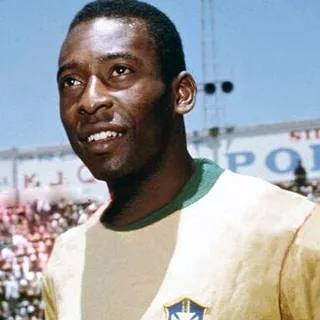 Pelé — Footballer. His sporting career and international public role offer a comparison with accomplished performance joined to broad interpersonal appeal.
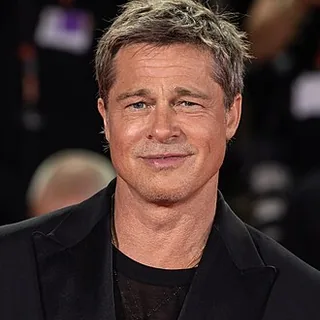 Brad Pitt — Actor and producer. His varied roles and collaborative production work offer a limited comparison with versatility, presentation and sustaining a place within a changing industry.
 Emily Blunt — Actor. Her work across comedy, drama and action illustrates responsiveness to different demands without making the performed characters evidence of her own motivations.
 David Beckham — Footballer. His combination of sporting contribution and public-facing work illustrates achievement translated into a broadly accessible professional presence.
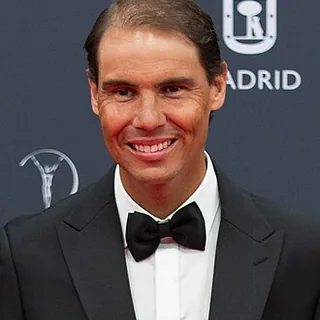 Rafael Nadal — Tennis player. His sustained performance offers a comparison with disciplined ambition and adaptation while maintaining a relatively measured public presentation.
 Leonardo DiCaprio — Actor and producer. His work across performance and environmental advocacy offers an illustration of using a visible platform for aims beyond the immediate role.
 Michael Stevens — Science communicator behind Vsauce. His engaging explanations illustrate curiosity and intellectual play shaped into material that connects with a broad audience.
Fictional Characters Associated with 379
 Naruto Uzumaki — Naruto Shippuden. His wish to be recognised develops into a broader concern with belonging, reconciliation and becoming someone others can rely on.
 Jaime Lannister — Game of Thrones. His changing relationship with reputation and loyalty illustrates the difficulty of developing a personal direction beyond an established public role.
 Buzz Lightyear — Toy Story films. His shifting understanding of who he is connects a need for purpose and distinction with learning how to contribute to a group.
 Saul Goodman — Breaking Bad. His persuasive adaptability offers a morally compromised comparison, showing how interpersonal skill can become a way to evade responsibility.
 Nick Wilde — Zootopia. His quick social judgement and defensive persona illustrate adaptability that becomes more constructive as he allows himself a more genuine commitment.
 Ryuk — Death Note. His detached enjoyment of events provides a supernatural fictional comparison with stimulation and low investment, not a realistic assessment of human motivation.
 Steve Harrington — Stranger Things. His development from status-conscious peer to dependable companion illustrates a changing relationship between recognition, belonging and genuine contribution.
 Flynn Rider — Tangled (2010). His polished persona and improvisation illustrate social adaptability, while his relationship with Rapunzel asks him to become more honestly involved.
 Elle Woods — Legally Blonde (2001). Her warmth and determination illustrate achievement that becomes stronger when she trusts her own contribution rather than merely satisfying someone else's expectations.
 Saitama — One-Punch Man. His extraordinary achievement and ordinary frustrations offer a comic exploration of why success alone does not supply lasting engagement or a sense of connection.
Sources and scope
The Enneagram Tritype framework is attributed to Katherine Chernick Fauvre. This independent educational guide is not affiliated with or endorsed by Fauvre. It describes a theoretical framework for reflection; it is not a validated assessment, diagnosis or population study.
.jpg)
.jpg)
_(53388157347)_(cropped).jpg)
.jpg)


.jpg)
.jpg)
.jpg)


