The 359 label identifies the unordered Enneagram family formed by Types 3, 5 and 9, not a specific ordered result. The Thinker family combines these three types: the Achiever from the Heart centre, the Investigator from the Head centre and the Peacemaker from the Gut centre. Within the Tritype framework, these three types form a broader personality archetype characterised by analytical competence, measured self-presentation, intellectual independence and a preference for achieving results without creating unnecessary friction. Where some combinations move quickly towards confrontation, emotional intensity or overt influence, the Thinker tends to approach problems through understanding, adaptation and carefully calibrated action.
The Thinker can appear in six possible stacking orders: 359, 395, 539, 593, 935 and 953. Each contains the same three underlying types, but the ordering changes which strategy receives psychological priority and which of the remaining two provides the stronger secondary influence. A Three-led 359 may appear polished, efficient and professionally capable, while a Five-led 539 may look much more private and intellectually self-contained. A Nine-led 953 may initially seem calm, modest and unassuming while nevertheless possessing considerable ambition, analytical depth and an unusually clear understanding of how to make systems work effectively.
What connects these six forms is the combination of Three's concern with effectiveness, Five's concern with understanding and Nine's concern with stability and reduced conflict. Together, these tendencies can produce a person who wants to understand what is happening, identify the most efficient route towards a useful outcome and pursue that route without wasting energy on unnecessary drama. There may be a preference for quiet competence over theatrical self-assertion and for influence that emerges through expertise, reliability or strategic positioning rather than through overt pressure.
The Thinker's style can therefore be understated in comparison with more forceful competency-oriented Tritypes. The individual may be ambitious without advertising ambition, competitive without appearing openly combative and highly analytical without needing to dominate every intellectual conversation. At healthy levels, this creates a particularly effective blend of intelligence, adaptability and composure. At less balanced levels, however, the same combination can produce emotional detachment, conflict avoidance, excessive self-effacement or a tendency to become so focused on functioning smoothly that personally important desires remain underdeveloped or unexpressed.
Looking for a particular stacking order?
359 — Three-led · 395 — Three-led · 539 — Five-led · 593 — Five-led · 935 — Nine-led · 953 — Nine-led
The Thinker at a Glance
| Feature | Description |
|---|---|
| Archetype | The Thinker |
| Family code | 3 · 5 · 9 |
| Possible orders | 6 |
| Centres | Heart (3) · Head (5) · Gut (9) |
| All six orders | 359 · 395 · 539 · 593 · 935 · 953 |
| Theoretical Dynamics | Competency overlap (3,5) · Attachment overlap (3,9) · Withdrawn overlap (5,9) |
| Core Tendency | Understanding systems and producing effective results through calm, adaptive and relatively low-friction strategies |
| Central Tension | Achievement and competence versus withdrawal, inertia and avoidance of disruptive conflict |
| Characteristic Strength | Quietly effective analysis combined with adaptability and emotional composure |
| Potential Blind Spot | Detachment, conflict avoidance, over-adaptation or difficulty recognising personal priorities |
How Common Is the Thinker Tritype?
There are currently no large, representative population datasets that allow the prevalence of the Thinker Tritype or its six individual stacking orders to be estimated reliably. As with other Tritype combinations, discussions about how common or uncommon 359-related patterns are tend to arise from self-selected test populations, online personality communities, practitioner observations and people who already possess enough interest in personality framework to identify themselves within a highly specific framework.
This creates obvious limitations. The Big Five can be investigated through large datasets because its dimensions are measured continuously and can be compared across substantial populations. Tritype classifications do not currently have an equivalent empirical foundation. A particular combination may appear frequently within an online community while being uncommon in the wider population, or appear unusually rare simply because people with that combination are less likely to participate in personality-framework spaces.
The Thinker may also be comparatively difficult to identify through surface behaviour because its characteristic qualities can be expressed quietly. A highly analytical, achievement-oriented person who prefers low-conflict environments may not necessarily adopt an obviously distinctive social identity. Some individuals within the family may look like conventional professionals, technical specialists, academics, administrators, researchers or understated managers rather than people whose personalities immediately invite speculation about personality labels.
| Question | Current Position |
|---|---|
| Reliable population estimate? | None currently available |
| Representative prevalence dataset? | No |
| Six recognised stacking orders? | Yes |
| Confidence in exact frequency claims? | Low |
The most responsible approach is therefore to examine the theoretical structure of the Thinker and determine whether its dynamics provide a meaningful description, rather than assigning unsupported percentages or claiming that a particular occupation, demographic group or personality community contains unusually high numbers of 359s.
What Does 359 Mean?
Tritype theory proposes that an individual relies upon one preferred Enneagram strategy from each of the three traditional centres: Heart, Head and Gut. In the Thinker family, these strategies are Type 3 from the Heart centre, Type 5 from the Head centre and Type 9 from the Gut centre. The personality pattern emerges from how these three strategies interact rather than from treating them as three independent collections of traits.
| Component | Centre | Broad concern | Contribution to the Thinker |
|---|---|---|---|
| 3 — Achiever | Heart | Effectiveness, accomplishment and recognised competence | Productivity, adaptation, goal orientation and practical effectiveness |
| 5 — Investigator | Head | Knowledge, understanding and intellectual autonomy | Analysis, observation, expertise and conceptual depth |
| 9 — Peacemaker | Gut | Stability, harmony and reduction of conflict | Calmness, patience, accommodation and resistance to unnecessary disruption |
Type 3 contributes a concern with effectiveness. It wants to know whether effort is producing meaningful results, whether the person has developed the abilities required by the situation and whether a useful objective can actually be achieved. Type 5 contributes intellectual distance and the desire to understand underlying mechanisms. Instead of simply accepting appearances, the person may want to investigate how something works, gather sufficient information and develop a model that allows them to act competently. Type 9 contributes patience, broad perspective and a preference for avoiding unnecessary escalation.
Together, these tendencies can create someone who approaches life through three closely related questions: What outcome matters here? What is actually going on? What is the least wasteful and least disruptive way to deal with it? The order of those questions changes according to stacking, but the overall pattern remains recognisable. The Thinker is generally less interested in force for its own sake than in finding a method that works quietly and reliably.
This gives the archetype a particular relationship with efficiency. The person may dislike both incompetence and unnecessary conflict because each consumes energy without improving the situation. A complicated institutional problem, for example, may invite careful investigation rather than immediate outrage. The Thinker may want to understand the actual procedure, identify the decision-maker, determine which variables matter and pursue the route most likely to produce the desired result.
This does not mean the person lacks ambition or conviction. The presence of Type 9 can make the style less visibly aggressive, but Three and Five can still create considerable determination. The ambition may simply be expressed through preparation, expertise, careful positioning and persistence rather than through continual self-assertion.
The Thinker Personality
The defining feature of the Thinker is the combination of competence with restraint. The individual may possess strong intellectual or professional ambitions while preferring to pursue them in a controlled, relatively private manner. There can be considerable satisfaction in understanding a system thoroughly enough to operate within it effectively, particularly when success can be achieved without unnecessary conflict, emotional exposure or social drama.
The Five component provides much of the archetype's depth. Thinkers may enjoy building expertise, identifying patterns and understanding the hidden structure beneath a problem. They may be especially attracted to subjects in which accurate conceptual models allow them to navigate complexity more effectively. Knowledge is often valuable because it reduces uncertainty and increases independence, but within the 359 family it may also serve the practical goals of Three and the stabilising preferences of Nine.
Three ensures that this intellectual orientation remains connected with accomplishment. A Thinker may not be content simply to understand an issue abstractly; there is often a desire for the understanding to become useful. This can create people who are particularly good at translating complex ideas into systems, plans, procedures, analyses or decisions that produce concrete results.
Clear thinking becomes more useful when it can become a decision or visible contribution.
Nine changes the tone considerably. In a more assertive combination, competence may be used to gain control, dominate competition or confront obstacles directly. In the Thinker, competence is more likely to be used to reduce friction. If a problem can be solved quietly, efficiently and without generating a larger conflict, that may feel preferable to winning publicly.
This can make the archetype unusually composed. The Thinker may not respond dramatically to every difficulty because emotional escalation often appears inefficient. When a problem arises, the person may initially withdraw psychologically, observe what is happening and determine how much of the situation genuinely deserves attention. This capacity for perspective can be extremely valuable in environments where other people become overwhelmed by immediate pressure.
The same composure can occasionally be misunderstood as indifference. A Thinker may care deeply about an issue while displaying relatively little outward emotion. Their concern may appear instead through research, preparation or quietly sustained effort. Someone else may interpret this as detachment when the person is actually attempting to solve the problem in the way that feels most natural.
There is often a substantial relationship with competence as psychological security. Type 3 wants to function effectively, while Type 5 dislikes being caught without sufficient knowledge. Nine adds another motive: competent preparation reduces disruption. If the person understands what is happening and can deal with it effectively, the surrounding environment remains comparatively stable.
This can produce excellent performance. Thinkers may become particularly valuable in complicated organisations because they understand how systems work without necessarily needing to occupy centre stage. They can gather information, notice structural problems, anticipate consequences and quietly improve processes that other people simply tolerate.
However, the same pattern can produce an important blind spot: the person may become better at adapting to reality than at asking whether the reality itself should be challenged. Three can adapt to what the environment rewards, Five can understand the system and Nine can accommodate its existing structure. Together, this creates formidable navigational intelligence, but it may also create excessive willingness to work around a dysfunctional environment rather than confronting it directly.
Another risk involves the suppression of personal desire. Nine can blur awareness of what the person wants, while Three may substitute externally measurable goals and Five may retreat into intellectual interests. The individual can therefore become highly competent at pursuing objectives without always asking whether those objectives remain personally meaningful.
A Thinker may spend years becoming exceptionally good at something because competence, stability and achievement reinforce one another, only to discover that the path was chosen partly because it was manageable and socially intelligible rather than because it represented their deepest preference. This does not invalidate the achievement, but it can create periods of existential uncertainty when external structure weakens.
The healthier form of the archetype retains the ability to adapt without becoming defined by adaptation. The person can still analyse carefully and preserve calm, but they become more willing to recognise when peace is being purchased through self-suppression or when competence is being used to avoid more difficult questions about desire, values or dissatisfaction.
At their best, Thinkers combine substantial intellectual depth with quiet effectiveness. They can understand complicated systems without becoming lost in them, achieve meaningful goals without requiring constant attention and remain composed when others become reactive. Their growth depends not on becoming louder or more aggressive, but on making sure that restraint remains a conscious strategy rather than an automatic avoidance of conflict.
How the Dominant Type Changes the Presentation
The Thinker family contains substantial variation because Types 3, 5 and 9 produce very different outward styles when placed in the dominant position. A Three-led Thinker may appear highly professional, adaptable and productivity-focused. A Five-led Thinker may look more conventionally cerebral and private, while a Nine-led Thinker can appear exceptionally calm or understated even when considerable intelligence and ambition are present beneath the surface.
Three-led Thinkers — 359 and 395 — are likely to place greater emphasis on effectiveness, accomplishment and maintaining a competent presentation. They may be more socially adaptive and more attentive to measurable outcomes than the other variants. Five and Nine make this form of Three somewhat less flamboyant than descriptions that focus heavily upon recognition or status. The person may prefer being respected for competence to being admired for visibility.
Five-led Thinkers — 539 and 593 — place understanding first. These variants are likely to appear more private, analytical and self-contained. Three pushes the Five core towards application and achievement, while Nine contributes patience and a preference for reducing unnecessary interpersonal strain. They may be particularly comfortable in specialist roles where authority comes primarily from expertise.
Nine-led Thinkers — 935 and 953 — can be the most understated versions. Harmony and psychological stability come first, but Three and Five add substantially more ambition and intellectual drive than a superficial Nine stereotype might suggest. These individuals may accomplish a great deal while remaining comparatively modest, preferring influence that develops through usefulness and reliability rather than public dominance.
The differences can therefore be large enough that people within the same family do not initially recognise one another. The deeper commonality lies in the combination of effectiveness, understanding and low-friction functioning.
Inner Dynamics in Enneagram Theory
The internal structure of the Thinker becomes particularly clear when Types 3, 5 and 9 are examined through several of the broader groupings used within Enneagram theory. These classifications belong to the Enneagram's theoretical framework rather than representing independently demonstrated psychological mechanisms, but they help explain why the combination is associated with quiet competence, intellectual distance and adaptability.
The Competency Overlap: Types 3 and 5
Types 3 and 5 are both traditionally placed within the Enneagram's Competency harmonic group, alongside Type 1. In broad terms, competency types are described as responding to difficulties by becoming more effective, objective or capable rather than primarily intensifying emotional expression or seeking reassurance from other people.
Type 3 approaches competence through performance. It wants to know what works, how success is measured and what abilities are necessary to reach the objective. Type 5 approaches competence through knowledge. It seeks enough understanding and preparation to avoid being overwhelmed or exposed as unprepared.
When these strategies reinforce one another, the person may develop a particularly strong relationship with expertise. Surface-level familiarity can feel insufficient when deeper mastery would create greater effectiveness. A Thinker may therefore invest considerable time in learning a subject thoroughly, especially when that knowledge can later be translated into practical capability.
This combination can be extremely productive. Five prevents Three's achievement orientation from becoming entirely dependent upon appearances, while Three prevents Five's intellectual interests from remaining purely theoretical. The resulting individual may care not only about being capable but about actually understanding why the chosen method works.
The danger appears when competence becomes too closely tied to self-worth. The person may become reluctant to expose uncertainty, experiment publicly or participate in environments where they cannot immediately perform well. Because Nine prefers psychological stability, situations that combine uncertainty with visible failure can become especially uncomfortable.
The Attachment Overlap: Types 3 and 9
Types 3 and 9 are both placed within the Enneagram's Attachment object-relations group, together with Type 6. This shared classification helps explain an important feature of the Thinker that might otherwise be overlooked: despite the independence associated with Type 5, the personality can be highly adaptive to environmental expectations.
Type 3 often adapts by identifying what the surrounding environment rewards and developing the traits necessary to succeed within that structure. Type 9 adapts differently, by accommodating the surrounding atmosphere and reducing friction between self and environment. When these tendencies combine, the Thinker may become extraordinarily skilled at functioning within complex systems.
This can create social intelligence that is less obvious than conventional charm. The person may understand how much visibility is useful, when to speak, which expectations genuinely matter and which conflicts are not worth pursuing. They can become adept at conserving effort by adapting selectively rather than reacting to every external demand.
The risk is over-adaptation. The person may gradually organise life around what works within the existing environment and lose contact with what they independently value. Three can pursue the recognised definition of success, Nine can accommodate the surrounding structure and Five can rationalise the entire arrangement intellectually.
This does not necessarily produce unhappiness. Many Thinkers may build deeply satisfying lives within systems they understand well. The developmental issue arises when adaptability becomes so automatic that the person rarely asks whether the system itself deserves their continued participation.
The Withdrawn Overlap: Types 5 and 9
Types 5 and 9 both belong to the Enneagram's Withdrawn Hornevian group, together with Type 4. Their reasons for withdrawing differ substantially, but the overlap contributes much of the Thinker's quiet, self-contained style.
Type 5 withdraws in order to preserve mental space, energy and independence. Distance creates room to observe and understand without becoming overwhelmed by external demands. Type 9 withdraws more through disengagement from pressure, conflict or excessive stimulation, seeking a state in which internal equilibrium can be restored.
Together, these tendencies can make solitude particularly valuable. The Thinker may need substantial periods without interpersonal demands in order to organise thoughts, recover attention and develop understanding. This can be true even of highly successful or socially capable Three-led variants.
The combination can also produce substantial patience. The person may resist immediate reaction because both Five and Nine benefit from stepping back. This allows time for patterns to become visible and can protect against impulsive decisions.
However, withdrawal can become avoidance. Difficult conversations, ambiguous responsibilities or emotionally uncomfortable decisions may remain unresolved because distance initially feels productive. The person tells themselves they are still thinking when part of the actual process involves reluctance to re-enter the situation.
Three complicates this tendency by providing enough goal orientation to prevent indefinite withdrawal in many circumstances. The Thinker may therefore alternate between high productivity and periods of psychological retreat. Understanding this rhythm can be important for distinguishing healthy solitude from disengagement that is beginning to undermine action.
Strengths and Potential Blind Spots
Likely Strengths
One of the Thinker's strongest qualities is calm analytical competence. The combination of Three, Five and Nine offers a natural tendency to reduce complicated situations into manageable components without becoming unnecessarily reactive. Five examines the underlying structure, Three asks which approach is likely to produce a useful result and Nine helps preserve perspective when other people become emotionally escalated.
- This can make the archetype particularly effective in situations where clear thinking matters more than dramatic action. The person may notice patterns that others miss because they are willing to step back long enough to observe the system as a whole. Once the pattern becomes clear, Three can convert understanding into practical action.
- Another strength is adaptability. Thinkers may be unusually capable of adjusting to different professional, intellectual or interpersonal environments without losing basic functionality. Three notices what the situation requires, Nine reduces unnecessary resistance and Five privately maintains an independent conceptual framework.
- There can also be considerable efficiency. The person may dislike wasted motion and become skilled at identifying the simplest route to a satisfactory outcome. Unlike a more forceful personality, they may not need to win every argument if the practical objective can be achieved without one. This ability to distinguish outcome from ego can be strategically valuable.
The archetype can also possess substantial intellectual humility, particularly in healthier forms. Five recognises the limitations of knowledge, while Nine can tolerate multiple perspectives and Three can adapt when new evidence demonstrates that another method works better. The person may care more about getting the answer right than about publicly defending every earlier conclusion.
Another important strength is reliability under pressure. The Thinker may appear relatively calm precisely when a situation becomes complicated. Instead of amplifying urgency, they often begin sorting information, identifying priorities and deciding what actually requires action.
Potential Blind Spots
The most characteristic difficulty is emotional and motivational detachment. The Thinker can become so good at analysing what is happening and adapting to what works that direct awareness of personal emotion or desire receives comparatively little attention. The person may know what the rational decision is, what the organisation expects and what outcome would be efficient while remaining less certain about what they themselves genuinely want.
A related risk is conflict avoidance disguised as strategy. Sometimes avoiding confrontation really is the most intelligent choice. In other cases, the person may construct elaborate rational explanations for remaining silent because direct disagreement feels disruptive. The distinction can be difficult to detect precisely because the Thinker is capable of generating plausible arguments for restraint.
Another blind spot is inertia after analysis. Five can continue gathering information, Nine can resist disruption and Three may postpone visible action until success appears sufficiently likely. Together, these tendencies can occasionally produce excessive preparation. The person may wait for clarity that can only emerge through actually beginning.
There is also a risk of over-adaptation to external definitions of success. Three may pursue achievement according to the surrounding environment, while Nine accommodates and Five focuses on mastering the system. The person can become extremely successful at playing a game they never consciously chose.
Another difficulty involves visibility. Some Thinkers may underestimate the importance of making their work known. Five can prefer privacy and Nine may dislike self-promotion, while Three nevertheless wants accomplishment to matter. The result can be frustration when quieter competence receives less recognition than louder but less substantial performance.
The stacking changes which difficulties become most visible. Three-led Thinkers may over-identify with functioning and achievement. Five-led Thinkers may retreat too far into analysis and privacy. Nine-led Thinkers may become excessively passive or allow other people's priorities to structure their lives.
The shared developmental challenge is therefore not to abandon analysis, adaptability or calmness, but to ensure these strengths do not become substitutes for desire, assertion and deliberate choice.
Relationships and Communication
Thinkers may approach relationships with a combination of selectivity, steadiness and respect for personal space. The Five component values autonomy, while Nine usually prefers relationships in which tension remains manageable and Three may be attentive to functioning well within the partnership. The resulting individual can be highly dependable without necessarily being emotionally demonstrative.
Trust may develop slowly because Five prefers to observe before becoming fully exposed. The person may reveal ideas and interests much more readily than deeper insecurities or emotional needs. Nine can reinforce this tendency by reducing the urge to introduce potentially disruptive material, while Three may prefer presenting a capable version of the self.
Once trust develops, the Thinker may show loyalty through consistency rather than intensity. They may solve practical problems, share information, remember important details, create stability or quietly rearrange plans to support another person. This can produce relationships that feel secure even when the emotional language remains understated.
Being easy to live with should not make personal preferences invisible.
Communication is often measured. The person may think before speaking and prefer discussions that remain focused on the actual issue rather than expanding into unrelated accusations. They may be especially uncomfortable with highly volatile communication because emotional escalation makes it harder to determine what the other person genuinely wants.
This preference can be valuable, but it can also create problems when emotional intensity contains important information. A partner may interpret the Thinker's calmness as disengagement, particularly if the person responds to hurt by analysing the situation rather than acknowledging the emotional experience directly.
Another risk is that the Thinker becomes too accommodating. Nine may prefer to let minor issues pass, while Three adapts and Five withdraws. A pattern of repeated accommodation can eventually produce distance rather than open conflict. The person does not necessarily explode; they may simply become less emotionally present.
A useful developmental principle is therefore that clarity can preserve harmony better than avoidance does. Naming a problem early may feel disruptive, but unresolved problems often create more instability over time.
Healthy Thinkers can become particularly good communicators because they combine perspective with precision. Once they become comfortable acknowledging emotion as information rather than noise, their natural ability to analyse patterns can help them understand both what is being said and what is happening beneath the surface.
Work and Career Preferences
The Thinker archetype is likely to appreciate work that offers some combination of intellectual complexity, autonomy, meaningful competence and a relatively stable environment. The person may enjoy difficult problems but dislike chaotic workplaces where difficulty arises primarily from poor organisation, constant interpersonal conflict or arbitrary decision-making.
- Three-led Thinkers may be especially comfortable in professional environments where achievement is measurable but excessive self-promotion is not required. Consulting, finance, technology, medicine, research management, analytics, law, engineering, project leadership and other performance-oriented fields can allow competence to produce visible results.
- Five-led Thinkers may gravitate towards roles where specialist expertise is central. Software development, data science, scientific research, technical writing, systems analysis, mathematics, engineering, cybersecurity, policy analysis, library or archival work and other intellectually demanding fields can provide substantial opportunity for mastery.
- Nine-led Thinkers may prefer environments where their analytical abilities can be exercised without continual status competition. Research support, design, education, analysis, administration, public service, technical coordination, healthcare, specialist consultancy or independent work can all fit depending upon individual interests.
Across all three dominant styles, the working environment may matter as much as the job title. Thinkers tend to function well when expectations are reasonably clear and they have enough autonomy to determine how a problem should be approached. Constant micromanagement can feel particularly irritating because Five wants intellectual independence and Three wants to operate efficiently.
The archetype may also be effective in systems improvement. Because Nine notices where friction accumulates, Five understands underlying structures and Three focuses on performance, the Thinker may be unusually good at recognising inefficient processes and redesigning them without creating more disruption than the improvement is worth.
Leadership is entirely possible, though the style may be less theatrical than traditional stereotypes suggest. A Thinker leader may influence through expertise, calm judgement and consistent performance rather than force of personality. Employees may appreciate a manager who does not manufacture urgency unnecessarily and who can explain the reasoning behind decisions.
The main leadership risk is excessive passivity around underperformance or conflict. The person may understand exactly what is going wrong but postpone intervention because the confrontation feels disproportionate or because they hope the system will correct itself. Effective leadership therefore requires recognising that timely conflict can protect long-term stability.
Entrepreneurship may also appeal, particularly to Five- or Three-led variants who value autonomy. The Thinker's advantages include strategic analysis, patience and willingness to improve systems gradually. The challenges include marketing, visible self-promotion and decisions that require acting before perfect information becomes available.
These are personality preferences rather than career prescriptions. Ability, training, opportunity, economic circumstances, values and genuine interest remain much more important than any personality label.
Stress and Growth
Under prolonged stress, the Thinker's strengths can become exaggerated in ways that initially appear functional. Analysis becomes overthinking, calmness becomes disengagement, adaptability becomes self-erasure and achievement becomes a way of avoiding more difficult emotional questions. Because the individual may continue performing reasonably well for some time, the deterioration can be difficult for others to notice.
A common stress cycle can be described as pressure → withdrawal into analysis → accommodation of external demands → reduced awareness of personal priorities → further pressure. The person responds to difficulty by attempting to understand it and minimise disruption. This may solve the immediate problem, but repeated accommodation can create a larger mismatch between external functioning and internal motivation.
Three-led Thinkers may respond to stress by working harder and increasing focus on measurable achievement. Productivity provides structure and a sense of competence, but it can also postpone questions about exhaustion or dissatisfaction. Five-led forms may retreat more heavily into research, solitary interests or intellectual preparation. Nine-led forms may become increasingly passive, detached or absorbed in routines that reduce the feeling of pressure without changing its source.
Another possible cycle involves endless preparation. The person feels uncertain, gathers more information and experiences temporary relief from having postponed action. Because action would disturb the relative equilibrium, additional research becomes attractive. Eventually, the delay itself becomes stressful, leading to another round of analysis.
Growth therefore requires a greater willingness to act before complete certainty and speak before complete comfort. The Thinker does not need to become impulsive or confrontational. Instead, development means recognising when additional thought has stopped improving the decision.
Another important area involves recovering personal desire. The person may benefit from asking not only "What makes sense?" or "What will work?" but also "What matters to me even if nobody else rewards it?" This question can be surprisingly difficult when adaptation and competence have become deeply habitual.
Healthy development also involves learning that conflict and stability are not opposites. Some forms of stability require conflict. A boundary that is never stated cannot reliably be respected, and an organisational problem that is never challenged may eventually create far greater disruption than an early disagreement would have done.
A reasonable next step does not require complete certainty or complete comfort.
The healthiest Thinker therefore becomes more assertive without losing restraint. They retain the ability to choose battles carefully, but the choice becomes conscious rather than automatic. Calmness becomes genuine composure rather than disengagement, competence remains valuable without defining personal worth and intellectual distance becomes a tool rather than a permanent place of refuge.
The Six Thinker Stackings
The six Thinker codes contain the same three Enneagram types, but their order is intended to describe which strategy receives priority. The first number represents the dominant or core type, the second represents the more prominent of the two remaining centre strategies and the third occupies the tertiary position.
| Stacking | Lead Type | Secondary Emphasis | Typical Presentation |
|---|---|---|---|
| 359 | Three | Five | Achievement-led, analytical, restrained and professionally capable |
| 395 | Three | Nine | Achievement-led, adaptable, calm and socially unobtrusive |
| 539 | Five | Three | Analysis-led, productive, specialised and quietly ambitious |
| 593 | Five | Nine | Analysis-led, private, patient and highly self-contained |
| 935 | Nine | Three | Harmony-led, capable, adaptable and quietly achievement-oriented |
| 953 | Nine | Five | Harmony-led, analytical, observant and understated |
These descriptions are best treated as differences in emphasis rather than six entirely separate personalities. All contain the same interaction between competence, analysis and low-conflict adaptation.
The Three-Led Thinkers: 359 and 395
Both 359 and 395 begin with Type 3, making achievement and effectiveness the primary orientation. These individuals may be more visibly career-focused or outcome-oriented than the other Thinker variants, but Five and Nine soften the more demonstrative qualities often associated with Type 3. There can be a preference for appearing competent rather than impressive and for building credibility through performance rather than continual self-promotion.
The difference lies in whether Five or Nine occupies the secondary position. In 359, analytical depth and intellectual self-sufficiency follow immediately behind the Three core. In 395, adaptability, calmness and low-friction functioning receive greater emphasis.
359 — Three → Five → Nine
In 359, Type 5 follows the dominant Three. The desire to achieve is therefore strongly linked with knowledge, expertise and analytical preparation. The person may want to become recognised as competent, but recognition is likely to feel most satisfying when it reflects genuine mastery rather than surface-level performance.
This can create a particularly intellectual version of Type 3. The 359 may invest heavily in difficult skills and specialise in areas where expertise provides a meaningful advantage. There can be a preference for occupations or projects in which results are objectively visible enough that competence speaks for itself.
Nine occupies the tertiary position and moderates the harder edges of the Three–Five combination. The person may be ambitious without appearing aggressively competitive and may prefer indirect influence when it produces the same result with less friction. They may also tolerate ordinary imperfections in other people better than a more forceful competency type would.
The overall pattern can therefore be summarised as effectiveness first, understanding second and harmony third. Healthy 359s may be exceptionally capable specialists, strategists or professionals. The main risk is becoming so focused on intelligent achievement that emotional needs and personally meaningful desires receive insufficient attention.
395 — Three → Nine → Five
In 395, Type 9 follows the dominant Three. Achievement remains central, but the person's secondary strategy is more concerned with adaptation, stability and smooth functioning. This may create a particularly understated form of Type 3.
The 395 may be skilled at understanding what an environment requires and adjusting without making the adjustment look effortful. Rather than pushing themselves aggressively into the foreground, they may allow reliability and results to establish their reputation.
Compared with 359, the 395 may be somewhat less visibly intellectual even though Five remains an important part of the personality. Analysis operates beneath a stronger layer of calm adaptability. The individual may understand considerably more than they reveal.
Five occupies the tertiary position and contributes depth, self-sufficiency and the ability to step back from immediate social pressures. The broad priority becomes effectiveness first, harmony second and understanding third.
This can produce somebody who functions extremely well within organisations because they combine competence with low interpersonal friction. The danger is excessive accommodation to institutional expectations, especially when the person becomes successful enough that questioning the path begins to feel unnecessarily disruptive.
The Five-Led Thinkers: 539 and 593
Both 539 and 593 begin with Type 5, placing understanding and intellectual autonomy at the centre of the personality. These variants may be more private and less visibly status-conscious than the Three-led forms, although substantial ambition can still exist.
The Five core seeks to develop knowledge and competence before engaging fully. Three and Nine then determine whether that understanding is directed more strongly towards visible effectiveness or towards preserving stability and independence.
539 — Five → Three → Nine
In 539, Type 3 follows the dominant Five. The individual's primary need to understand is therefore closely connected with productivity and accomplishment. Expertise is not merely a refuge or private interest; there is usually some desire to make it useful.
This can produce a highly capable specialist. The person may enjoy fields in which accumulated knowledge creates measurable impact and where authority is granted on the basis of demonstrated competence.
Three can also make the 539 more professionally adaptive than many stereotypical Five descriptions imply. The person may understand that ideas require presentation, deadlines and practical execution if they are to matter outside the individual's private intellectual world.
Nine remains in the tertiary position and contributes calmness, patience and a preference for avoiding pointless conflict. The broad priority becomes understanding first, effectiveness second and harmony third.
Compared with 593, the 539 may be somewhat more visibly productive or ambitious. The risk lies in turning expertise into a constant performance requirement and becoming reluctant to pursue interests that do not produce obvious achievement.
593 — Five → Nine → Three
In 593, Type 9 follows the dominant Five. Understanding remains primary, but the secondary influence encourages privacy, stability and reduction of external pressure. This can create one of the most withdrawn versions of the Thinker. The individual may require substantial uninterrupted time to think and may prefer environments where expertise can be developed without constant competition or interpersonal demands.
Nine can make the Five core especially patient. The person may remain with a complex subject for long periods and resist pressure to produce premature conclusions. This can support substantial intellectual depth.
Three remains in the tertiary position and ensures that accomplishment still matters. The person may want their expertise to be useful or respected, but they are less likely than the 539 to foreground the achievement component.
The overall priority becomes understanding first, harmony second and effectiveness third. At healthy levels this can produce unusually thoughtful, balanced expertise. At less healthy levels, the combination may become overly passive, reluctant to promote its own work or trapped in preparation because external action feels disruptive.
The Nine-Led Thinkers: 935 and 953
Both 935 and 953 begin with Type 9, making harmony, stability and preservation of equilibrium the primary psychological orientation. These variants can easily be underestimated because their ambition or intellectual intensity may remain comparatively hidden.
Three and Five add considerable competence to the Nine core. The person may be highly capable without needing to announce that capability, and they may prefer contributing through quiet usefulness rather than visible authority.
935 — Nine → Three → Five
In 935, Type 3 follows the dominant Nine. Harmony remains primary, but the person has a strong secondary drive towards effectiveness and accomplishment. This can create someone who appears calm and uncompetitive while nevertheless achieving a great deal. The 935 may be particularly good at integrating into organisations, understanding expectations and producing reliable work without creating unnecessary interpersonal friction.
Three helps prevent the Nine core from becoming excessively passive. Goals can provide structure and momentum, giving the person a clear reason to act even when personal desire remains somewhat diffuse.
Five occupies the tertiary position and contributes analysis and intellectual depth. The overall pattern becomes harmony first, effectiveness second and understanding third. Compared with 953, the 935 may be somewhat more visibly productive and socially adaptive. The principal risk is allowing external goals to define direction because pursuing recognised objectives can feel easier than identifying deeply personal priorities.
953 — Nine → Five → Three
In 953, Type 5 follows the dominant Nine. Harmony remains central, but it is supported by intellectual distance, observation and a strong preference for understanding before engagement.
This may be the most understated form of the Thinker. The individual can appear quiet, easy-going or almost detached while possessing considerable analytical depth beneath the surface.
Five strengthens the Nine preference for stepping back from pressure. The person may retreat into ideas, research or solitary interests when the environment becomes demanding. This can be restorative and productive, but it can also become a way of postponing necessary action.
Three remains in the tertiary position and provides ambition, effectiveness and the desire for competence. The person's accomplishments may therefore be substantial despite a relatively modest presentation.
The overall priority becomes harmony first, understanding second and effectiveness third. At healthy levels this can produce calm, highly perceptive individuals who contribute without needing attention. At less balanced levels, their capabilities may remain underused because avoidance of disruption consistently takes priority over ambition.
Wings and Other Secondary Influences
The dominant type of each Thinker stacking can be modified substantially by wings and other secondary elements of Enneagram theory. Because the family contains three possible dominant types, there is no single wing pattern that describes all Thinkers.
A Three-led Thinker may show stronger influence from Type 2 or Type 4. A stronger Two wing can make the person more relational, socially responsive and persuasive, while a stronger Four wing may increase individuality, introspection or concern with pursuing a distinctive form of achievement.
A Five-led Thinker may show stronger Four- or Six-wing influence. Four can add imagination, originality and greater interest in personally meaningful ideas, while Six can contribute caution, systematic verification and increased attention to reliability.
A Nine-led Thinker may show stronger Eight- or One-wing qualities. Eight influence can make the person somewhat firmer and more willing to protect boundaries, while One influence may add structure, precision and a greater sense of internal standards.
These influences can noticeably change how a Thinker presents without altering the underlying 3–5–9 combination. Wings are therefore best treated as secondary modifiers after the primary Tritype family and stacking order have been established.
Related Tritype Archetypes
Comparing the Thinker with neighbouring archetypes helps clarify what each component contributes. The 358 Solution Master retains Types 3 and 5 but replaces Nine with Type 8. Competence, analysis and achievement remain, but the Gut strategy becomes considerably more forceful. Eight contributes stronger boundary defence, directness and willingness to impose change upon the environment. Compared with 358, the Thinker generally has less appetite for direct confrontation and a stronger tendency to solve problems through adaptation or lower-friction methods.
The 369 Mediator retains Types 3 and 9 but replaces Five with Type 6. Effectiveness and attachment to the surrounding environment remain, but the Head strategy becomes more concerned with security, loyalty, uncertainty and external verification. Compared with the Thinker, the resulting personality may be somewhat more group-aware and concerned with dependable structures, while losing some of Five's intellectual distance and specialised independence.
The 459 Contemplative retains Types 5 and 9 but replaces Three with Type 4. The withdrawn, reflective qualities of the Thinker therefore remain, but the Heart component changes from achievement and adaptation towards authenticity, identity and personal meaning. The Contemplative may be less concerned with producing an externally useful outcome and more interested in understanding experience deeply and authentically.
These comparisons demonstrate that the Thinker's distinctive quality does not come from any single trait such as intelligence or introversion. It arises from the particular interaction between Three's practical effectiveness, Five's analytical independence and Nine's stabilising restraint.
The Thinker and the Big Five
The Enneagram and Big Five describe personality through fundamentally different models, so there is no direct conversion between the Thinker Tritype and a particular Big Five profile. Any comparisons should therefore be regarded as conceptual similarities rather than established psychometric relationships.
The intellectual curiosity associated with Type 5 may resemble aspects of higher Openness to Experience, particularly where the person enjoys abstract reasoning, complex systems and specialised interests. However, Openness also includes aesthetic and experiential dimensions that cannot be inferred from Tritype alone.
Three may sometimes correspond descriptively with aspects of higher Conscientiousness, particularly goal orientation, persistence and productive organisation. Yet the presence of Nine can complicate this. Some Thinkers may be extremely disciplined when working towards meaningful goals while remaining relaxed or unstructured in areas they consider unimportant.
Agreeableness may vary substantially. Nine can contribute accommodation and reduced appetite for conflict, while Five may create emotional distance and Three can become highly task-focused. A Thinker may therefore appear cooperative while still maintaining considerable intellectual independence.
Extraversion is similarly difficult to generalise. Five- and Nine-led forms may often appear reserved, while Three-led variants can be much more socially confident. Even a socially skilled Thinker may nevertheless require substantial privacy and low-stimulation periods in order to recover.
Neuroticism or emotional stability cannot be inferred reliably either. A composed presentation may reflect genuine low reactivity, but it may also reflect learned detachment or a tendency to process distress privately.
The Thinker and 16-Type Systems
The Thinker can resemble several profiles within Jungian and MBTI-style systems, particularly those associated with analytical reasoning, independence and strategic restraint. However, the frameworks describe different aspects of personality and should not be treated as directly convertible.
Five-led Thinkers may sometimes recognise themselves in INTJ or INTP descriptions because of the emphasis on autonomous reasoning, systems thinking and specialised knowledge. The presence of Three can make some 539s appear more goal-directed and practically ambitious than common INTP stereotypes, while Nine can make 593 presentations especially reserved and low-conflict.
Three-led Thinkers may sometimes identify with INTJ, ENTJ, ISTJ or similar competence-oriented profiles, depending upon whether the person's style is more inward or outward, abstract or concrete. The key point is that Type 3 describes motivational priorities rather than a particular cognitive preference.
Nine-led Thinkers may sometimes identify with INTP, INTJ, ISTJ or even INFJ-style descriptions, particularly where quiet observation, restraint and long-range understanding are emphasised. A calm presentation should not automatically be interpreted as Feeling preference, just as analytical depth does not automatically establish Thinking preference.
These are loose descriptive comparisons rather than conversions. A 539 is not automatically an INTJ, and an INTJ is not automatically part of the 359 family. The Enneagram focuses primarily on motivations, attentional patterns and psychological strategies, while Jungian and MBTI-style systems use a different conceptual structure.
Treating the frameworks as complementary rather than interchangeable preserves the distinctions that make each one useful.
The Thinker in One Sentence
The 359 Thinker Tritype combines achievement-oriented competence, analytical depth and stabilising restraint into a personality that seeks to understand complex systems, produce effective results and navigate problems with as little unnecessary friction as possible.
Famous People and Fictional Characters Associated with 359
These examples offer illustrative comparisons with the 359 family, not confirmed personality assessments. The family includes all six orders of its three types; an example need not use the ascending 359 order. A public career or fictional story cannot establish someone's private motivations. Fictional examples refer to the works or versions named below, and are illustrations rather than role models.
Famous People Associated with 359
 Mark Zuckerberg — Technology entrepreneur. His role in building large digital systems offers a comparison with technical understanding, practical execution and attention to scalable results.
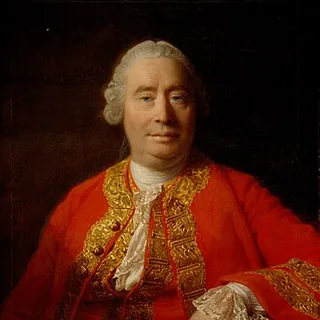 David Hume — Philosopher. His examination of knowledge and habit illustrates detached questioning of assumptions alongside attention to how people actually experience the world.
 George Clooney — Actor and filmmaker. His collaborative work across performance and production offers a comparison with an adaptable, composed public presentation.
 Scarlett Johansson — Actor and producer. Her varied professional work offers a limited illustration of adaptable craft, distinct from the personalities assigned to her fictional roles.
 Calvin Harris — Music producer and performer. His studio work illustrates specialist craft translated into effective, widely accessible results.
 Sebastian Vettel — Racing driver. His technical preparation and measured public reflection offer a comparison with performance supported by analysis rather than spectacle alone.
 Bill Skarsgård — Actor. His carefully differentiated performances offer a comparison with developing a workable interpretation through observation and craft, not private personality evidence.
 Oscar Piastri — Racing driver. His composed professional presentation offers a limited illustration of measured execution and conserving attention for the task at hand.
 Jet Li — Martial artist and actor. His precise physical craft illustrates the relationship between sustained training, economical execution and practical mastery.
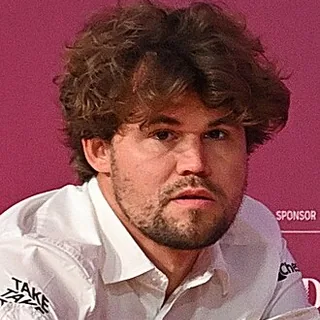 Magnus Carlsen — Chess player. His positional judgement and practical decision-making illustrate knowledge used efficiently without requiring every choice to become a display of complexity.
Fictional Characters Associated with 359
 Garfield — Garfield comics. His economical approach to effort offers a comic illustration of comfort, selective engagement and finding the easiest workable arrangement.
 Greg Heffley — Diary of a Wimpy Kid franchise. His schemes illustrate an often self-serving preference for results without discomfort, making him a cautionary rather than exemplary comparison.
 Hiro Hamada — Big Hero 6 (2014). His technical talent becomes more constructive as he connects problem-solving with collaboration and a purpose beyond proving his ability.
 Brian Griffin — Family Guy. His intellectual self-image and preference for familiar comforts offer a satirical illustration of the gap between appearing capable and consistently acting on it.
 Jimmy Neutron — The Adventures of Jimmy Neutron: Boy Genius. His inventions illustrate technical confidence, with stories repeatedly showing why a clever solution still needs practical judgement.
 Mr. Bean — Mr. Bean television series. His improvised solutions illustrate ingenuity aimed at preserving his own comfortable arrangement, often with consequences he fails to anticipate.
 Bugs Bunny — The Looney Tunes Show (2011). His relatively composed response to everyday disorder offers a comic illustration of economical problem-solving and selective involvement.
 Gordon Freeman — Half-Life games. His role offers a fictional comparison with technical resourcefulness expressed through action rather than an extensively explained personal philosophy.
 Solid Snake — Metal Gear games. His practical expertise and restrained presentation illustrate task-focused competence complicated by doubts about the systems directing his actions.
 Stanley Hudson — The Office (US). His clear limits around work and personal comfort provide a comic illustration of conserving effort while remaining capable within a defined role.
Sources and scope
The Enneagram Tritype framework is attributed to Katherine Chernick Fauvre. This independent educational guide is not affiliated with or endorsed by Fauvre. It describes a theoretical framework for reflection; it is not a validated assessment, diagnosis or population study.
_(cropped_2).jpg)

.jpg)


_(cropped).jpg)
_(cropped).jpg)
.jpg)
.jpg)


