The 279 label identifies the unordered Enneagram family formed by Types 2, 7 and 9, not a specific ordered result. The Peacemaker family combines these three types: the Helper from the Heart centre, the Enthusiast from the Head centre and the Peacemaker from the Gut centre. Within the Tritype framework, these three types form a broader personality archetype characterised by warmth, optimism, interpersonal sensitivity and a strong preference for creating an atmosphere in which people can feel comfortable, accepted and hopeful.
The Peacemaker can appear in six possible stacking orders: 279, 297, 729, 792, 927 and 972. Each contains the same three underlying types, but the order changes which strategy leads the personality and which of the remaining two receives greater secondary emphasis. A Two-led 279 may therefore look considerably more relational and actively helpful than a Nine-led 972, while a Seven-led 729 may appear much more energetic and outwardly enthusiastic than either.
What connects all six forms is the interaction between Two's concern with connection and being positively involved with others, Seven's concern with possibility and maintaining psychological freedom, and Nine's concern with harmony and the avoidance of unnecessary conflict. The result is often a personality that instinctively looks for ways to improve the emotional atmosphere, emphasise common ground and keep life moving towards something more pleasant or hopeful.
The Peacemaker is therefore not simply "nice" in a generic sense. The archetype describes a more specific pattern in which relationship-building, positive reframing and conflict reduction can all become important psychological strategies. At its healthiest, this can create someone unusually encouraging, adaptable and capable of helping very different people coexist. At its less balanced extremes, however, the same tendency can make difficult realities too easy to soften, postpone or explain away.
Looking for a particular stacking order?
279 — Two-led · 297 — Two-led · 729 — Seven-led · 792 — Seven-led · 927 — Nine-led · 972 — Nine-led
The Peacemaker at a Glance
| Feature | Description |
|---|---|
| Archetype | The Peacemaker |
| Family code | 2 · 7 · 9 |
| Possible orders | 6 |
| Centres | Heart (2) · Head (7) · Gut (9) |
| All six orders | 279 · 297 · 729 · 792 · 927 · 972 |
| Theoretical Dynamics | Triple Positive Outlook pattern · Relational warmth · Optimistic reframing · Harmony-seeking |
| Core Tendency | Creating connection, possibility and interpersonal ease |
| Central Tension | Maintaining positivity and harmony versus confronting uncomfortable realities directly |
| Characteristic Strength | Encouraging others while finding constructive possibilities and common ground |
| Potential Blind Spot | Conflict avoidance, over-accommodation or excessive positive reframing |
How Common Is the Peacemaker Tritype?
There are currently no large, representative population datasets that allow the prevalence of the Peacemaker Tritype or its six individual stacking orders to be estimated reliably. This limitation applies broadly to Tritype prevalence claims and is important when interpreting statements about a particular combination being especially common, uncommon or associated with a particular demographic group.
Large trait models such as the Big Five can be investigated using representative or very large psychometric datasets because their dimensions can be measured continuously across many thousands of participants. Enneagram and Tritype classifications generally do not have an equivalent empirical foundation. Most observations about frequency come instead from self-selected test takers, online communities, Enneagram enthusiasts, workshops or practitioner experience.
The Peacemaker may sometimes appear relatively visible in personality communities because its constituent types all contain themes that can be socially recognisable: Two through helpfulness, Seven through enthusiasm and Nine through accommodation. That visibility should not be confused with evidence about how common the combination actually is in the wider population. There is presently no defensible basis for saying that a particular percentage of people are 279s or that one stacking is reliably more common than another.
| Question | Current Position |
|---|---|
| Reliable population estimate? | None currently available |
| Representative prevalence dataset? | No |
| Six recognised stacking orders? | Yes |
| Confidence in exact frequency claims? | Low |
The most responsible approach is therefore to examine the internal logic and descriptive claims of the Peacemaker archetype without attaching unsupported numerical precision to its prevalence.
What Does 279 Mean?
Tritype theory proposes that an individual uses one preferred Enneagram strategy from each of the three traditional centres: Heart, Head and Gut. For the Peacemaker, those strategies are Type 2 from the Heart centre, Type 7 from the Head centre and Type 9 from the Gut centre.
| Component | Centre | Broad concern | Contribution to the Peacemaker |
|---|---|---|---|
| 2 — Helper | Heart | Connection, helpfulness and interpersonal value | Warmth, responsiveness and attention to other people |
| 7 — Enthusiast | Head | Possibility, freedom and positive alternatives | Optimism, flexibility, imagination and forward movement |
| 9 — Peacemaker | Gut | Harmony, stability and reduction of conflict | Patience, acceptance, mediation and interpersonal ease |
The combination is more interesting than simply placing these three descriptions beside one another. Type 2 introduces a strong awareness of interpersonal needs and the emotional climate surrounding relationships. Type 7 introduces movement towards possibility, novelty and alternatives, often encouraging the person to look for a constructive way forward rather than remaining psychologically trapped in difficulty. Type 9 contributes a desire for equilibrium and reduces the appetite for unnecessary confrontation.
Together, these tendencies can create someone who naturally asks three closely related questions: How can everyone feel included? What positive possibility are we overlooking? How can this situation become calmer or easier to live with? Different Peacemaker stackings answer those questions in different orders, but the overall orientation remains remarkably consistent.
This helps explain why the archetype often carries an unusually strong "positive" tone. The Peacemaker does not merely prefer pleasant experiences. Its three component strategies each contain a different reason for moving away from prolonged negativity. Two may try to restore connection, Seven may search for another possibility, and Nine may attempt to reduce tension. When healthy, these responses are constructive. When overused, they can make it difficult to remain fully present with anger, disappointment, limitation or unavoidable conflict.
The Peacemaker Personality
The defining feature of the Peacemaker is the combination of interpersonal warmth with psychological optimism and a strong preference for harmony. These qualities can make the archetype appear unusually accessible. Peacemakers may instinctively notice what allows people to relax around one another, what might help someone feel included and how a tense situation could be reframed in a less threatening way.
The Two component gives the personality a relational orientation. Other people's reactions matter, and relationships may be experienced as important sources of meaning, identity or emotional energy. A Peacemaker may enjoy helping, encouraging, introducing people, creating a welcoming atmosphere or noticing when somebody has been unintentionally left at the edge of a group. This does not mean every person with the archetype will be highly sociable, but relationships are likely to carry psychological significance.
Seven adds momentum. Rather than remaining indefinitely with disappointment or frustration, the Peacemaker may quickly begin looking for what else is possible. This can create resilience, humour and adaptability. A setback may be unpleasant without being allowed to define the entire situation. There may be an instinctive belief that another route, another opportunity or another interpretation can eventually be found.
Reassurance helps most when it makes room for what is genuinely difficult.
Nine adds a quieter form of acceptance. The person may be relatively tolerant of differences and less interested than many personalities in turning every disagreement into a contest. There can be a willingness to let minor irritations go, accommodate different perspectives and preserve a relationship even when perfect agreement is impossible. Combined with Two, this can create considerable social tact; combined with Seven, it can produce a relaxed ability to keep moving without becoming trapped in every difficulty.
The result is often someone who acts as an emotional lubricant within groups. The Peacemaker may notice where conversations are becoming too hostile, where somebody needs encouragement or where an alternative perspective could prevent the atmosphere collapsing into pessimism. In healthy form, this can be an extremely valuable social ability. Not every problem requires escalation, and not every unpleasant emotion needs to dominate an entire situation.
The same qualities, however, can create a characteristic blind spot. If restoring comfort becomes too important, difficult information may be softened before it has been fully understood. A Peacemaker may reassure another person when a more useful response would be to acknowledge that something genuinely serious has happened. They may tell themselves that "everything will work out" when action is actually required, or remain agreeable in a relationship until resentment has quietly accumulated.
This does not necessarily result from weakness. In many cases the person genuinely sees multiple sides of an issue and sincerely believes that conflict can be avoided. The difficulty arises when the wish for harmony begins to determine which parts of reality are allowed into awareness.
There can therefore be more psychological complexity beneath the friendly exterior than is immediately obvious. A Peacemaker may feel anger, disappointment, envy, frustration or fear just as strongly as anyone else while having comparatively little desire to organise their identity around those emotions. Negative states may instead be redirected into helping, distraction, humour, future planning or withdrawal into comfortable routines.
At their best, Peacemakers are capable of combining kindness with flexibility. They may be particularly good at helping people recover perspective after a failure, seeing possibilities that remain available when others have become discouraged and recognising that human relationships are often more durable than a temporary disagreement suggests.
Their developmental challenge is not to become less positive. It is to make that positivity sufficiently robust that it can coexist with reality even when reality is unpleasant.
How the Dominant Type Changes the Presentation
The Peacemaker should not be imagined as one uniformly soft, quiet or accommodating personality. The dominant type changes the visible style considerably because Types 2, 7 and 9 approach people and problems in different ways.
Two-led Peacemakers — 279 and 297 — are likely to place relatively greater emphasis on relationships, helpfulness and interpersonal response. Their first instinct may be to ask what another person needs or how the social atmosphere can be improved. Seven and Nine then influence whether that Two core is expressed through greater enthusiasm and activity or through greater calmness and accommodation.
Seven-led Peacemakers — 729 and 792 — may appear considerably more energetic. Possibility, freedom and forward movement provide the main psychological emphasis, while Two and Nine soften the Seven style through warmth, cooperation and relational awareness. These individuals may be highly sociable, imaginative or encouraging without necessarily resembling the quieter stereotype sometimes associated with the word "peacemaker."
Nine-led Peacemakers — 927 and 972 — may most closely resemble the conventional image of the peaceful mediator. Harmony, stability and maintaining connection provide the starting point. Two contributes responsiveness to others, while Seven introduces optimism and the capacity to imagine alternatives when a situation becomes stagnant.
The six stackings therefore share the same underlying ingredients without producing identical personalities. A 729 can be lively, future-oriented and expressive, while a 927 may be understated, patient and reassuring. Both nevertheless belong to the same broader family because both attempt, in different ways, to preserve connection while moving experience towards something more positive and manageable.
Inner Dynamics in Enneagram Theory
The Peacemaker becomes particularly distinctive when Types 2, 7 and 9 are considered through some of the broader groupings used within Enneagram theory. These classifications belong to the Enneagram's theoretical system rather than representing independently demonstrated psychological mechanisms, but they help explain why this combination is described as unusually optimistic, relational and conflict-averse.
The Positive Outlook Pattern: Types 2, 7 and 9
The most important theoretical feature of the 279 combination is that all three component types belong to the Positive Outlook harmonic group. This gives the Peacemaker a particularly concentrated version of the Enneagram's tendency to respond to difficulty by focusing attention on what remains positive, manageable or potentially redeemable.
The three types do not accomplish this in the same way. Type 2 often redirects attention towards people, connection and what can be done to help. When circumstances are painful, relationships may provide meaning and a sense of usefulness. Type 7 looks towards possibilities, alternatives and future experiences, reducing the feeling of being trapped by the present difficulty. Type 9 searches for equilibrium, continuity and a perspective from which the disturbance appears less overwhelming.
When these strategies reinforce one another, the Peacemaker may develop considerable emotional buoyancy. Even after disappointment, there can be a genuine ability to find something worthwhile, recognise that life contains more than the immediate problem and prevent a temporary crisis from swallowing the whole psychological landscape.
This is potentially one of the archetype's greatest strengths. Some people respond to problems by intensifying them mentally until every difficulty feels permanent. The Peacemaker may instinctively do the reverse, recognising that many conflicts are temporary and that people can often repair more than they initially imagine.
The difficulty appears when the positive orientation becomes compulsory. A person who needs every situation to contain an encouraging interpretation can become uncomfortable with grief, anger, betrayal or circumstances in which no immediate silver lining exists. Other people may occasionally feel that their distress is being managed rather than fully heard.
The developmental task is therefore not to abandon optimism but to distinguish resilience from avoidance. Genuine optimism can look directly at a painful reality and still believe improvement is possible. Avoidant optimism attempts to secure the positive conclusion before the unpleasant reality has been adequately acknowledged.
Three Different Social Strategies
Types 2, 7 and 9 occupy different positions within the Enneagram's Hornevian groupings, which helps explain why the Peacemaker can show a surprisingly broad range of outward behaviour. Type 2 belongs to the compliant or dutiful group, Type 7 to the assertive group and Type 9 to the withdrawn group.
This means the Peacemaker contains a strategy that moves towards people, a strategy that moves actively towards desired experience, and a strategy that can move away from pressure in order to preserve internal stability. The archetype therefore has more behavioural flexibility than a simple description such as "friendly and agreeable" might suggest.
The Two component may approach somebody directly and ask what is wrong. Seven may suggest doing something different, changing the environment or finding another possibility. Nine may allow the person time and space while quietly maintaining a supportive presence. A mature Peacemaker can move between these responses according to what the situation genuinely requires.
Less balanced forms may oscillate between them. The person may become highly involved in other people's problems, then suddenly seek stimulation elsewhere when the emotional burden feels uncomfortable, before finally withdrawing into passivity when neither approach resolves the issue.
This internal variety explains why dominant type matters considerably. Two-led variants tend to move towards interpersonal engagement more readily, Seven-led variants towards action and possibility, and Nine-led variants towards stabilisation and accommodation.
Strengths and Potential Blind Spots
Likely Strengths
One of the most characteristic strengths of the Peacemaker is emotional encouragement. The combination of Two's concern for people, Seven's ability to imagine alternatives and Nine's calming influence can make the individual particularly effective at helping others regain perspective during periods of discouragement. Rather than merely offering abstract reassurance, a healthy Peacemaker may combine genuine emotional support with practical suggestions and a sense that the situation is survivable.
- Another strength is social adaptability. Peacemakers may find it relatively easy to interact with people who differ significantly from themselves because they are less psychologically invested in proving that every disagreement must have a winner. Nine contributes acceptance, Two pays attention to relational signals and Seven brings flexibility. Together these qualities can make the person a natural bridge between individuals who would otherwise struggle to understand one another.
- There can also be considerable resilience. Because the personality is inclined to search for what remains possible, setbacks do not always become identity-defining events. A Peacemaker may recover from disappointment by reconnecting with people, adjusting expectations and redirecting energy towards another path rather than remaining trapped indefinitely in what has been lost.
- The archetype can also possess substantial interpersonal generosity. At healthy levels, this does not simply mean doing favours. It can involve giving other people psychological room: allowing them to be imperfect, change their minds, recover from mistakes and retain dignity during disagreement.
Perhaps most importantly, healthy Peacemakers can remind groups that cooperation is itself a serious form of competence. Competitive environments sometimes mistake aggression for strength, but many problems can only be solved when people remain sufficiently connected to work together. The Peacemaker may be especially sensitive to this dimension of collective functioning.
Potential Blind Spots
The most obvious difficulty is avoidance of uncomfortable conflict. Because all three component types have theoretical reasons to move attention away from prolonged negativity, a Peacemaker may sometimes attempt to repair the emotional atmosphere before the underlying disagreement has been resolved.
This can produce superficial peace. Everyone may stop arguing, but the original problem remains intact. Over time, repeated smoothing can create more instability than a difficult but honest confrontation would have created initially.
Another risk is over-accommodation. The Two and Nine components can both become highly responsive to other people, though for different reasons. The person may become skilled at sensing what others want while becoming progressively less clear about their own preferences. Seven can complicate this further by providing attractive alternatives whenever sustained discomfort appears.
The person may therefore agree enthusiastically to plans they do not actually want, help beyond their realistic capacity or repeatedly postpone a difficult refusal. Resentment can then appear surprisingly late because the individual has spent so much time maintaining a positive atmosphere that their own opposition has remained partially outside awareness.
Another possible blind spot is premature reassurance. The Peacemaker may genuinely want another person to feel better and may therefore rush too quickly towards the positive interpretation. Statements such as "it will be fine" can be comforting when they are grounded in reality but alienating when somebody first needs their fear or anger to be taken seriously.
The stacking changes which risks are most visible. A Two-led Peacemaker may become overly invested in being helpful or appreciated. A Seven-led Peacemaker may avoid limitation through activity, options or distraction. A Nine-led Peacemaker may minimise their own priorities and remain passive for too long.
The shared developmental challenge is not to become harsher or more pessimistic. It is to learn that peace which cannot tolerate truth is fragile peace.
Relationships and Communication
Relationships are likely to occupy an important place in the Peacemaker's psychological world. The Two component brings attention to connection, the Nine component prefers continuity and the Seven component often enjoys shared experience. Together, these tendencies can create someone who invests considerable energy in maintaining a pleasant relational atmosphere.
Peacemakers may be especially appreciative of relationships that combine affection with freedom. Excessively confrontational, controlling or emotionally heavy dynamics can feel draining, while coldly detached relationships may fail to provide enough warmth. The ideal connection may involve mutual encouragement, emotional generosity, humour and enough independence that neither person feels trapped.
One notable strength is the ability to de-escalate. A Peacemaker may instinctively understand that the emotional temperature of a conversation matters as much as the literal content. They may use humour, reassurance, perspective-taking or simple patience to prevent a disagreement from becoming unnecessarily destructive.
A difficult conversation can protect a connection that avoidance leaves uncertain.
However, de-escalation and avoidance are not the same thing. Healthy communication reduces unnecessary hostility while still addressing the underlying issue. Unhealthy communication reduces visible hostility by making the issue disappear from the conversation.
This distinction can be especially important in close relationships. A Peacemaker who repeatedly says that everything is fine may eventually surprise a partner by becoming distant, exhausted or unexpectedly resentful. The problem is not necessarily that the feelings appeared suddenly; rather, they may have been repeatedly deprioritised in order to preserve harmony.
Two-led Peacemakers may communicate in a more actively relational way, frequently checking how others feel and offering support. Seven-led Peacemakers may communicate with greater enthusiasm, humour and rapid movement between possibilities. Nine-led Peacemakers may be quieter and particularly skilled at creating a non-threatening atmosphere in which other people feel able to speak.
Across the family, one of the most useful developmental principles is that disagreement does not automatically threaten connection. A relationship capable of surviving respectful conflict is often more secure than one whose stability depends on difficult subjects never being raised.
Work and Career Preferences
The Peacemaker may be drawn towards work that allows some combination of human connection, flexibility, encouragement, creativity and a relatively cooperative atmosphere. The exact preference depends considerably on the dominant type, but chronically hostile or rigidly competitive environments may be especially draining when interpersonal tension becomes a permanent feature rather than an occasional necessity.
- Two-led Peacemakers may find satisfaction in work where supporting or developing other people is meaningful. Teaching, counselling, healthcare, coaching, customer-facing work, human resources, community work, hospitality, charitable organisations and people-oriented management can all provide possible outlets for the combination of interpersonal awareness and encouragement.
- Seven-led Peacemakers may prefer roles with more variety, movement or creativity. Marketing, events, entrepreneurship, travel-related work, media, communications, facilitation, creative industries or project-based environments can allow the person's optimism and social flexibility to remain active rather than becoming confined by repetitive structure.
- Nine-led Peacemakers may be particularly comfortable in roles where patience, mediation and steady interpersonal cooperation matter. Education, counselling, administrative coordination, public service, healthcare, mediation, support roles and collaborative creative work can all make use of the ability to reduce friction without constantly demanding aggressive self-promotion.
None of these occupations should be treated as deterministic. A 279 can become a software engineer, a 729 can become a physician and a 927 can become a business owner. The important distinction concerns working style rather than occupational destiny.
The Peacemaker may perform especially well when the environment is psychologically safe enough to permit cooperation but not so comfortable that difficult decisions are endlessly postponed. A purely conflict-avoidant workplace can actually amplify the archetype's weaker tendencies because nobody is forced to name problems clearly.
Leadership is therefore entirely possible for this archetype. A mature Peacemaker leader can create loyalty by treating people well, maintaining morale and keeping conflict proportional to the issue. Their challenge is ensuring that empathy does not prevent accountability and that optimism does not replace realistic planning.
A Peacemaker may ultimately prefer a slightly less prestigious role with humane colleagues, sufficient autonomy and meaningful interpersonal contact over a higher-status position dominated by continual hostility, status competition or political manoeuvring.
These remain personality preferences rather than career prescriptions. Skills, education, financial circumstances, opportunity, values and individual interests are more important than any personality classification.
Stress and Growth
Under prolonged stress, the Peacemaker's characteristic strengths can become exaggerated. Warmth can become over-involvement. Optimism can become avoidance. Flexibility can become difficulty committing, while patience can become inertia. The individual may continue trying to restore comfort long after the situation requires firmer action.
A possible stress cycle is discomfort → reassurance or distraction → delayed confrontation → unresolved tension → further discomfort. The person initially attempts to make the situation feel better, perhaps through helping, reframing or accommodation. Because the underlying problem remains unresolved, however, the discomfort returns and may eventually become more difficult to manage.
Two-led Peacemakers may respond to stress by becoming increasingly involved in other people's needs, partly because relational usefulness can provide a sense of stability. Seven-led Peacemakers may seek more options, activity or stimulation when feeling psychologically trapped. Nine-led Peacemakers may withdraw into routine, distraction or passivity while hoping the disturbance eventually settles by itself.
Growth requires greater willingness to tolerate the temporary discomfort produced by reality. This can mean telling somebody no, allowing another person to be disappointed, acknowledging anger without immediately neutralising it or accepting that some problems cannot be transformed into pleasant experiences immediately.
It may also involve recognising personal desire more clearly. Because the Peacemaker can be highly attuned to what creates harmony, they may sometimes mistake the absence of conflict for the presence of genuine preference. Learning to ask "What do I actually want?" can therefore be surprisingly important.
The healthiest Peacemaker retains warmth, humour and optimism while becoming more capable of directness. They do not need to become cynical in order to become realistic. Instead, the positive orientation becomes stronger because it is no longer dependent on avoiding negative information.
Peace can include disagreement, limits and an honest refusal.
The mature form of the archetype therefore understands that peace is not merely the absence of conflict. Durable peace usually requires enough honesty to identify what the conflict is actually about.
The Six Peacemaker Stackings
The six Peacemaker codes contain the same three Enneagram types, but their ordering is intended to describe which strategy receives psychological priority. The first number represents the dominant or core type. The second represents the more prominent of the two remaining centre strategies, while the third occupies the tertiary position.
| Stacking | Lead Type | Secondary Emphasis | Typical Presentation |
|---|---|---|---|
| 279 | Two | Seven | Relational, upbeat, expressive and encouraging |
| 297 | Two | Nine | Relational, gentle, accommodating and reassuring |
| 729 | Seven | Two | Energetic, sociable, helpful and possibility-oriented |
| 792 | Seven | Nine | Optimistic, easy-going, adaptable and freedom-seeking |
| 927 | Nine | Two | Calm, supportive, relational and quietly encouraging |
| 972 | Nine | Seven | Calm, optimistic, flexible and lightly adventurous |
These descriptions are best understood as differences in emphasis rather than six completely separate personalities. Every version still contains the characteristic interaction of relationship, possibility and harmony.
The Two-Led Peacemakers: 279 and 297
Both 279 and 297 begin with Type 2, so interpersonal connection provides the central organising theme. These individuals may be particularly sensitive to whether people feel welcomed, supported or emotionally included. Their positive orientation is likely to be expressed through active engagement with relationships rather than through detached optimism.
The difference between the two stackings lies in whether Seven or Nine receives the secondary position. In 279, the Two core is reinforced by Seven's energy and possibility-seeking. In 297, it is reinforced by Nine's calmness and accommodation. Both may appear warm and agreeable, but the first is likely to feel more lively and outward-moving while the second may feel more soothing and stabilising.
279 — Two → Seven → Nine
In 279, Type 7 follows the dominant Two. The desire for interpersonal connection is therefore closely linked with enthusiasm, possibility and the wish to create positive experiences. This can produce one of the more visibly energetic Peacemaker variants.
A 279 may enjoy bringing people together, suggesting activities, lifting morale or finding something enjoyable that everyone can share. The person may derive satisfaction not only from helping others directly but from changing the atmosphere itself. Creating enthusiasm can become a form of care.
Nine occupies the tertiary position and adds softness to the Two–Seven combination. The individual may be socially active without being particularly confrontational, and they may prefer persuasion, encouragement or humour over direct pressure.
The overall pattern can therefore be summarised as connection first, possibility second, harmony third. At healthy levels this can create a charismatic and generous presence. Under stress, however, the person may become excessively focused on keeping everyone happy and moving, leaving too little room for disappointment, stillness or interpersonal tension.
297 — Two → Nine → Seven
In 297, Type 9 follows the dominant Two. Relationships remain central, but the secondary strategy is more concerned with stability, accommodation and emotional ease. Compared with 279, the 297 may therefore appear somewhat gentler, steadier and less stimulation-seeking. Helping can take the form of listening, reassuring, creating comfort or quietly adapting to what other people need rather than generating new possibilities or activities.
Seven remains present and contributes humour, optimism and the capacity to imagine that difficult circumstances can improve. However, its more energetic qualities are filtered through the Two–Nine combination.
The broad tendency becomes connection first, harmony second, possibility third. This can produce someone highly approachable and emotionally reassuring. The principal risk is that accommodation becomes so habitual that the individual's own preferences or frustrations remain poorly expressed.
The Seven-Led Peacemakers: 729 and 792
Both 729 and 792 begin with Type 7. Possibility, freedom and positive forward movement therefore provide the central psychological orientation. These variants may look substantially more energetic than the word "Peacemaker" initially suggests.
The Seven core gives the individual an instinct to keep options available and resist becoming psychologically confined by difficulty. Two and Nine then soften that assertive orientation, making the Seven style more relational and less overtly competitive than it might otherwise be.
The secondary distinction remains important. In 729, Two brings interpersonal engagement directly behind the Seven core. In 792, Nine contributes greater ease, patience and non-confrontation.
729 — Seven → Two → Nine
In 729, Type 2 follows the dominant Seven. The search for possibility therefore operates through a strongly social lens. Experiences may feel especially rewarding when they can be shared, and enthusiasm itself can become a way of connecting with people.
A 729 may be particularly skilled at energising groups. They can notice when morale is falling, generate alternatives and encourage people to participate. Compared with a more individually focused Seven, the 729 may pay greater attention to whether everyone is enjoying the experience.
Nine remains in the tertiary position and reduces unnecessary confrontation. The person may prefer to persuade through enthusiasm rather than dominate through pressure. The overall tendency becomes possibility first, connection second, harmony third. The healthy version can be socially creative, inclusive and emotionally buoyant. The less balanced version may find it difficult to remain with situations in which neither enthusiasm nor helpfulness can immediately improve the atmosphere.
792 — Seven → Nine → Two
In 792, Type 9 follows the dominant Seven. Possibility and freedom remain primary, but they are expressed through a somewhat more easy-going and adaptable style.
Compared with 729, the 792 may be less actively interpersonal and more interested in keeping life pleasant, open and relatively uncomplicated. The person may enjoy variety without needing to be at the centre of every social environment.
Nine can make the Seven core more tolerant and less forceful. Rather than pursuing excitement aggressively, the person may drift towards whichever possibilities feel inviting while resisting situations that produce excessive pressure.
Two contributes warmth and an interest in other people, but it occupies the tertiary position. The broad tendency is therefore possibility first, harmony second, connection third.
This version may appear relaxed, optimistic and difficult to provoke. The risk is that excessive adaptability makes sustained commitment or necessary confrontation easier to postpone than to address.
The Nine-Led Peacemakers: 927 and 972
Both 927 and 972 begin with Type 9. Harmony, stability and continuity therefore provide the core orientation. These variants may most closely resemble the stereotypical image of the patient, reassuring Peacemaker.
The person may initially seek to understand the different positions within a situation rather than rushing to impose a conclusion. They may possess considerable tolerance for ordinary human inconsistency and place high value on relationships remaining intact despite disagreement.
Two and Seven prevent the Nine core from becoming purely passive. Two brings active relational concern, while Seven brings possibility, humour and psychological movement.
927 — Nine → Two → Seven
In 927, Type 2 follows the dominant Nine. Harmony is therefore closely linked with relationships and the wish for other people to feel supported. A 927 may be especially good at offering quiet emotional reassurance. Rather than solving another person's problem dramatically, they may create a sense that the person is accepted, listened to and not required to justify every feeling.
Compared with 972, the 927 may be somewhat more relationally focused. The atmosphere of the relationship itself matters greatly, and maintaining warmth may take priority over seeking novelty.
Seven remains in the tertiary position and contributes enough optimism to prevent the combination from becoming excessively static. The broad pattern becomes harmony first, connection second, possibility third.
The principal risk is over-accommodation. The individual can become so skilled at making space for others that their own needs remain unspoken until fatigue or resentment eventually emerges.
972 — Nine → Seven → Two
In 972, Type 7 follows the dominant Nine. Harmony remains primary, but the secondary Seven strategy adds greater interest in possibility, variety and a positive interpretation of experience.
Compared with 927, the 972 may appear somewhat more playful, flexible or lightly adventurous. They may enjoy keeping life open without necessarily seeking intense stimulation.
Seven can also help the Nine core move out of inertia. When one situation becomes stagnant, the person may become curious about another possibility rather than simply remaining in the familiar indefinitely.
Two remains present in the tertiary position and contributes warmth and responsiveness to others. The overall tendency becomes harmony first, possibility second, connection third. The combination can produce an unusually easy-going personality, but the same ease may become a problem if important commitments or difficult decisions are continually deferred in favour of whichever option feels least emotionally burdensome.
Wings and Other Secondary Influences
The dominant type of each Peacemaker stacking can be modified further by wings and other elements of Enneagram theory. Because the family contains three possible dominant types, there is no single wing distinction that applies to every Peacemaker.
A Two-led Peacemaker may show stronger Type 1 or Type 3 wing influences. Stronger One influence could contribute greater conscientiousness, principle or concern with doing what is right, while stronger Three influence may add social energy, ambition or awareness of effectiveness.
A Seven-led Peacemaker may show stronger Type 6 or Type 8 wing qualities. Six influence could contribute more caution, loyalty and concern with security, while Eight influence may make the person considerably more assertive than the stereotypical Peacemaker description would initially suggest.
A Nine-led Peacemaker may show stronger Type 8 or Type 1 wing influence. Eight can add firmness and clearer boundaries, while One may contribute greater structure, restraint or concern with appropriate conduct.
These modifiers can substantially change the external style without altering the underlying 2–7–9 combination. Wings are therefore best treated as secondary influences that refine the presentation after the main Tritype family and dominant stacking have already been identified.
Related Tritype Archetypes
Comparing the Peacemaker with neighbouring Tritype families helps clarify what each component contributes to the overall pattern. The 269 Good Samaritan retains Types 2 and 9 but replaces Seven with Type 6. It therefore preserves much of the Peacemaker's interpersonal warmth and concern with harmony while substituting Seven's optimistic possibility-seeking with Six's greater concern for security, loyalty and potential problems. Compared with 279, the 269 family may therefore appear more dutiful, cautious or protective.
The 278 Free Spirit retains Types 2 and 7 but replaces Nine with Type 8. Warmth and enthusiasm remain, but the Gut component changes dramatically. Instead of Nine's tendency towards accommodation and conflict reduction, Eight contributes greater assertiveness, autonomy and willingness to confront. This comparison is particularly useful for understanding how strongly Nine softens the 279 combination.
The 379 Ambassador retains Types 7 and 9 but replaces Two with Type 3. Optimism and harmony remain, but the Heart component becomes more focused on accomplishment, presentation and effectiveness than interpersonal helpfulness. Compared with the Peacemaker, the resulting pattern may therefore appear more achievement-oriented or socially strategic.
These comparisons are useful because they identify which component has changed and what theoretical difference that substitution is expected to create, rather than simply describing neighbouring archetypes as broadly similar.
The Peacemaker and the Big Five
The Enneagram and Big Five represent fundamentally different approaches to personality, so there is no direct conversion between the Peacemaker Tritype and a particular Big Five profile. Any comparison should therefore be treated as descriptive rather than psychometrically demonstrated.
Some Peacemakers may show similarities with higher Agreeableness, particularly where the trait involves cooperation, interpersonal warmth, sympathy and a preference for reducing unnecessary conflict. The Two and Nine components both make this comparison plausible at a descriptive level.
Extraversion is considerably more variable. Seven-led Peacemakers may often appear highly sociable, energetic and expressive, whereas Nine-led forms can be much quieter. Even Two-led individuals may vary greatly depending on temperament, social confidence and other personality dimensions.
The Seven component may also resemble aspects of Openness to Experience, particularly curiosity, novelty-seeking and imaginative engagement with possibilities. However, Openness cannot be inferred automatically from Tritype because a person could be socially optimistic while remaining conventional in intellectual or aesthetic preferences.
Neuroticism or emotional stability is similarly difficult to predict. A calm presentation should not automatically be interpreted as low emotional reactivity. Some Peacemakers may experience considerable anxiety or distress internally while habitually presenting themselves in a reassuring or positive manner.
Conscientiousness can also vary significantly. One Peacemaker may be highly organised and dependable, while another may struggle with follow-through because possibilities, interpersonal demands or avoidance of unpleasant tasks repeatedly redirect attention.
The Peacemaker and 16-Type Systems
The Peacemaker can also resemble descriptions from Jungian and MBTI-style systems, particularly profiles emphasising interpersonal warmth, flexibility, optimism or harmony. However, the systems describe personality using different theoretical assumptions and should not be treated as interchangeable.
Two-led Peacemakers may sometimes recognise aspects of ENFJ or ESFJ descriptions because of their relational orientation and interest in maintaining a positive interpersonal environment. More introverted Two-led individuals might instead identify with INFJ or ISFJ descriptions.
Seven-led Peacemakers may sometimes resemble ENFP or ESFP profiles, particularly where enthusiasm, variety, social energy and openness to experience are prominent. A more reflective Seven-led Peacemaker could nevertheless identify with an introverted type.
Nine-led Peacemakers may sometimes recognise aspects of INFP, ISFP, INFJ or ISFJ descriptions where gentleness, adaptability and concern with interpersonal harmony are emphasised. More outwardly sociable Nine-led forms could easily identify elsewhere.
These are loose descriptive comparisons rather than conversions. An individual identifying as 927 is not automatically an INFP, and an ENFP should not automatically be expected to belong to the 279 Peacemaker family.
The Enneagram focuses primarily on recurring motivations, defensive strategies and patterns of attention, while Jungian and MBTI-style systems attempt to describe different forms of psychological orientation or information processing. Treating the frameworks as complementary rather than interchangeable preserves the distinctions that make each useful.
The Peacemaker in One Sentence
The 279 Peacemaker Tritype combines interpersonal warmth, optimistic possibility and a strong desire for harmony into a personality that seeks to help people feel connected while keeping life hopeful, flexible and emotionally manageable.
Famous People and Fictional Characters Associated with 279
These examples offer illustrative comparisons with the 279 family, not confirmed personality assessments. The family includes all six orders of its three types; an example need not use the ascending 279 order. A public career or fictional story cannot establish someone's private motivations. Fictional examples refer to the works or versions named below, and are illustrations rather than role models.
Famous People Associated with 279
 Henry Cavill — Actor. His approachable public discussion of shared interests offers a limited comparison with easygoing connection, distinct from the characters he performs.
 Harry Styles — Singer and performer. His inclusive stage presentation illustrates enjoyment and interpersonal warmth used to create a shared experience.
 Tom Holland — Actor. His playful public engagement offers a comparison with friendliness and enthusiasm, without treating a publicity persona as a complete personality assessment.
 Anya Taylor-Joy — Actor. Her varied creative work offers an illustration of openness and imaginative engagement rather than evidence inferred from her fictional roles.
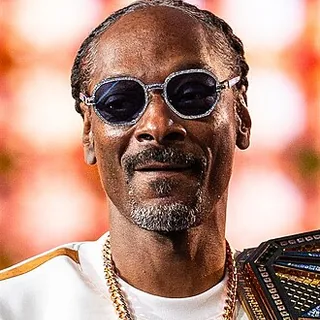 Snoop Dogg — Rapper and entertainer. His relaxed public style and broad collaborations offer a comparison with sociability, adaptability and the ability to connect across different settings.
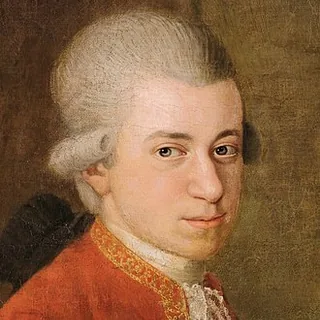 Wolfgang Amadeus Mozart — Composer. His prolific, lively music offers a historical artistic comparison with creative pleasure and responsiveness rather than a confirmed private assessment.
 Ringo Starr — Musician. His collaborative role and public emphasis on peace offer an illustration of contributing to a group without always seeking the most prominent position.
 Marie Antoinette — Queen of France. Her historical association with sociability and court life offers a limited comparison, complicated by political caricature and incomplete evidence.
 Conan O'Brien — Comedian and presenter. His collaborative improvisation illustrates enjoyment created through responsive engagement with guests, colleagues and an audience.
 Chris Martin — Singer-songwriter. His emphasis on shared concert experiences offers an illustration of connection, encouragement and the wish to create an uplifting atmosphere.
Fictional Characters Associated with 279
 Aang — Avatar: The Last Airbender (2005). His playful openness and preference for reconciliation coexist with the challenge of accepting responsibilities he cannot simply avoid.
 Iroh — Avatar: The Last Airbender (2005). His patient companionship and enjoyment of ordinary pleasures illustrate support that can remain gentle without becoming directionless.
 Rapunzel — Tangled (2010). Her enthusiasm for discovery connects a wish for new experiences with warmth and a strong desire for meaningful human contact.
 Anna — Frozen franchise. Her energetic search for connection illustrates optimism and loyalty, alongside the need to distinguish genuine closeness from reassuring appearances.
 Mabel Pines — Gravity Falls. Her enthusiasm and imaginative sociability illustrate the Peacemaker family's warmth, while change tests her wish to keep a familiar world intact.
 Patrick Star — SpongeBob SquarePants. His relaxed enjoyment and friendship offer a comic illustration of comfort and belonging, including the limitations of avoiding unnecessary effort.
 Michael Scott — The Office (US). His wish for everyone to feel like a family illustrates connection-seeking that can become intrusive when reassurance matters more than listening.
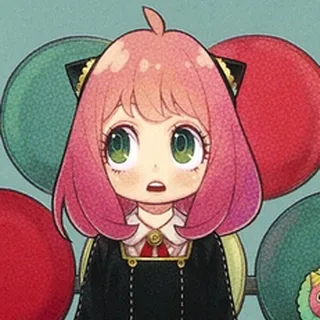 Anya Forger — Spy × Family. Her playful efforts to keep her adopted family together illustrate belonging, imaginative possibility and sensitivity to the bonds around her.
 Barbie — Barbie (2023). Her journey moves from an apparently harmonious world towards a more complex understanding of choice, connection and an individual life.
 Kronk — The Emperor's New Groove franchise. His amiable cooperation and enjoyment of everyday pursuits offer a comic example of warmth that needs a clearer personal direction.
Sources and scope
The Enneagram Tritype framework is attributed to Katherine Chernick Fauvre. This independent educational guide is not affiliated with or endorsed by Fauvre. It describes a theoretical framework for reflection; it is not a validated assessment, diagnosis or population study.
_(cropped).jpg)
_(52982678051)_(cropped_2).jpg)

.jpg)
_(cropped).jpg)

_exclusive_interview_0-14_screenshot_(portrait_crop).jpg)


.jpg)


