The 269 label identifies the unordered Enneagram family formed by Types 2, 6 and 9, not a specific ordered result. The Good Samaritan family combines these three types: the Helper from the Heart centre, the Loyalist from the Head centre and the Peacemaker from the Gut centre. Within the Tritype framework, these three types form a broader personality archetype characterised by helpfulness, interpersonal concern, loyalty, reassurance and a strong desire to create stability within relationships.
The Good Samaritan is typically described as someone who pays close attention to what other people need, values dependable bonds and prefers to reduce unnecessary conflict rather than intensify it. This does not mean that every 269-family personality is uniformly soft, passive or sociable, but the combination generally directs considerable psychological energy towards maintaining connection and making the surrounding environment feel safer and more manageable.
The Good Samaritan can appear in six possible stacking orders: 269, 296, 629, 692, 926 and 962. Each contains the same three underlying Enneagram types, but the ordering indicates which type leads the overall pattern and which of the remaining two has greater secondary influence. A Two-led Good Samaritan may therefore appear more visibly caring, relational and eager to be useful, while a Six-led version may seem more dutiful, vigilant and concerned with trust. A Nine-led Good Samaritan can appear quieter and more understated, expressing the same underlying concern for people through patience, steadiness and a preference for keeping relationships intact rather than through overt caretaking.
Despite these differences, the six stackings share a common structure. Type 2 contributes the wish to be helpful, emotionally responsive and positively connected with others. Type 6 contributes loyalty, responsibility, vigilance and concern with whether relationships and social structures can be trusted. Type 9 contributes patience, accommodation and a strong preference for reducing tension. Together, these tendencies can produce a person who naturally notices where support is needed and often feels motivated to provide it. The archetype's characteristic kindness is therefore not simply a matter of being agreeable. It emerges from a more complex interaction between the desire to care for people, the desire to preserve dependable bonds and the desire to prevent conflict from unnecessarily damaging those bonds.
Looking for a particular stacking order?
269 — Two-led · 296 — Two-led · 629 — Six-led · 692 — Six-led · 926 — Nine-led · 962 — Nine-led
The Good Samaritan at a Glance
| Feature | Description |
|---|---|
| Archetype | The Good Samaritan |
| Family code | 2 · 6 · 9 |
| Possible orders | 6 |
| Centres | Heart (2) · Head (6) · Gut (9) |
| All six orders | 269 · 296 · 629 · 692 · 926 · 962 |
| Theoretical Dynamics | Compliant overlap (2,6) · Attachment overlap (6,9) · Positive Outlook overlap (2,9) |
| Core Tendency | Supporting people and relationships through helpfulness, loyalty and harmony |
| Central Tension | Caring for others while maintaining enough independence and self-definition |
| Characteristic Strength | Warm, dependable and socially stabilising support |
| Potential Blind Spot | Self-neglect, conflict avoidance or excessive dependence on relational security |
How Common Is the Good Samaritan Tritype?
There are currently no large, representative population datasets that allow the prevalence of the Good Samaritan Tritype or its six individual stacking orders to be estimated reliably. This is an important limitation because claims about Tritype frequency often circulate with much more confidence than the available evidence justifies. Unlike major trait models such as the Big Five, which have been examined across very large psychometric samples, Enneagram and Tritype prevalence claims are usually based on self-selected online test takers, practitioner experience, personality communities or relatively small collections of enthusiasts. Such sources may be interesting for describing the people who participate in them, but they do not provide a strong basis for estimating how common a personality pattern is across the wider population.
The Good Samaritan may sometimes be described within Enneagram communities as a relatively approachable or socially recognisable combination because all three of its component types are theoretically concerned, in different ways, with maintaining relationships. Type 2 is oriented towards interpersonal usefulness, Type 6 towards dependable attachment and Type 9 towards stable connection with minimal unnecessary conflict. That theoretical coherence can make the archetype feel intuitively familiar, but familiarity is not the same thing as prevalence. There is no sound basis at present for claiming that the Good Samaritan represents a particular percentage of the population, that one of its six stackings is especially common, or that a person has a calculable probability of belonging to this family.
| Question | Current Position |
|---|---|
| Reliable population estimate? | None currently available |
| Representative prevalence dataset? | No |
| Six recognised stacking orders? | Yes |
| Confidence in exact frequency claims? | Low |
The most responsible approach is therefore to examine the theoretical personality structure associated with Types 2, 6 and 9 without attaching false numerical precision to the archetype. The Good Samaritan can still be discussed meaningfully as a pattern within Enneagram theory, but its prevalence should remain an open empirical question rather than being presented as established demographic fact.
What Does 269 Mean?
Tritype theory proposes that an individual uses one preferred Enneagram strategy from each of three traditional centres: Heart, Head and Gut. For the Good Samaritan, these are Type 2 from the Heart centre, Type 6 from the Head centre and Type 9 from the Gut centre. The significance of the combination lies not simply in placing three separate sets of traits next to one another, but in considering how these motives and coping strategies might interact. Type 2 brings an orientation towards helping, connection and usefulness. Type 6 brings concern with trust, security, loyalty and the dependability of people or systems. Type 9 brings a wish for stability, accommodation and reduction of unnecessary conflict.
| Component | Centre | Broad concern | Contribution to the Good Samaritan |
|---|---|---|---|
| 2 — Helper | Heart | Connection, usefulness and being valued | Warmth, responsiveness and practical care |
| 6 — Loyalist | Head | Security, trust and dependable support | Loyalty, vigilance and responsibility |
| 9 — Peacemaker | Gut | Harmony, stability and reduced conflict | Patience, accommodation and calming influence |
Taken together, these three tendencies create a personality pattern strongly oriented towards the social environment. A Good Samaritan may pay close attention to whether somebody needs encouragement, whether the people around them are getting along, whether promises have been kept, whether a group feels secure and whether a conflict can be resolved before it becomes destructive. The individual may therefore function as a kind of interpersonal maintenance system, quietly noticing problems and attempting to prevent them from becoming larger. What appears from the outside as simple kindness can contain several different motives at once: the wish to help, the wish to preserve trust and the wish to restore peace.
A useful shorthand is that Type 2 asks whether people are being cared for, Type 6 asks whether the situation is dependable and Type 9 asks whether connection can be preserved without unnecessary friction. Different Good Samaritan stackings place different emphasis on these concerns, but all three remain part of the broader pattern. This is one reason the archetype can look relationally focused even when the individual is not especially outgoing. The Good Samaritan may be introverted, socially selective or quiet while still investing enormous psychological importance in the wellbeing and continuity of a small number of meaningful relationships.
The Good Samaritan Personality
The defining feature of the Good Samaritan is the combination of care with relational stability. Type 2 creates an impulse to move towards people, particularly when somebody seems distressed, isolated or in need of practical help. The Two component can make the individual attentive to emotional cues and quick to notice where assistance might be useful. Rather than remaining detached from another person's difficulty, the Good Samaritan may instinctively ask what can be done. This helpfulness can be direct and visible, but it can also be expressed through small acts of maintenance: remembering what someone needs, checking that they are all right, keeping a promise, smoothing over a misunderstanding or simply making sure that nobody is left unsupported.
Type 6 adds a more dutiful and dependable dimension to this helpfulness. Support is not merely an expression of warmth; it can become tied to ideas of loyalty, responsibility and mutual obligation. The Good Samaritan may feel strongly that people should be able to rely on one another, particularly once trust has been established. This can create a personality that is not only caring but unusually consistent. The person may be the one who continues turning up after the novelty has faded, who checks the practical details other people overlook or who remains present when circumstances become uncomfortable. In healthy form, this gives the archetype a quietly impressive reliability that can make other people feel genuinely secure.
Type 9 then adds a preference for maintaining peace and reducing unnecessary emotional friction. This influence can make the Good Samaritan patient, approachable and relatively easy to talk to. Rather than immediately escalating disagreement, the person may look for the part of the problem that can be softened, translated or negotiated. In families, workplaces and friendship groups, this can make the Good Samaritan a stabilising presence. They may be the person who helps two sides understand each other, notices when tension has become disproportionate or prevents a minor disagreement from becoming a permanent rupture.
Being easy to rely on should not make your own needs disappear.
These three tendencies together can create a strong community orientation. The Good Samaritan may feel most useful when helping relationships and groups remain functional. There can be genuine satisfaction in knowing that everybody has been included, that somebody frightened has been reassured or that a difficult situation has been made more manageable. The individual may not necessarily seek recognition for this contribution, particularly in Nine-led forms, but may nonetheless become structurally important within their social environment. Some groups rely heavily on exactly this kind of invisible emotional and practical maintenance.
The central tension is that the same qualities that make the Good Samaritan supportive can also make self-assertion difficult. Type 2 may worry about becoming less useful or less appreciated, Type 6 may worry about damaging trust and Type 9 may worry about creating unnecessary conflict. The combined effect can be a tendency to accommodate long after the individual has become uncomfortable. A request that should have received a straightforward no may instead be accepted because refusal feels relationally costly. A disagreement that should be addressed directly may be softened, postponed or rationalised because preserving the atmosphere seems more important in the moment.
This can create a pattern in which the Good Samaritan appears calm and generous while gradually becoming depleted. The person may repeatedly make small concessions that seem insignificant individually but eventually form a large imbalance. Because the process is gradual, others may not even realise that the individual has reached a limit. The Good Samaritan may then feel hurt that nobody noticed the burden, while the people around them may genuinely have assumed that the situation was acceptable because no clear objection had been expressed.
For this reason, the developmental challenge of the Good Samaritan is not to become less caring. The healthier direction is to make care more deliberate and sustainable. This means recognising that boundaries do not necessarily damage relationships, that disagreement does not automatically imply abandonment and that helping someone is most valuable when it comes from genuine choice rather than fear of disappointing them. The strongest expression of the archetype therefore combines warmth with sufficient self-definition to prevent kindness from turning into chronic self-erasure.
How the Dominant Type Changes the Presentation
The Good Samaritan should not be imagined as one uniform personality style because the dominant type substantially changes how the same underlying ingredients are expressed. Two-led Good Samaritans — 269 and 296 — are likely to place the greatest initial emphasis on interpersonal connection, usefulness and emotional responsiveness. They may notice quickly when somebody needs support and can be more visibly nurturing than the other variants. Their Six and Nine influences give this Two pattern a more loyal, cautious and peace-seeking quality, meaning that relationships may be treated not simply as opportunities for connection but as important structures that should be maintained and protected.
Six-led Good Samaritans — 629 and 692 — are more likely to organise the pattern around trust, reliability and the question of whether people can depend upon one another. Their helpfulness may therefore feel more practical and dutiful than overtly nurturing. They may express care by checking details, making sure plans are safe, fulfilling promises and standing by people during difficult periods. Two adds interpersonal warmth, while Nine helps prevent vigilance from becoming unnecessarily confrontational.
Nine-led Good Samaritans — 926 and 962 — may appear quieter, less intrusive and more accommodating. They can support people almost by creating an atmosphere in which others feel accepted and able to settle. Their contribution may be less visible because the individual is often not trying to occupy a central position. Two adds attentiveness to emotional needs and Six adds loyalty and concern with dependable relationships. These variants may therefore underestimate how much their steadiness matters to the people around them because much of their influence operates indirectly.
Inner Dynamics in Enneagram Theory
The internal structure of the Good Samaritan becomes clearer when Types 2, 6 and 9 are considered through several of the broader classifications used within Enneagram theory. These groupings should be understood as elements of the Enneagram's theoretical framework rather than independently established psychological mechanisms, but they can still help explain why the 2–6–9 combination is described as especially concerned with support, security and social harmony. Three overlaps are particularly relevant: the Compliant connection between Types 2 and 6, the Attachment connection between Types 6 and 9, and the Positive Outlook connection between Types 2 and 9.
The Compliant Overlap: Types 2 and 6
Types 2 and 6 are both commonly placed within the Enneagram's Compliant or Dutiful grouping. The term does not simply mean passive obedience. It refers more broadly to an orientation towards what should be done, what obligations exist and how the individual relates to expectations within a social or moral environment. Type 2 often approaches this through helping: if someone matters, what can I do for them? Type 6 approaches it through loyalty and responsibility: if people depend upon one another, what commitments must be honoured?
When these two strategies combine, the Good Samaritan can develop a particularly strong sense of interpersonal obligation. The individual may feel that abandoning someone in genuine difficulty is almost unthinkable, especially when an existing bond of loyalty is involved. This can be one of the archetype's greatest strengths because many situations require exactly the kind of person who will still be there when helping stops being convenient. The Good Samaritan can therefore be exceptionally valuable during illness, family problems, crises or periods of uncertainty because their loyalty is often expressed through practical persistence rather than merely through reassuring words.
The difficulty is that responsibility can easily expand beyond its proper boundaries. A person who is already inclined to help may start treating other people's problems as personal duties, particularly if saying no produces guilt. Two can suggest that love is demonstrated through usefulness, while Six can suggest that good people fulfil their obligations. Together, these beliefs can make refusal feel morally suspect even when the request is unreasonable. Growth therefore requires a distinction between being dependable and being endlessly available. A mature Good Samaritan does not abandon responsibility; they become more accurate about which responsibilities genuinely belong to them.
The Attachment Overlap: Types 6 and 9
Types 6 and 9 are both placed within the Enneagram's Attachment grouping. Within this framework, both types are thought to pay considerable attention to the surrounding environment and to adapt themselves, in different ways, to the people or structures on which they depend. Type 6 looks outward partly to assess security and trust. It wants to know who is reliable, what the risks are and whether there is a dependable framework in place. Type 9 looks outward in order to preserve connection and reduce disruption, often adjusting to the emotional atmosphere rather than asserting an incompatible agenda immediately.
Their overlap can give the Good Samaritan a strong sensitivity to changes within groups and relationships. The person may quickly notice that somebody has become distant, that tension is developing between two people or that a social arrangement is becoming unstable. This can amount to a genuine form of interpersonal intelligence because the individual is often attentive to subtleties that others overlook. They may recognise that a conversation requires reassurance, that somebody feels excluded or that a conflict is about to become more serious unless someone intervenes.
The same sensitivity can become problematic when adaptation turns into excessive self-adjustment. If belonging and security are treated as priorities that must be protected at all costs, the individual may become less certain about their own independent preferences. Decisions can become difficult because the person is unconsciously trying to calculate what will preserve stability for everybody rather than simply asking what they themselves want. This is particularly relevant for Nine-led and Six-led variants, where the need to remain connected can become stronger than the willingness to tolerate temporary interpersonal disruption.
Healthy development involves learning that attachment does not require continual accommodation. A secure relationship can contain disagreement, separate preferences and even periods of frustration without collapsing. The Good Samaritan becomes psychologically stronger when they can remain connected to people while also maintaining enough internal definition to say, in effect, "I care about you, but I still have my own position."
The Positive Outlook Overlap: Types 2 and 9
Types 2 and 9 are commonly placed within the Enneagram's Positive Outlook harmonic grouping. Both can be inclined to look for what is workable, reassuring or hopeful in a difficult situation, although they do so in different ways. Type 2 may respond to distress by moving towards the person and offering practical or emotional support. Type 9 may respond by lowering the emotional temperature, broadening perspective or communicating that the situation does not have to become catastrophic.
Together, these tendencies can give the Good Samaritan a soothing quality. The individual may be particularly good at making people feel that they are not facing a problem alone. They can often help by reducing panic without dismissing the problem entirely, and their presence may create the sense that something difficult can be handled one step at a time. This is one reason the archetype can be especially valuable in emotionally unsettled environments.
The difficulty arises when reassurance becomes avoidance. A genuine conflict may be reframed as "not worth worrying about," or anger may be softened before it has been properly understood. The person may encourage everybody to move on because restoring a pleasant atmosphere feels more urgent than examining why the conflict occurred. Six complicates this tendency because Six is more sensitive to risk and uncertainty. The Good Samaritan may therefore oscillate between noticing everything that could go wrong and then trying to convince themselves that the issue probably is not serious.
In healthy form, this tension can actually become a strength. Six prevents the Positive Outlook tendencies of Two and Nine from becoming completely naïve, while Two and Nine prevent Six's vigilance from dominating the entire personality. The result can be a person who is capable of seeing problems clearly while still remaining fundamentally constructive.
Strengths and Potential Blind Spots
Likely Strengths
One of the Good Samaritan's most characteristic strengths is dependable compassion. The combination of Types 2 and 6 can make helping unusually persistent. Many people are supportive when circumstances are easy, but the Good Samaritan may remain involved when another person's difficulty becomes inconvenient, repetitive or emotionally demanding. Nine contributes patience, which can make this support less demanding in return. The result may be someone who quietly provides continuity through difficult periods and who is remembered not for dramatic interventions but for simply continuing to show up.
- The archetype can also be highly effective at social stabilisation. Because Two notices emotional needs, Six monitors trust and Nine notices disruptive tension, the Good Samaritan may understand group dynamics without necessarily conceptualising them formally. They can often sense when somebody needs to be included, when reassurance would prevent unnecessary panic or when a disagreement can be resolved before positions become entrenched. This makes the individual useful in families, workplaces and communities where the maintenance of relationships is itself an important form of work.
- Another strength is practical loyalty. The Good Samaritan may demonstrate affection through action rather than through declarations. They may remember responsibilities, help organise something others neglected or defend a friend when the person is absent. This form of loyalty can be quiet enough to be overlooked, but it often produces relationships with substantial depth because people gradually learn that the individual can be relied upon.
- The Good Samaritan can also be unusually approachable. The combination generally contains less theoretical incentive towards domination or status competition than some other Tritypes. This can make other people feel safe enough to disclose uncertainty, embarrassment or vulnerability. The person may therefore become an informal confidant even when they have not deliberately sought that role.
These strengths are particularly valuable because they contribute to the forms of social functioning that are easy to underestimate. Groups do not survive only because of leaders, high performers or strong personalities. They also survive because somebody notices who is struggling, preserves continuity, remembers obligations and prevents minor misunderstandings from becoming permanent fractures. The Good Samaritan can be exceptionally good at that quieter form of social maintenance.
Potential Blind Spots
The most obvious difficulty is self-neglect through excessive accommodation. When Type 2 wants to help, Type 6 wants to remain dependable and Type 9 wants to avoid creating unnecessary conflict, the individual's own priorities can gradually become secondary. The process may not feel dramatic. Instead, the person simply agrees to one additional favour, accepts one more inconvenience or decides that expressing one more preference is not important enough to risk tension.
Over time, this can create resentment. The Good Samaritan may feel that they are always the person making accommodations while other people take their effort for granted. Yet because the individual often avoids stating their limits clearly, the imbalance can be partly invisible to everyone else. Other people may genuinely believe that the arrangement is acceptable because they have never been told otherwise.
Conflict avoidance is therefore another central risk. The Good Samaritan can sometimes deal with disagreement effectively when helping two other people resolve a problem, yet find it considerably harder to state their own dissatisfaction. Anger may feel especially difficult because it threatens the very things the archetype values: connection, trust and peace. The person may consequently suppress irritation until it becomes much stronger than it would have been if addressed earlier.
Reassurance dependence can also become important, particularly in Six-led forms. When an important relationship feels uncertain, the person may look for repeated signs that everything remains intact. Two's concern with connection and Nine's dislike of disruption can reinforce the desire for reassurance, creating a cycle in which temporary uncertainty becomes difficult to tolerate.
A further blind spot involves indirect expectations. Someone who repeatedly offers substantial support may come to expect similar treatment from other people without ever explicitly negotiating that reciprocity. If others do not respond in the same way, the Good Samaritan may feel hurt or undervalued. The developmental challenge is to recognise that genuine generosity and clear expectations can coexist. It is possible to be kind without pretending that one's own needs do not matter.
Relationships and Communication
Relationships often occupy a central place in the Good Samaritan's psychological world because Types 2, 6 and 9 all place considerable importance on connection, although for different reasons. Type 2 wants to feel useful and valued within relationships, Type 6 wants relationships to be trustworthy and dependable, and Type 9 wants continuity without unnecessary disruption. The result is often a personality that cares deeply not only about whether relationships exist but about whether they feel safe, reciprocal and stable.
The Good Samaritan may therefore prefer relationships in which reliability matters more than superficial excitement. Trust can become especially important. A person who is charming but inconsistent may be less appealing than somebody quieter who repeatedly demonstrates that they can be depended upon. This does not mean the archetype lacks warmth or spontaneity, but underlying security often determines whether the relationship feels genuinely satisfying.
In close relationships, the Good Samaritan can be highly attentive. The person may notice subtle changes in mood, remember small practical details and offer help before it is formally requested. Partners, friends and relatives may experience this as thoughtful and reassuring because the individual frequently demonstrates care through accumulated acts rather than occasional gestures.
A clear boundary can make a relationship more secure.
The challenge appears when that attentiveness turns into over-monitoring. If someone important becomes distant, the Good Samaritan may devote considerable energy to interpreting what has changed. Type 2 may wonder whether they have become less valued, Type 6 may question whether the relationship remains secure and Type 9 may urgently want the atmosphere restored. The individual can therefore become preoccupied with relational ambiguity even when they appear calm externally.
Communication style varies according to stacking. Two-led Good Samaritans may be warmer and more expressive, often preferring direct reassurance and emotional engagement. Six-led variants may communicate care through practical advice, checking details and making themselves reliably available. Nine-led variants may be quieter and more receptive, giving other people space to speak while providing a steady sense of acceptance.
Across the family, however, there is often a tendency to soften negative messages. The Good Samaritan may phrase criticism so gently that the other person does not realise how important the issue actually is. This can create a paradox in which the individual avoids directness in order to preserve harmony, but the lack of clarity eventually produces more tension because the underlying problem remains unresolved.
A useful developmental principle is therefore that clarity can support harmony rather than threaten it. Respectfully stating a boundary often makes a relationship more secure because both people understand the terms of the connection. The Good Samaritan becomes more effective when kindness is combined with sufficient directness to prevent unspoken resentment from accumulating.
Work and Career Preferences
The Good Samaritan may be particularly comfortable in work that provides opportunities for service, cooperation, dependability and constructive human contact. This does not mean that everyone with this Tritype belongs in a caring profession. The broader pattern concerns whether the work allows the individual to use their strengths in support, coordination and relationship maintenance in a meaningful way.
- Two-led Good Samaritans may be drawn towards environments where interpersonal responsiveness is central. Healthcare, teaching, counselling, social care, human resources, community work, customer support and charitable organisations can all provide obvious outlets for the desire to help. Such careers may be satisfying when the individual can see that their effort improves someone's actual experience rather than simply fulfilling an abstract organisational target.
- Six-led Good Samaritans may place greater value on reliability, structure and protecting people from preventable problems. They may therefore be effective in public services, administration, compliance, healthcare coordination, technical support, education or organisational operations. Their contribution can lie in anticipating what might go wrong and then putting practical support in place before it does.
- Nine-led Good Samaritans may thrive in roles requiring patience, mediation and steady interpersonal support. They can be effective wherever someone needs to keep communication functioning, prevent minor disputes from escalating or provide continuity across groups with competing needs. Their strengths may be less visible than those of a highly assertive colleague, but they can substantially improve the functioning of an organisation.
The archetype can also appear in highly technical or analytical careers. A Good Samaritan who works in software, engineering, research or finance may express the same pattern through being the colleague who explains systems clearly, helps others when they are stuck, documents processes properly or notices when a team member is becoming overwhelmed. The personality pattern concerns style and motivation rather than a narrow occupational category.
The main occupational risk is overuse. Dependable people are often given additional work precisely because they rarely refuse it. The Good Samaritan can therefore become the person who absorbs tasks other employees avoid. Unless boundaries are developed, the same qualities that initially make the individual highly valued can eventually produce burnout.
Learning to communicate capacity clearly is therefore important. Statements such as "I can help, but not today" or "I can take this on if something else moves" can preserve cooperation without turning the individual into an unlimited resource. The goal is not to stop being helpful, but to make helpfulness sustainable enough that it remains a genuine strength.
Stress and Growth
Under prolonged stress, the Good Samaritan's characteristic strengths can become exaggerated. Helpfulness can turn into compulsive caretaking, vigilance can become chronic worry and peacemaking can become avoidance. Because the archetype is strongly relationship-oriented, uncertainty within important bonds may be especially destabilising. The person may become highly sensitive to signs that somebody is unhappy, withdrawing or becoming unreliable.
A common pattern begins with increased concern. The Good Samaritan notices tension and responds by helping more, reassuring more or making further concessions. If these efforts fail to restore security, the Six component may become increasingly vigilant. The individual begins examining small cues, changes in tone, delays in communication or inconsistencies that might indicate a deeper problem.
At the same time, Nine may discourage direct confrontation because asking the difficult question could make the situation more tense. The person therefore accumulates more uncertainty while obtaining less real information. Two can then respond by trying even harder to restore connection, creating a cycle in which the individual becomes progressively more invested in solving a relationship problem that may not be entirely theirs to solve.
This can produce a stress sequence in which concern leads to over-helping, over-helping weakens boundaries, weak boundaries create exhaustion and exhaustion eventually produces resentment. The resentment may then generate guilt because the Good Samaritan does not want to feel angry at someone they care about. Instead of expressing the anger directly, the individual may suppress it and attempt to become even more supportive, thereby restarting the cycle.
Dominant type changes the details. A Two-led Good Samaritan may become increasingly focused on being useful or needed. A Six-led version may become more preoccupied with loyalty, possible risks and whether other people can still be trusted. A Nine-led version may retreat into passivity, distraction or emotional numbness while continuing to avoid the confrontation that could clarify the situation.
Growth involves developing greater tolerance for relational discomfort. The Good Samaritan benefits from learning that disagreement does not automatically mean rejection, that saying no does not automatically make someone selfish and that another person's disappointment is not always a problem that must immediately be repaired. This can initially feel counterintuitive because the archetype is accustomed to treating harmony as a sign that relationships are functioning properly.
A healthier Good Samaritan still helps people, but the help becomes more intentional. The person asks whether support has actually been requested, whether it is sustainable and whether providing it encourages healthy responsibility rather than dependence. They also become more willing to notice their own preferences before adapting automatically to other people.
Care becomes more sustainable when it is requested, chosen and realistically limited.
The strongest expression of the archetype is therefore not someone who never causes inconvenience or conflict. It is someone who can remain compassionate, loyal and cooperative while also remaining psychologically present as a separate person with needs, limits and opinions of their own.
The Six Good Samaritan Stackings
The six Good Samaritan stackings contain the same three Enneagram types, but their order is intended to describe which strategy is given priority. The first number represents the dominant or core type, the second represents the more prominent of the two remaining centre strategies, and the third occupies the tertiary position. The differences are therefore differences of emphasis rather than entirely separate personality structures.
| Stacking | Lead Type | Secondary Emphasis | Typical Presentation |
|---|---|---|---|
| 269 | Two | Six | Relationship-led, helpful, responsible and reassuring |
| 296 | Two | Nine | Relationship-led, gentle, accommodating and peace-seeking |
| 629 | Six | Two | Security-led, supportive, loyal and people-focused |
| 692 | Six | Nine | Security-led, cautious, cooperative and stabilising |
| 926 | Nine | Two | Harmony-led, caring, receptive and quietly helpful |
| 962 | Nine | Six | Harmony-led, dependable, cautious and steady |
The Two-Led Good Samaritans: 269 and 296
For both 269 and 296, Type 2 provides the core orientation. Connection, usefulness and responsiveness therefore tend to come first. These variants are often the most visibly nurturing members of the Good Samaritan family because their first instinct is to move towards people rather than primarily towards security or peace. The distinction between the two lies in whether Six or Nine comes forward more strongly after the Two core.
269 — Two → Six → Nine
In 269, Type 6 follows the dominant Two, so the desire to help is closely connected with loyalty, responsibility and trust. The person may not simply want to be useful; they may feel that people who matter should be able to depend upon them. This can make the 269 especially reliable in ongoing relationships. They may remember promises, worry about letting people down and show care through consistency rather than through warmth alone.
The secondary Six influence can also make the 269 more vigilant than the softer outward presentation initially suggests. The person may notice potential problems, check whether people are safe or worry about the stability of important relationships. Nine moderates this vigilance by adding patience and a preference for avoiding unnecessary conflict. The result can be someone who is attentive and responsible without being overtly forceful.
Compared with the 296, the 269 is theoretically more likely to emphasise trust, reliability and duty. The broad pattern can be summarised as connection first, loyalty second and harmony third. The developmental challenge is recognising that loyalty does not require constant availability and that being dependable does not mean taking responsibility for every difficulty faced by the people one cares about.
296 — Two → Nine → Six
In 296, Type 9 follows the dominant Two, so the desire for connection is shaped more strongly by gentleness, acceptance and interpersonal calm. The person may express care by making people feel comfortable, welcomed and understood. Compared with the 269, the 296 can appear more relaxed and less visibly vigilant, although the underlying Six component still contributes loyalty and concern with security.
The secondary Nine influence may make the 296 especially resistant to unnecessary conflict. Helping can become a way of preserving connection and ensuring that nobody feels excluded or distressed. This can create a very warm and soothing personality, but it can also increase the temptation to hide personal dissatisfaction in order to avoid upsetting the atmosphere.
Six remains part of the pattern and can introduce caution beneath the calm surface. The broad orientation is therefore connection first, harmony second and security third. The difference between 269 and 296 is not that one cares more than the other. The distinction is that the 269 is theoretically somewhat more oriented towards loyalty and responsibility, while the 296 is somewhat more oriented towards peace and accommodation.
The Six-Led Good Samaritans: 629 and 692
Both 629 and 692 begin with Type 6, meaning that security, trust and dependable relationships provide the central organising theme. These variants may appear slightly less overtly nurturing than Two-led Good Samaritans, but their interpersonal commitment can be equally strong. Their care is often expressed through reliability, preparation, responsibility and willingness to remain involved when circumstances become difficult.
629 — Six → Two → Nine
In 629, Type 2 follows the dominant Six, so the primary concern with trust and security is closely linked with active interpersonal support. The individual may try to strengthen relationships by becoming useful, available and practically helpful. Loyalty can become personal and concrete: rather than merely belonging to a dependable group, the 629 may want specific people to know that they can rely upon them.
This can create a strongly service-oriented Six. The person may anticipate problems and then attempt to solve them for the benefit of others. Worry can be channelled into checking, organising, advising or providing practical assistance. Nine remains present and helps soften the pattern, creating a preference for maintaining cooperation rather than confronting every concern aggressively.
Compared with the 692, the 629 may appear somewhat warmer and more personally involved because Two occupies the secondary position. The broad orientation can be summarised as security first, helpfulness second and harmony third. The risk is that the person begins treating service as proof of loyalty and finds it difficult to believe that relationships can remain secure without continual usefulness.
692 — Six → Nine → Two
In 692, Type 9 follows the dominant Six. Security and trust remain primary, but they are pursued through a more calming, cooperative and stabilising style. The person may prefer familiar people, predictable structures and environments where uncertainty can be managed without constant confrontation.
The secondary Nine influence can soften the visible anxiety of Six. The individual may experience substantial internal uncertainty while still appearing outwardly composed and agreeable. Two remains part of the pattern and contributes warmth and willingness to help, but the help may be less immediately expressive than in the 629.
Compared with the 629, the 692 may place somewhat greater emphasis on maintaining stability than on actively moving towards another person's emotional needs. Support can take the form of staying present, listening, cooperating and preventing unnecessary disruption. The broad orientation becomes security first, harmony second and helpfulness third. The danger is excessive hesitation when avoiding conflict and avoiding risk begin to outweigh the need for decisive action.
The Nine-Led Good Samaritans: 926 and 962
Both 926 and 962 begin with Type 9, so harmony, continuity and reduced interpersonal friction form the primary orientation. These can be among the most understated expressions of the Good Samaritan because the individual's contribution often consists of creating a stable environment rather than visibly taking charge. Their value may become most obvious when they are absent.
926 — Nine → Two → Six
In 926, Type 2 follows the dominant Nine. The desire for harmony is therefore closely linked with caring for people and helping them feel accepted. This can create an especially gentle and receptive version of the Good Samaritan. The person may offer reassurance without intruding, support people quietly and attempt to make the surrounding atmosphere emotionally comfortable.
Two's secondary influence makes interpersonal warmth relatively visible. Compared with 962, the 926 may seem somewhat more nurturing, emotionally attentive or personally responsive. Six contributes loyalty and concern with security in the tertiary position, adding a layer of dependability beneath the softer Nine–Two presentation.
The broad orientation becomes harmony first, care second and security third. The main developmental challenge is making sure that concern for other people does not become another route through which the individual avoids recognising personal priorities or anger.
962 — Nine → Six → Two
In 962, Type 6 follows the dominant Nine. Harmony remains primary, but the secondary Six influence gives greater emphasis to caution, reliability and maintaining secure structures. The person may appear somewhat more reserved or careful than the 926, particularly in unfamiliar or uncertain environments.
The 962 may want peace, but not at the price of ignoring practical risks. Six encourages attention to what could destabilise the environment and may make the person more careful about whom they trust. Two remains important in the tertiary position and contributes kindness and willingness to help, ensuring that the overall pattern remains relational rather than merely cautious.
Compared with 926, the 962 may therefore appear somewhat more dutiful, restrained or routine-oriented. The broad orientation becomes harmony first, security second and care third. Both remain fundamentally Nine-led Good Samaritans, but the secondary influence determines whether interpersonal warmth or dependable caution comes forward more readily.
Wings and Other Secondary Influences
The dominant type of each Good Samaritan stacking can be modified further by wings and other secondary features within Enneagram theory. Because the family contains three possible dominant types, there is no single wing distinction that applies to all Good Samaritans. Instead, the wing modifies the dominant strategy and can noticeably change the outward tone of the archetype.
A Two-led Good Samaritan may show stronger influence from Type 1 or Type 3. A stronger One wing may make the person's helpfulness more restrained, principled and duty-oriented, while a stronger Three wing can add greater social confidence, initiative and concern with being effective. A Six-led Good Samaritan may show stronger Five- or Seven-wing qualities, with Five potentially making the person more reserved and analytical and Seven producing a more sociable or optimistic presentation. A Nine-led Good Samaritan may show stronger Eight or One influence, with Eight increasing firmness and willingness to confront disruption and One adding conscientiousness, structure and concern with doing what is correct.
These modifiers can affect presentation considerably without changing the underlying 2–6–9 combination. A firm Nine-led Good Samaritan and a highly accommodating Nine-led Good Samaritan may therefore belong to the same Tritype family while feeling quite different interpersonally. Wings are best treated as secondary modifiers rather than separate Tritype archetypes, adding nuance after the broader family and stacking order have already been established.
Related Tritype Archetypes
Comparing the Good Samaritan with nearby Tritype families can help clarify which parts of the personality pattern are contributed by each component. The 259 Problem Solver retains Types 2 and 9 but replaces Six with Type 5. Both archetypes can therefore share helpfulness, receptivity and an interest in reducing interpersonal friction, but the Head strategy changes significantly. Five introduces more distance, analysis and intellectual self-sufficiency, whereas Six brings stronger concern with trust, loyalty and reliable attachment. The 259 may therefore appear more reserved or analytical, while the Good Samaritan family is theoretically more focused on maintaining dependable bonds.
The 268 Rescuer retains Types 2 and 6 but replaces Nine with Type 8. Much of the Good Samaritan's helpfulness and loyalty remains, but the Gut strategy becomes more forceful. Where the Good Samaritan often attempts to reduce conflict, the 268 is theoretically more willing to confront threats directly and intervene assertively when somebody needs defending. Comparing the two makes the contribution of Type 9 especially clear: Nine gives the 269 family much of its softer, more peace-seeking quality.
The 369 Mediator retains Types 6 and 9 but replaces Two with Type 3. Security, attachment and social adaptation therefore remain important, but the Heart strategy changes from helping and relational usefulness towards effectiveness, achievement and social role. The Good Samaritan is theoretically more likely to emphasise direct support and interpersonal care, whereas the 369 may place greater weight on functioning effectively within the surrounding environment.
These comparisons show that the Good Samaritan is more specific than a generic description of a pleasant or agreeable person. Its distinctive character comes from the interaction of Two's helpfulness, Six's loyalty and Nine's stabilising tendency.
The Good Samaritan and the Big Five
The Enneagram and Big Five describe personality through fundamentally different models, so there is no direct conversion between the Good Samaritan Tritype and any particular Big Five profile. Comparisons between the systems should therefore be treated as descriptive rather than statistical.
The most obvious conceptual overlap concerns Agreeableness. The Good Samaritan's supportive, cooperative and harmony-oriented style may resemble aspects of higher Agreeableness, particularly compassion and willingness to accommodate other people. However, Agreeableness is broader than kindness alone, and actual scores could vary considerably. A Good Samaritan could still be sceptical, assertive or blunt in certain contexts.
Neuroticism is more difficult to generalise. The Six component can introduce worry, vigilance and sensitivity to uncertainty, which may resemble aspects of higher Neuroticism in some individuals. Yet Nine may create a much calmer outward presentation, and many Good Samaritans may function with substantial emotional stability in ordinary circumstances.
Extraversion could vary especially widely. A socially energetic 269 could be relatively extraverted, whereas a quiet 962 could be strongly introverted. Relationship orientation should therefore not be confused with sociability. Someone can care deeply about maintaining close bonds while preferring limited social stimulation.
Conscientiousness may be relatively high in some Six-led Good Samaritans because duty, reliability and keeping promises can become important themes. Other individuals may be more relaxed or less structured, particularly where Nine's tendency towards low urgency is strong. Openness to Experience is even less clearly connected with the archetype and could vary substantially.
The Good Samaritan and 16-Type Systems
The Good Samaritan can resemble several descriptions found within Jungian and MBTI-style personality systems, particularly profiles that emphasise interpersonal support, conscientiousness and social harmony. These similarities should nevertheless remain loose because the systems are built around different theoretical assumptions.
Two-led Good Samaritans may sometimes identify with ESFJ or ENFJ descriptions where warmth, interpersonal attentiveness and responsibility are especially visible. More introverted Two-led individuals could identify with ISFJ or INFJ patterns while retaining the same basic Tritype structure.
Six-led Good Samaritans may sometimes recognise aspects of ISFJ or ESFJ descriptions because loyalty, caution and conscientious support can be prominent. Yet there is no reason to assume that every Six-led Good Samaritan will belong to a Feeling type or even to an introverted profile. Individual cognitive style can differ considerably.
Nine-led Good Samaritans may identify with ISFJ, ISFP, INFJ or INFP descriptions when gentleness, receptivity and conflict avoidance are prominent. Again, these are similarities of presentation rather than direct mappings.
The important distinction is that Enneagram theory is primarily concerned with motivations, recurring fears and defensive strategies, while Jungian and MBTI-style systems organise personality using a different conceptual framework. A 269 is therefore not automatically ESFJ, and an ESFJ should not automatically be expected to belong to the Good Samaritan family.
Treating the systems as separate perspectives preserves the distinctions that make each framework useful. The Good Samaritan describes one possible motivational pattern involving care, security and harmony, while a 16-type system attempts to capture other dimensions of psychological preference.
The Good Samaritan in One Sentence
The 269 Good Samaritan Tritype combines interpersonal warmth, dependable loyalty and a strong preference for harmony into a personality that seeks to make life safer, kinder and more manageable for the people around them while preserving connection and trust.
Famous People and Fictional Characters Associated with 269
These examples offer illustrative comparisons with the 269 family, not confirmed personality assessments. The family includes all six orders of its three types; an example need not use the ascending 269 order. A public career or fictional story cannot establish someone's private motivations. Fictional examples refer to the works or versions named below, and are illustrations rather than role models.
Famous People Associated with 269
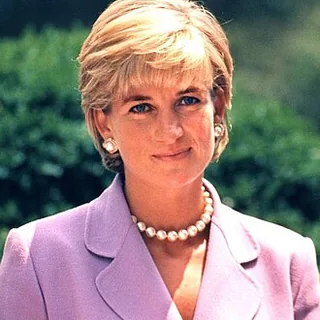 Diana, Princess of Wales — Humanitarian and member of the British royal family. Her public engagement with vulnerable groups illustrates care expressed through personal contact and visible involvement.
 Olivia Rodrigo — Singer-songwriter. Her emotionally direct work offers an artistic illustration of sensitivity to connection, uncertainty and how relationships change.
 Tom Hiddleston — Actor. His public humanitarian involvement offers a limited comparison with supportive engagement, distinct from the motivations of his fictional roles.
 Selena Gomez — Singer, actor and producer. Her public discussion of wellbeing and support illustrates the use of a visible platform to reduce isolation.
 Pedro Pascal — Actor. His supportive public presentation offers a limited illustration of warmth and interpersonal loyalty, not confirmation of his private motivations.
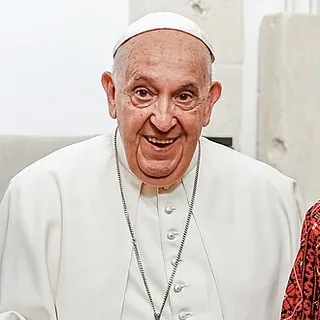 Pope Francis — Religious leader. His public emphasis on care for marginalised people illustrates service and concern for maintaining human connection across institutional boundaries.
 Terry Crews — Actor and former athlete. His public advocacy and conversations about vulnerability illustrate support that makes room for asking for help.
 Julia Roberts — Actor. Her charitable involvement offers a comparison with using an established public platform to contribute to others, rather than proof drawn from a screen persona.
 Ed Sheeran — Singer-songwriter. His relationship-focused writing offers an artistic illustration of attachment, familiarity and the importance of sustaining ordinary human bonds.
 Kristen Bell — Actor and advocate. Her public conversations about relationships and wellbeing offer a comparison with reassuring connection and openness about needing support.
Fictional Characters Associated with 269
 Peter Parker / Spider-Man — Marvel Cinematic Universe. His wish to help repeatedly meets the competing demands of loyalty, reassurance and responsibility to the people closest to him.
 Izuku Midoriya — My Hero Academia. His attention to other people's vulnerability illustrates support that becomes active even when he is unsure of his own capacity.
 Fluttershy — My Little Pony: Friendship Is Magic (2010). Her gentleness and growing willingness to set boundaries illustrate why kindness need not mean permanent self-erasure.
 Mike Ehrmantraut — Breaking Bad. His guarded care for family illustrates a morally compromised form of duty and protection, not an endorsement of his choices.
 Snow White — Snow White and the Seven Dwarfs (1937). Her nurturing presence offers a fairy-tale illustration of cooperation, helpfulness and the wish to create safety through connection.
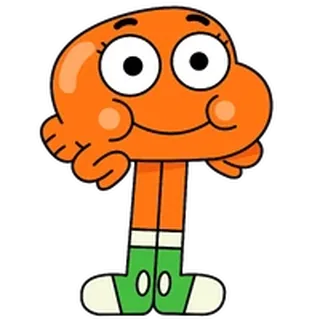 Darwin Watterson — The Amazing World of Gumball. His sensitivity to others illustrates loyalty and reassurance, alongside the challenge of expressing his own discomfort.
 Morty Smith — Rick and Morty. His need for connection and recurring moral concern illustrate the difficulty of remaining supportive without being carried along by someone else's agenda.
 Butters Stotch — South Park. His compliant helpfulness offers a satirical illustration of seeking safety and approval, and of the risks of trusting others without workable boundaries.
 Hinata Hyuga — Naruto Shippuden. Her enduring loyalties and gradual development of confidence illustrate care that becomes more effective as she permits herself a stronger voice.
 Tadashi Hamada — Big Hero 6 (2014). His invention of Baymax connects practical ability with the wish to make supportive care available to other people.
Sources and scope
The Enneagram Tritype framework is attributed to Katherine Chernick Fauvre. This independent educational guide is not affiliated with or endorsed by Fauvre. It describes a theoretical framework for reflection; it is not a validated assessment, diagnosis or population study.
.jpg)
_2.jpg)
.jpg)
.jpg)


.jpg)


