The 278 label identifies the unordered Enneagram family formed by Types 2, 7 and 8, not a specific ordered result. The Free Spirit family combines these three types: the Helper from the Heart centre, the Enthusiast from the Head centre and the Challenger from the Gut centre. Within the Tritype framework, these three types form a broader personality archetype characterised by warmth, high energy, independence, optimism and a strong desire to engage actively with life rather than remain constrained by fear, passivity or excessive dependence upon other people.
The Free Spirit often appears lively, socially confident and willing to take initiative, but beneath that outward vitality is a more complex interaction between the wish to connect with people, the desire to preserve freedom and the determination to remain strong enough to resist unwanted control.
The Free Spirit can appear in six possible stacking orders: 278, 287, 728, 782, 827 and 872. Each contains the same three underlying types, but their ordering changes the emphasis considerably. A Two-led Free Spirit may appear especially relational, generous and people-focused, using energy and assertiveness in the service of connection. A Seven-led version may appear more obviously adventurous, spontaneous and possibility-oriented, while an Eight-led version may lead more strongly with autonomy, force and personal presence. What unites them is the broader combination of Two's interpersonal warmth, Seven's appetite for possibility and Eight's resistance to restriction.
Across its different forms, the Free Spirit tends to move outward rather than retreat inward when confronted with life. There is often a desire to participate, influence events, help people, pursue opportunities and avoid becoming trapped in situations that feel deadening or restrictive. This can make the archetype unusually animated and resilient, particularly when circumstances reward initiative and confidence. At the same time, the very qualities that create vitality can become liabilities when constant movement replaces reflection, generosity becomes intrusive or determination hardens into an unwillingness to tolerate vulnerability.
Looking for a particular stacking order?
278 — Two-led · 287 — Two-led · 728 — Seven-led · 782 — Seven-led · 827 — Eight-led · 872 — Eight-led
The Free Spirit at a Glance
| Feature | Description |
|---|---|
| Archetype | The Free Spirit |
| Family code | 2 · 7 · 8 |
| Possible orders | 6 |
| Centres | Heart (2) · Head (7) · Gut (8) |
| All six orders | 278 · 287 · 728 · 782 · 827 · 872 |
| Theoretical Dynamics | Positive Outlook overlap (2,7) · Assertive overlap (7,8) · Rejection overlap (2,8) |
| Core Tendency | Connecting with people while pursuing freedom, stimulation and personal autonomy |
| Central Tension | Generosity and engagement versus difficulty tolerating limitation, dependence or vulnerability |
| Characteristic Strength | Energetic, confident and action-oriented support for self and others |
| Potential Blind Spot | Overextension, impulsivity, intrusiveness or resistance to emotional limitation |
How Common Is the Free Spirit Tritype?
There are currently no large, representative population datasets that allow the prevalence of the Free Spirit Tritype or its six individual stacking orders to be estimated reliably. This is important because descriptions of particular Tritypes as common, rare or unusually distinctive are usually based on impressions from Enneagram communities rather than representative population research. Enneagram and Tritype samples tend to be drawn from self-selected test takers, online discussion groups, practitioners or relatively small collections of enthusiasts, all of which can produce interesting observations without establishing how frequently a pattern occurs in the wider population.
The Free Spirit may seem especially visible within personality communities because its characteristic traits can be outwardly noticeable. High energy, sociability, confidence, generosity and assertiveness naturally attract more attention than some quieter patterns. That visibility can create the impression that the archetype is either particularly common or particularly recognisable, but neither conclusion follows automatically. Outgoing personalities are simply more likely to make themselves socially apparent, and the presence of energetic or assertive behaviour does not by itself establish a 2–7–8 Tritype.
| Question | Current Position |
|---|---|
| Reliable population estimate? | None currently available |
| Representative prevalence dataset? | No |
| Six recognised stacking orders? | Yes |
| Confidence in exact frequency claims? | Low |
The most responsible approach is therefore to examine the theoretical structure and descriptive tendencies associated with Types 2, 7 and 8 without attaching unsupported numerical claims to their rarity. The Free Spirit can be discussed meaningfully within the Enneagram framework while acknowledging that its actual prevalence remains unknown.
What Does 278 Mean?
Tritype theory proposes that an individual draws upon one preferred Enneagram strategy from each of the three traditional centres: Heart, Head and Gut. For the Free Spirit, these are Type 2 from the Heart centre, Type 7 from the Head centre and Type 8 from the Gut centre. Each contributes something distinctive to the overall pattern. Type 2 brings attentiveness to people, interpersonal usefulness and the desire to form positive connections. Type 7 introduces curiosity, enthusiasm, possibility-seeking and resistance to feeling trapped. Type 8 adds strength, autonomy, directness and a determination not to be controlled.
| Component | Centre | Broad concern | Contribution to the Free Spirit |
|---|---|---|---|
| 2 — Helper | Heart | Connection, usefulness and being valued | Warmth, generosity and interpersonal initiative |
| 7 — Enthusiast | Head | Freedom, possibility and avoiding limitation | Energy, optimism, curiosity and novelty-seeking |
| 8 — Challenger | Gut | Autonomy, strength and boundaries | Assertiveness, confidence and resistance to control |
The Free Spirit is therefore more than a person who is simply outgoing or adventurous. The distinctive feature lies in how the three tendencies reinforce one another. Type 2 moves towards people, Type 7 moves towards experience and Type 8 moves towards direct engagement with the environment. All three have, in different ways, an outward-moving quality. This can make the Free Spirit one of the more actively engaged Tritype patterns, particularly when compared with combinations containing multiple withdrawn or highly cautious strategies.
The interaction can be understood through three broad questions. Type 2 asks how connection can be created or strengthened and whether someone can be helped. Type 7 asks what possibilities remain open and how life can be made more interesting, enjoyable or expansive. Type 8 asks whether the individual remains free, strong and capable of determining their own direction. Different stacking orders alter which of these concerns receives priority, but the overall result is often a personality that wants to participate fully in life without feeling emotionally or practically confined.
This can produce striking combinations of generosity and independence. The Free Spirit may genuinely enjoy helping people while simultaneously resisting situations in which helping begins to feel compulsory. They may be highly sociable while fiercely protective of personal freedom, or strongly loyal while still needing room to act independently. Understanding this tension is essential because the archetype should not be reduced either to the stereotype of the cheerful helper or to that of the rebellious adventurer. Both tendencies can exist within the same person.
The Free Spirit Personality
The defining quality of the Free Spirit is the combination of relational warmth with energetic autonomy. Type 2 creates a strong interpersonal component. The individual may enjoy making things happen for other people, creating opportunities, offering encouragement or simply bringing energy into a social environment. Helping is often active rather than passive. The Free Spirit may not merely listen sympathetically to someone describing a problem; they may immediately begin thinking about what can be done, who can be contacted or how the situation can be changed.
Type 7 amplifies this outward energy by creating a strong appetite for possibility. The Free Spirit may dislike stagnation, repetition or environments in which options seem unnecessarily restricted. There can be an instinctive tendency to look for the open door, the new route or the more interesting alternative. Difficult circumstances may therefore be met with unusual inventiveness. Rather than remaining focused entirely on what has been lost, the person may rapidly begin identifying what remains possible.
Eight contributes confidence and resistance to intimidation. This can make the Free Spirit considerably more forceful than the nurturing associations of Type 2 might initially suggest. The person may be generous and affectionate while also being difficult to control. They can dislike bureaucratic restriction, unnecessary authority or people who attempt to dictate how they should live. Even when relationships are important, autonomy remains significant.
Generosity and independence work better together when promises have realistic limits.
The resulting personality can be highly charismatic. Warmth from Two, enthusiasm from Seven and confidence from Eight can combine into a person who easily generates momentum around themselves. They may be entertaining, persuasive, encouraging and willing to act when other people hesitate. Their presence can make situations feel more alive because they naturally orient towards movement rather than inertia.
The Free Spirit can also be unusually resourceful in adversity. Seven's tendency to search for alternatives and Eight's resistance to helplessness can create considerable resilience, while Two adds a relational dimension that may encourage the person to remain connected to others rather than becoming completely self-focused. In healthy form, the individual can face difficulty without allowing it to define the entire emotional atmosphere. They may acknowledge that circumstances are difficult while still searching energetically for the next viable move.
This does not mean the archetype is inherently carefree. One of its characteristic defences may be precisely the tendency to remain active enough that painful limitation does not have to be experienced fully. Type 7 can resist prolonged emotional restriction, while Type 8 may dislike states of helplessness or dependence. Type 2 may additionally prefer being the person who helps rather than the person who needs help. The combination can therefore make vulnerability surprisingly difficult.
A Free Spirit may be comfortable giving enormous amounts of energy, advice, protection or practical support while feeling much less comfortable admitting that they themselves are exhausted, frightened or uncertain. This asymmetry can create the impression of unusual strength, but it can also prevent the individual from recognising legitimate needs until they become impossible to ignore.
The archetype may also have difficulty with boredom and limitation. Routine can feel constricting when it offers too little stimulation, while obligations can become frustrating when they appear to close off more appealing possibilities. Eight may then react against the sense of restriction, Seven may search for escape routes and Two may attempt to keep everyone happy while still pursuing freedom. The result can be overcommitment: too many people, too many projects and too many opportunities competing for the same limited attention.
At their best, Free Spirits can be generous catalysts. They encourage people, create openings and bring courage into environments that have become stagnant. Their optimism is not necessarily passive wishful thinking; it can be backed by practical initiative and a willingness to take risks. They may help others believe that change is possible because they themselves are prepared to act as though possibility still exists.
The challenge is learning that freedom is not the same as constant motion. Some of life's most important commitments involve choosing one path and allowing other possibilities to close. Likewise, emotional depth often requires staying with discomfort rather than immediately reframing, escaping or overcoming it. The mature Free Spirit does not lose energy or independence; they gain enough internal security to tolerate stillness without experiencing it as imprisonment.
How the Dominant Type Changes the Presentation
The Free Spirit can look very different depending on which of the three component types leads the stacking. Two-led Free Spirits — 278 and 287 — generally place connection, helpfulness and interpersonal responsiveness at the centre of the personality. Their assertiveness and appetite for experience are often expressed through relationships. They may enjoy bringing people together, encouraging others to become more adventurous or using personal influence to solve practical problems for someone they care about.
Seven-led Free Spirits — 728 and 782 — place greater emphasis on possibility, stimulation and freedom. These variants are likely to resemble the most obvious image of the adventurous Free Spirit: energetic, future-oriented and resistant to feeling boxed in. Two gives the personality greater interpersonal warmth than a purely novelty-focused Seven description would suggest, while Eight contributes confidence and the willingness to act upon opportunities rather than merely imagine them.
Eight-led Free Spirits — 827 and 872 — begin from autonomy, strength and direct engagement with the world. They may be noticeably more forceful than the other variants and can appear less conventionally light-hearted despite still containing Seven. Two adds warmth and protectiveness, while Seven prevents the Eight pattern from becoming entirely serious or defensive. These versions can be highly energetic leaders who enjoy opening possibilities for both themselves and the people they consider part of their circle.
Inner Dynamics in Enneagram Theory
The internal structure of the Free Spirit becomes clearer when Types 2, 7 and 8 are examined through several of the broader groupings used within Enneagram theory. These classifications belong to the theory itself rather than representing independently demonstrated psychological mechanisms, but they can illuminate why the combination is described as so energetic, outward-moving and resistant to restriction. Three overlaps are especially relevant: the Positive Outlook connection between Types 2 and 7, the Assertive connection between Types 7 and 8, and the Rejection connection between Types 2 and 8.
The Positive Outlook Overlap: Types 2 and 7
Types 2 and 7 are commonly placed within the Enneagram's Positive Outlook harmonic grouping. Both are theoretically inclined to orient towards what can be improved, enjoyed or made more hopeful rather than remaining indefinitely focused on frustration. Type 2 often does this through interpersonal encouragement and practical support, while Type 7 does it by identifying possibilities and alternatives.
When these tendencies combine, the Free Spirit can become exceptionally good at generating morale. The person may instinctively look for what is still workable in a difficult situation and then use warmth, humour, encouragement or practical action to make that possibility feel real to other people. This can create a strong capacity for optimism that is socially contagious. A group that feels defeated may recover momentum when someone begins asking what can actually be done next.
This optimism can also make the person enjoyable to be around. Two and Seven can both contribute friendliness and responsiveness, although their motivations differ. The Free Spirit may enjoy making other people feel better, introducing them to new experiences or creating a more stimulating atmosphere. This can produce considerable social generosity because the individual's own enthusiasm naturally spills outward.
The blind spot is that positivity can become a way of moving too quickly past pain. The Free Spirit may attempt to solve, cheer up or energise someone who primarily needs to be heard. They may also do this to themselves, reframing disappointment before they have fully recognised its emotional significance. Eight strengthens the tendency by making helplessness or prolonged vulnerability feel especially uncomfortable.
Healthy optimism therefore requires the capacity to distinguish between genuine resilience and avoidance. The strongest Free Spirit can remain hopeful without insisting that every difficult emotion be transformed immediately into action.
The Assertive Overlap: Types 7 and 8
Types 7 and 8 are both commonly placed within the Enneagram's Assertive Hornevian grouping. Both tend theoretically to move towards what they want rather than waiting passively for permission, although the style differs. Type 7 pursues stimulation, opportunity and freedom, while Type 8 pursues autonomy, control over personal boundaries and the ability to act without being dominated.
Their combination gives the Free Spirit much of its forward momentum. The individual may be unusually willing to initiate activities, take risks, approach unfamiliar people or challenge restrictions that seem arbitrary. Where a more cautious personality might wait for circumstances to become safe, the Free Spirit may begin acting and deal with problems as they arise.
This can be a major strength in environments requiring entrepreneurship, improvisation or courage. Seven helps the person see possible routes forward, while Eight contributes the confidence necessary to commit to one. A problem that paralyses someone else may instead stimulate the Free Spirit into action.
The risk is that momentum can outpace reflection. The person may become so accustomed to moving forward that caution feels like cowardice or delay. Important objections can be dismissed because they interfere with excitement, and other people's slower decision-making may be experienced as frustrating or unnecessarily negative.
The interaction can also produce a tendency to overestimate personal capacity. Seven sees numerous desirable possibilities and Eight dislikes feeling limited, so the individual may assume that sufficient willpower and ingenuity can accommodate everything. Reality eventually imposes boundaries, however, whether through time, money, physical energy or competing obligations.
Maturity therefore involves recognising that limitation is not always oppression. Some constraints are simply facts. The Free Spirit becomes more effective when they can distinguish between a restriction worth challenging and one that must be intelligently incorporated into the plan.
The Rejection Overlap: Types 2 and 8
Within Enneagram object-relations theory, Types 2 and 8 are both placed within the Rejection grouping. Although the two types appear very different on the surface, both are often described as managing vulnerability by emphasising what they can provide rather than what they require from others.
Type 2 may establish relational importance by becoming helpful, supportive or emotionally indispensable. Type 8 may establish independence by becoming strong enough that dependence appears unnecessary. In both cases, there can be a complicated relationship with receiving.
This overlap is particularly important for understanding why the Free Spirit may appear simultaneously generous and highly self-reliant. The person can give energy freely, solve problems for others and offer protection without necessarily feeling equally comfortable when the roles are reversed. Receiving help may create a subtle sense of indebtedness or exposure.
This can produce genuine strength, but it can also create imbalanced relationships. The Free Spirit may unconsciously prefer being the capable one because capability preserves both value and control. Admitting need means allowing another person to occupy a position of importance, which can feel more vulnerable than simply continuing to give.
Seven further complicates the pattern by directing attention towards what remains enjoyable or possible rather than towards dependence and pain. The result can be a person who appears remarkably self-sufficient until circumstances finally exceed their ability to compensate.
Growth therefore involves learning that receiving does not automatically create weakness. Mutual relationships require movement in both directions. A Free Spirit who can accept care without experiencing it as control becomes capable of deeper connection without sacrificing autonomy.
Strengths and Potential Blind Spots
Likely Strengths
One of the Free Spirit's strongest qualities is energetic generosity. The archetype often does more than sympathise with problems; it attempts to change them. Type 2 contributes responsiveness, Type 7 generates ideas and Type 8 supplies enough force to put those ideas into practice. This can make the person extremely useful in situations where another individual feels overwhelmed or stuck. They may quickly identify resources, introduce useful contacts or persuade somebody that circumstances are less hopeless than they initially appeared.
- Another strength is initiative. The Free Spirit is unlikely to require constant external permission before acting. When a promising opportunity appears, the combination of Seven and Eight can produce a willingness to move towards it rapidly. This may be especially valuable in unpredictable environments where rigid plans are less useful than confidence and improvisation.
- The archetype can also possess significant social courage. Two encourages engagement with people, while Eight reduces fear of confrontation and Seven reduces excessive caution around novelty. The individual may therefore be willing to approach people or situations that others find intimidating. This can make them natural connectors, advocates or informal leaders.
- Resilience is another potential strength. The Free Spirit may recover quickly from setbacks because the personality is oriented towards alternatives. Seven looks for another route, Eight refuses to remain defeated and Two restores meaning through connection with others. This does not guarantee emotional invulnerability, but it can make the person unusually effective at reconstructing momentum after disruption.
The archetype may also be highly protective. Two's concern for people and Eight's willingness to intervene can combine into a person who reacts strongly when someone vulnerable is being treated unfairly. This protection can be practical rather than sentimental: the Free Spirit may simply step into the situation, challenge the problem and attempt to change the balance of power.
Potential Blind Spots
The most obvious difficulty is overextension. The Free Spirit can want to help multiple people, pursue multiple opportunities and preserve multiple forms of freedom simultaneously. Because saying yes initially feels energising, the practical cost may not be apparent until commitments begin colliding. The individual can then become frustrated by obligations they themselves accepted.
Impulsivity is another potential blind spot. Seven's enthusiasm and Eight's confidence can create a strong bias towards action, particularly when the individual believes that hesitation will allow an opportunity to disappear. This decisiveness can be impressive, but it becomes problematic when reflection is genuinely necessary.
The person may also become intrusive while attempting to help. Type 2 sees a need, Seven sees possibilities and Eight believes action is preferable to helplessness. The Free Spirit may therefore leap into solving a problem before determining whether the other person actually wants intervention. What feels like generous support to the Free Spirit can feel like unwanted takeover to someone who values greater independence.
Another difficulty involves emotional avoidance. A personality skilled at generating energy can become uncomfortable when no practical action can remove the underlying pain. Grief, disappointment, uncertainty and helplessness sometimes have to be experienced rather than solved. The Free Spirit may attempt to accelerate this process because prolonged vulnerability feels restrictive.
Finally, confidence can become excessive certainty. Eight may resist appearing weak, Seven may underestimate downside risk and Two may assume a reasonably accurate understanding of what other people need. In combination, the individual can become convinced that their solution is obviously the correct one.
The developmental challenge is therefore not to eliminate confidence but to combine confidence with receptivity. The Free Spirit becomes more effective when enthusiasm does not prevent listening and decisiveness does not prevent reconsideration.
Relationships and Communication
Relationships can be highly important to the Free Spirit, but the archetype usually wants connection without feeling confined by it. Type 2 values closeness, Seven values freedom and Eight values autonomy. This creates a relationship style that can be warm and committed while still containing a strong need for room to move.
The Free Spirit may enjoy relationships built around shared experiences, projects, humour and mutual encouragement. They can be generous with time and energy when genuinely engaged and may enjoy introducing partners or friends to new possibilities. Affection is often active. The person may prefer doing something meaningful together to repeatedly discussing the relationship in abstract terms.
Loyalty can also be strong, particularly when Eight's protective qualities become attached to people the individual regards as their own. A Free Spirit may be relatively relaxed about minor differences while becoming extremely forceful if someone important is threatened or treated unfairly.
Commitment does not have to mean captivity.
The difficulty is that the need for autonomy can create tension when a relationship becomes highly demanding. The person may enjoy closeness while resisting expectations that appear to restrict independent action. Seven can become restless, Eight may push back against perceived control and Two may simultaneously feel guilty about disappointing the other person.
This creates an interesting contradiction. The Free Spirit may want to be both deeply connected and completely unrestrained, yet real relationships inevitably involve compromise. The challenge is learning that commitment is not necessarily captivity. Some freely chosen limitations make deeper connection possible.
Communication is often relatively direct, lively and expressive. Two may make the individual socially responsive, Seven contributes spontaneity and Eight reduces hesitation around expressing strong opinions. The person can therefore be engaging and persuasive, but may also dominate conversations if enthusiasm is not moderated by listening.
In conflict, the Free Spirit may prefer resolving the issue quickly rather than remaining in prolonged ambiguity. Eight wants the matter addressed, Seven wants movement and Two often wants the relationship restored. This can produce productive directness, but it can also create pressure on another person to "move on" before they have processed the conflict fully.
A useful developmental principle is therefore that speed of resolution is not the same as depth of resolution. Some interpersonal problems require more patience than the Free Spirit naturally prefers. Learning to remain present without immediately fixing, persuading or reframing can significantly deepen relationships.
Work and Career Preferences
The Free Spirit is likely to appreciate work that offers some combination of autonomy, variety, human engagement and the ability to influence outcomes directly. Highly restrictive environments can become frustrating, particularly when rules appear arbitrary or when initiative is discouraged. The archetype may perform best where energy and improvisation are treated as assets rather than problems.
- Two-led Free Spirits may be attracted to roles that combine human contact with action. Entrepreneurship, sales, recruitment, hospitality, coaching, community leadership, events, healthcare, fundraising or advocacy can provide opportunities to connect with people while remaining dynamic. They may enjoy roles where helping produces visible results rather than becoming purely administrative.
- Seven-led Free Spirits may prefer environments with substantial novelty and freedom. Entrepreneurship, media, travel, creative industries, marketing, consulting, business development, entertainment and project-based work can all provide the variety and possibility they often seek. The person may be especially effective at generating ideas, spotting openings and energising other people around a new direction.
- Eight-led Free Spirits may gravitate towards positions involving authority, negotiation or independent decision-making. Leadership, business ownership, operations, sales leadership, campaigning, emergency roles or highly competitive environments can suit the combination when the person is given enough control over how outcomes are achieved.
Across all three dominant styles, the individual may become frustrated with micromanagement. A Free Spirit generally prefers being trusted to solve the problem rather than being told every step of the process. They may tolerate demanding work better than restrictive work because difficulty itself can be stimulating while unnecessary control simply feels constricting.
The main occupational risk is taking on too much. The person may accept projects because they are interesting, people because they need help and opportunities because they seem too good to decline. Eventually the schedule becomes an accumulation of yesterday's enthusiasm.
Another risk is boredom after the initial challenge has passed. Starting can feel considerably more rewarding than maintaining. The Free Spirit may therefore benefit from structures that protect long-term commitments from temporary fluctuations in stimulation.
This does not mean the person is incapable of sustained work. When something remains meaningful and sufficiently autonomous, they may display enormous energy. The developmental task is learning to distinguish between genuine misalignment and the normal reduction in excitement that occurs once novelty becomes competence.
Stress and Growth
Under prolonged stress, the Free Spirit's characteristic strengths can become exaggerated. Energy can become restlessness, confidence can become control, helpfulness can become intrusion and optimism can become avoidance. Because the archetype is strongly oriented towards outward movement, stress may initially produce more activity rather than obvious collapse.
The individual may respond to difficulty by adding stimulation, taking on new projects or increasing social activity. Seven seeks alternatives, Two reconnects through people and Eight attempts to reassert control. This can temporarily restore a sense of momentum, but it may also prevent the person from recognising exhaustion.
A characteristic stress cycle can therefore begin with frustration or limitation. The Free Spirit attempts to escape the feeling by generating activity, but increased commitments create further pressure. The person then becomes more controlling or impatient because circumstances are no longer moving easily enough.
When emotional vulnerability is involved, the cycle can become particularly strong. The individual may help everyone else, organise solutions and remain outwardly energetic while quietly resisting acknowledgement of their own distress. Because the personality is accustomed to identifying with capability, moments of genuine helplessness can feel especially threatening.
Different dominant types modify the process. A Two-led Free Spirit may become increasingly invested in being needed and may overextend themselves through relationships. A Seven-led version may multiply distractions, opportunities and future plans. An Eight-led version may attempt to control more of the surrounding environment and become increasingly frustrated when reality refuses to cooperate.
Growth involves developing tolerance for limits, stillness and receptivity. The Free Spirit benefits from learning that not every closed door needs to be forced open and not every uncomfortable feeling requires immediate transformation. Some situations improve because the person stops acting long enough to understand what is actually happening.
Accepting help is another important developmental task. Because both Two and Eight can emphasise giving over receiving, the individual may assume that strength requires remaining the provider. Allowing trusted people to contribute does not necessarily surrender autonomy. In healthy relationships, interdependence is different from dependency.
Discomfort can sometimes be experienced without immediately changing the situation.
The mature Free Spirit therefore retains energy, confidence and generosity while becoming less driven by the need to escape limitation. Freedom becomes the ability to choose intentionally rather than the need to keep every possibility open.
The Six Free Spirit Stackings
The six Free Spirit codes contain the same three Enneagram types, but their order is intended to describe which strategy receives priority. The first number represents the dominant or core type, the second indicates the more prominent of the two remaining centre strategies and the third occupies the tertiary position. These differences should therefore be understood as shifts in emphasis rather than six entirely separate personality structures.
| Stacking | Lead Type | Secondary Emphasis | Typical Presentation |
|---|---|---|---|
| 278 | Two | Seven | Relationship-led, energetic, generous and possibility-oriented |
| 287 | Two | Eight | Relationship-led, protective, direct and assertive |
| 728 | Seven | Two | Freedom-led, sociable, enthusiastic and encouraging |
| 782 | Seven | Eight | Freedom-led, bold, independent and action-oriented |
| 827 | Eight | Two | Autonomy-led, protective, generous and people-focused |
| 872 | Eight | Seven | Autonomy-led, adventurous, energetic and expansive |
The Two-Led Free Spirits: 278 and 287
For both 278 and 287, Type 2 provides the core orientation. Relationships, helpfulness and the desire to make a positive interpersonal contribution therefore come first. These variants can be especially socially engaged because their Two core is supported by two highly active types. The distinction lies in whether Seven's optimism and possibility-seeking or Eight's assertiveness and protectiveness receives greater secondary emphasis.
278 — Two → Seven → Eight
In 278, Type 7 follows the dominant Two. The desire to connect with and help people is therefore coloured strongly by enthusiasm, spontaneity and the search for possibility. The 278 may enjoy encouraging other people to expand their horizons, try something new or view a difficult situation from a more hopeful angle. Help can take the form of opening doors rather than simply providing comfort.
The secondary Seven influence can make the 278 playful, energetic and socially expansive. The individual may enjoy bringing people together, creating memorable experiences or using humour to lift the atmosphere. Because the personality is Two-led, this activity is often strongly relational rather than purely self-directed.
Eight remains important and gives the pattern backbone. Beneath the friendliness there can be considerable determination, particularly when somebody the individual cares about needs protection. Compared with 287, however, the 278 is theoretically more likely to lead with encouragement and possibility before moving towards confrontation.
The broad orientation becomes connection first, possibility second and autonomy third. The principal risk is overextending through enthusiasm, particularly when helping others becomes intertwined with a desire to keep life exciting.
287 — Two → Eight → Seven
In 287, Type 8 follows the dominant Two. Connection and helpfulness remain primary, but the secondary Eight influence makes the expression more forceful, protective and direct. The individual may be less interested in simply comforting someone and more interested in confronting whatever created the problem.
This can produce a particularly assertive helper. The 287 may be warm and generous while also possessing strong boundaries and a low tolerance for intimidation. They can become powerful advocates for people they consider vulnerable or unfairly treated.
Seven remains present and adds optimism, spontaneity and a willingness to explore alternatives, preventing the Two–Eight combination from becoming entirely serious or defensive. Compared with the 278, however, the 287 is theoretically more likely to move rapidly from concern into intervention.
The broad orientation becomes connection first, strength second and possibility third. The challenge is recognising when protection has become control and when another person needs support rather than takeover.
The Seven-Led Free Spirits: 728 and 782
Both 728 and 782 begin with Type 7. Freedom, possibility and stimulation therefore provide the central organising theme. These variants may most closely resemble the archetypal image of the Free Spirit because they are oriented first towards expansion and experience. Two and Eight then determine whether the Seven core becomes more overtly relational or more strongly autonomous.
728 — Seven → Two → Eight
In 728, Type 2 follows the dominant Seven. The desire for freedom and possibility is therefore closely connected with people. The individual may enjoy experiences partly because they can be shared, and their enthusiasm often has a social quality. They may naturally recruit others into plans, encourage friends to participate or use personal warmth to create opportunities.
Two's secondary influence can make the 728 more attentive to other people's reactions than some Seven descriptions suggest. The individual may want everyone involved to enjoy the experience and can become skilled at maintaining group morale.
Eight remains important and provides firmness when obstacles appear. The person is unlikely to be entirely conflict-averse, even though their first preference may be to preserve enthusiasm rather than create tension.
Compared with 782, the 728 is theoretically more likely to emphasise interpersonal connection and encouragement. The broad orientation becomes freedom first, connection second and autonomy third.
782 — Seven → Eight → Two
In 782, Type 8 follows the dominant Seven. Freedom remains the central concern, but the secondary Eight influence creates a more forceful and independence-oriented presentation. The person may strongly resist restriction and can have considerable confidence in their ability to create alternatives.
The 782 may therefore appear bold, adventurous and difficult to intimidate. Where the 728 might win cooperation through enthusiasm and warmth, the 782 may simply decide that a barrier is unnecessary and move through or around it.
Two remains important in the tertiary position and ensures that relationships and generosity still matter. The person may be highly loyal and giving, but interpersonal considerations are somewhat less likely to override the need for freedom than in the 728.
The broad orientation becomes freedom first, autonomy second and connection third. The developmental challenge is balancing confidence with enough patience to recognise when other people require a slower pace or more collaborative process.
The Eight-Led Free Spirits: 827 and 872
Both 827 and 872 begin with Type 8, meaning that autonomy, strength and resistance to control provide the primary orientation. These variants can appear considerably more commanding than the Two-led or Seven-led versions, although the presence of both Two and Seven gives them unusual warmth and expansiveness for an Eight-centred pattern.
827 — Eight → Two → Seven
In 827, Type 2 follows the dominant Eight. Autonomy remains primary, but the secondary Two influence directs much of the Eight's strength towards people. The person may become protective, generous and highly invested in the wellbeing of those they consider part of their circle.
This can create a powerful provider orientation. The 827 may enjoy being able to solve practical problems, create opportunities or defend other people from difficulty. Unlike a more purely nurturing pattern, however, the helping style can be assertive and occasionally paternalistic.
Seven adds flexibility and energy in the tertiary position, making the overall presentation more expansive and optimistic than might otherwise be expected from an Eight-led personality.
Compared with 872, the 827 may be somewhat more relationship-focused and protective. The broad orientation becomes autonomy first, connection second and possibility third.
872 — Eight → Seven → Two
In 872, Type 7 follows the dominant Eight. Autonomy therefore combines directly with appetite for freedom, novelty and expansion. This can produce one of the most energetic and outwardly independent Free Spirit variants.
The 872 may dislike feeling restricted in almost any form. Eight resists external control while Seven resists closed possibilities, making the person especially likely to challenge environments that feel unnecessarily narrow. There can be substantial entrepreneurial energy because the individual naturally prefers creating options to accepting imposed limitations.
Two remains important and adds warmth, generosity and concern for people, but occupies the tertiary position. The person may therefore appear more forceful and adventurous than overtly nurturing while still caring strongly about those within their social world.
Compared with 827, the 872 may place greater emphasis on experience and independence than on caretaking. The broad orientation becomes autonomy first, possibility second and connection third. The developmental challenge is recognising when the pursuit of freedom begins to destabilise commitments that the individual genuinely values.
Wings and Other Secondary Influences
The dominant type of each Free Spirit stacking can be modified further by wings and other elements of Enneagram theory. Because the family contains three possible dominant types, there is no single wing pattern that characterises every Free Spirit. Instead, the wing alters how the dominant strategy is expressed and can substantially affect the tone of the overall personality.
A Two-led Free Spirit may show stronger Type 1 or Type 3 influence. A stronger One wing could make the person's generosity more principled, restrained or duty-oriented, while a stronger Three wing may increase social confidence, ambition and outward polish. A Seven-led Free Spirit may show stronger Six or Eight influence. A stronger Six wing could introduce more caution, planning and loyalty, whereas stronger Eight influence may intensify independence, risk tolerance and assertiveness.
An Eight-led Free Spirit may show stronger Seven or Nine influence. A stronger Seven wing would reinforce the already expansive and energetic characteristics of the 2–7–8 family, potentially creating a particularly adventurous presentation. Stronger Nine influence may produce a somewhat calmer and more grounded Eight who still values independence but is less inclined to turn every disagreement into an immediate confrontation.
These influences can modify outward behaviour considerably without changing the underlying Free Spirit structure. Wings are therefore best understood as secondary modifiers rather than alternative Tritype archetypes, adding nuance after the main 2–7–8 pattern and stacking order have been identified.
Related Tritype Archetypes
Comparing the Free Spirit with neighbouring Tritype families helps clarify the specific contribution of each component. The 268 Rescuer retains Types 2 and 8 but replaces Seven with Type 6. Warmth and assertiveness remain, but the Head strategy shifts from possibility-seeking towards security, vigilance and loyalty. The 268 may therefore appear more protective and duty-oriented, while the Free Spirit is theoretically more expansive, spontaneous and resistant to restriction.
A 2–7–9 combination retains Two and Seven while replacing Eight with Nine. Much of the warmth, optimism and sociability remains, but the Gut strategy becomes substantially less confrontational. Where the Free Spirit gains directness, boundary strength and willingness to challenge obstacles from Eight, the 2–7–9 pattern would be expected to place greater emphasis on accommodation and maintaining peace.
A 3–7–8 combination retains Seven and Eight while replacing Two with Type 3. Energy, assertiveness and ambition remain, but the Heart component shifts from interpersonal helpfulness towards achievement, effectiveness and image. Compared with such a pattern, the Free Spirit may place greater emphasis on generosity, connection and the wellbeing of specific people rather than primarily on accomplishment.
These comparisons help show that the Free Spirit is not simply a generic adventurous or extroverted personality. Its distinctive structure comes from combining Two's relational generosity, Seven's drive towards possibility and Eight's determination to remain autonomous.
The Free Spirit and the Big Five
The Enneagram and Big Five describe personality through fundamentally different models, so there is no direct conversion between the Free Spirit Tritype and a particular Big Five profile. Any comparisons should therefore remain descriptive and tentative rather than being treated as validated psychometric mappings.
The most obvious possible resemblance is with higher Extraversion, particularly the facets of assertiveness, activity and positive emotionality. Types 7 and 8 both contribute energetic outward movement, while Type 2 adds interpersonal engagement. Many Free Spirits may therefore appear more extraverted than average, although this should not be treated as inevitable. A person can possess the motivational structure of 2–7–8 while still requiring substantial solitude.
The archetype may also resemble aspects of higher Openness to Experience, particularly where Seven's curiosity and appetite for novelty are pronounced. The individual may enjoy exploring unfamiliar environments, ideas or experiences and may react negatively to excessive routine.
Agreeableness is more complicated. Type 2 contributes warmth and compassion, potentially resembling higher Agreeableness, while Type 8 contributes assertiveness and unwillingness to comply merely for the sake of harmony, which can resemble lower Agreeableness in some contexts. A Free Spirit may therefore be unusually generous without being especially compliant.
Conscientiousness can vary substantially. Some Free Spirits may be highly productive because energy and initiative are strong, while others may struggle with sustained structure when novelty fades. The archetype does not provide a reliable basis for predicting this dimension.
Emotional Stability may also vary. Seven and Eight can create an outwardly resilient presentation, but outward confidence should not automatically be interpreted as low Neuroticism. Individuals may still experience substantial internal anxiety or emotional reactivity depending upon factors not captured by the Tritype.
The Free Spirit and 16-Type Systems
The Free Spirit may resemble several descriptions found within Jungian and MBTI-style personality systems, particularly types associated with sociability, spontaneity, assertiveness and enthusiasm. These comparisons should remain loose because the two systems organise personality around fundamentally different concepts.
Seven-led Free Spirits may sometimes identify with ENFP or ENTP descriptions because of their appetite for possibilities, novelty and energetic engagement. Some may instead identify with ESFP or ESTP, particularly where attention is more strongly directed towards immediate experience and action.
Two-led Free Spirits may recognise aspects of ENFJ or ESFJ descriptions when warmth, interpersonal initiative and encouragement are especially prominent. The Seven and Eight components, however, may make these individuals considerably more independence-oriented or risk-tolerant than stereotypes of highly conventional social types would suggest.
Eight-led Free Spirits may identify with ENTJ, ESTP, ENTP or ENFJ descriptions depending upon the person's cognitive style. Their assertiveness and confidence can create similarities with several outwardly decisive 16-type profiles even though the underlying Enneagram motivation remains different.
These are descriptive parallels rather than conversions. Enneagram theory primarily concerns motivations, fears and defensive strategies, while Jungian and MBTI-style models attempt to organise personality according to different dimensions of information processing and decision-making. A 782 is therefore not automatically an ESTP, and an ESTP should not automatically be expected to belong to the Free Spirit family.
Treating the systems as complementary perspectives rather than interchangeable labels preserves the distinctions that make each framework useful.
The Free Spirit in One Sentence
The 278 Free Spirit Tritype combines interpersonal generosity, enthusiasm for possibility and strong personal autonomy into a personality that seeks to engage life fully, create opportunities and help others move beyond unnecessary limitation.
Famous People and Fictional Characters Associated with 278
These examples offer illustrative comparisons with the 278 family, not confirmed personality assessments. The family includes all six orders of its three types; an example need not use the ascending 278 order. A public career or fictional story cannot establish someone's private motivations. Fictional examples refer to the works or versions named below, and are illustrations rather than role models.
Famous People Associated with 278
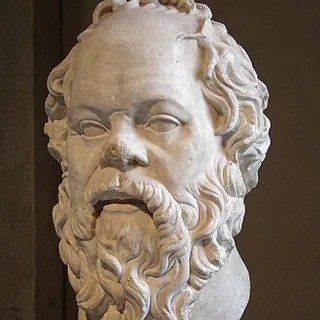 Socrates — Philosopher. His questioning of accepted answers offers a historical comparison with independent engagement and a readiness to challenge a comfortable consensus.
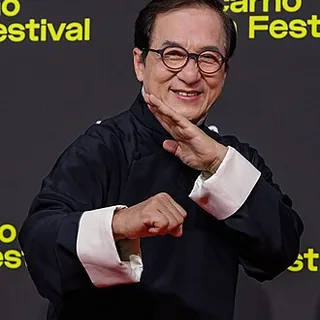 Jackie Chan — Actor and martial artist. His inventive physical performances illustrate adventurous energy shaped into practical, collaborative entertainment.
 Jason Momoa — Actor. His energetic public engagement and environmental advocacy offer a comparison with enthusiasm connected to a cause beyond personal visibility.
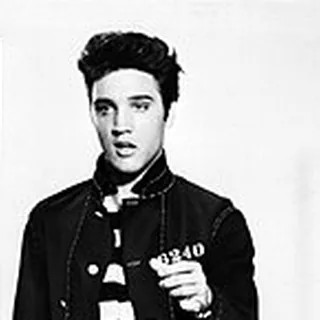 Elvis Presley — Singer and performer. His dynamic stage presence offers an illustration of expansive expression, interpersonal impact and the appetite for a vivid experience.
 Mila Kunis — Actor. Her direct public communication offers a limited comparison with warmth and independence, separate from assumptions based on her screen characters.
 Chris Hemsworth — Actor. His adventurous public projects offer an illustration of energetic participation and testing a new possibility rather than staying with familiar limits.
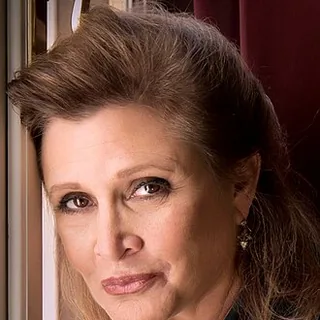 Carrie Fisher — Actor and writer. Her candid humour and advocacy illustrate an independent voice that can connect with others without smoothing away difficult experiences.
 Saoirse Ronan — Actor. Her varied work and independent creative choices offer a limited comparison with openness and maintaining an individual direction.
 Charli XCX — Singer-songwriter. Her experimental collaborations illustrate a willingness to pursue excitement, challenge expectations and bring other people into a new creative space.
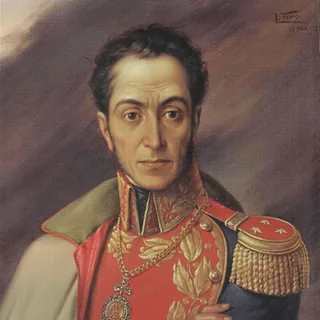 Simón Bolívar — Historical independence leader. His public role offers a comparison with expansive ambition and resistance to imposed limits, not a confirmed account of his private psychology.
Fictional Characters Associated with 278
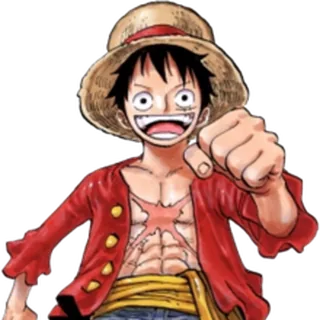 Monkey D. Luffy — One Piece manga and anime. His hunger for freedom is closely connected to loyalty and the readiness to confront anyone threatening his companions.
 Son Goku — Dragon Ball Z. His enjoyment of new challenges and straightforward bonds illustrate expansive energy, resilience and a preference for direct engagement.
 Sonic the Hedgehog — Sonic games. His movement towards adventure and resistance to domination offer a direct fictional illustration of freedom joined to helping his friends.
 Thor — Marvel Cinematic Universe. His adventurous confidence and protective attachments illustrate strength that must learn to coexist with loss, responsibility and genuine connection.
 Regina George — Mean Girls (2004). Her influence and pursuit of stimulation offer an antagonistic comparison, showing how interpersonal energy can become controlling rather than generous.
 Finn the Human — Adventure Time. His enthusiastic involvement in other people's problems illustrates freedom and action joined to a strong desire to help.
 Star Butterfly — Star vs. the Forces of Evil. Her adventurous improvisation illustrates warmth and possibility, while her growth involves taking the consequences of action more seriously.
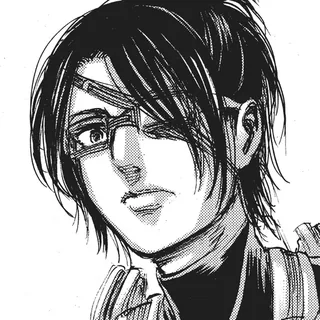 Hange Zoë — Attack on Titan. Their exuberant curiosity and commitment to their companions connect the excitement of discovery with responsibility under increasingly difficult conditions.
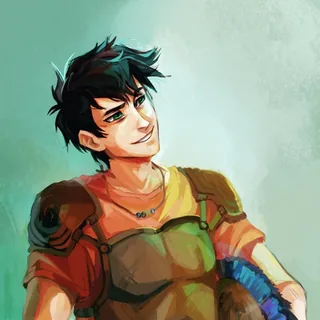 Percy Jackson — Camp Half-Blood books. His loyalty and irreverence illustrate an adventurous independence that becomes especially forceful when someone he cares about is threatened.
 The Other Mother — Coraline (2009). Her apparently welcoming world offers a deliberately dark contrast: an invitation to pleasure that conceals coercion and the loss of freedom.
Sources and scope
The Enneagram Tritype framework is attributed to Katherine Chernick Fauvre. This independent educational guide is not affiliated with or endorsed by Fauvre. It describes a theoretical framework for reflection; it is not a validated assessment, diagnosis or population study.


_(cropped).jpg)

.jpg)


.jpg)


