The 268 label identifies the unordered Enneagram family formed by Types 2, 6 and 8, not a specific ordered result. The Rescuer family combines these three types: the Helper from the Heart centre, the Loyalist from the Head centre and the Challenger from the Gut centre. Within the Tritype framework, these three types form a broader personality archetype characterised by active helpfulness, loyalty, protectiveness and a readiness to intervene when people, relationships or important commitments appear threatened.
The Rescuer can appear in six possible stacking orders: 268, 286, 628, 682, 826 and 862. Each contains the same underlying three types, but the ordering indicates which strategy tends to lead the personality and which of the remaining two receives stronger secondary emphasis. A Two-led 268 may appear comparatively warm, involved and service-oriented, a Six-led 682 may appear more vigilant and security-conscious, while an Eight-led 826 may present as more forceful, commanding and immediately protective. Beneath those differences lies the same deeper combination of Two's concern with being useful to others, Six's concern with loyalty and security, and Eight's concern with strength, autonomy and protection.
The overall personality pattern is therefore strongly oriented towards people under pressure. The Rescuer may be particularly sensitive to situations in which someone is vulnerable, unsupported, treated unfairly or placed at a disadvantage. Rather than remaining detached from the problem, the individual may feel compelled to become involved, whether by offering direct assistance, gathering support, questioning what is happening or confronting the source of the difficulty.
This can create a person who experiences care in highly practical terms. Helping may mean more than offering reassurance; it can mean stepping in, defending someone, organising resources, checking that promises are being kept or refusing to allow a vulnerable person to be ignored. At their best, Rescuers can be exceptionally loyal and courageous advocates. At their least balanced, however, the same protective instinct can become over-involvement, suspicion or an assumption that other people need rescuing even when they would prefer to act for themselves.
Looking for a particular stacking order?
268 — Two-led · 286 — Two-led · 628 — Six-led · 682 — Six-led · 826 — Eight-led · 862 — Eight-led
The Rescuer at a Glance
| Feature | Description |
|---|---|
| Archetype | The Rescuer |
| Family code | 2 · 6 · 8 |
| Possible orders | 6 |
| Centres | Heart (2) · Head (6) · Gut (8) |
| All six orders | 268 · 286 · 628 · 682 · 826 · 862 |
| Theoretical Dynamics | Compliant overlap (2,6) · Reactive overlap (6,8) · Rejection overlap (2,8) |
| Core Tendency | Protecting and supporting people through loyalty, vigilance and decisive intervention |
| Central Tension | Caring for others without becoming controlling, over-responsible or perpetually defensive |
| Characteristic Strength | Courageous practical support combined with strong loyalty and protective instincts |
| Potential Blind Spot | Over-involvement, suspicion, excessive responsibility or escalating situations unnecessarily |
How Common Is the Rescuer Tritype?
There are currently no large, representative population datasets that allow the prevalence of the 268 Rescuer or any of its six stacking orders to be estimated reliably. This limitation applies to Tritype combinations generally. Although Enneagram communities sometimes describe particular configurations as common, rare or especially distinctive, those impressions usually arise from self-selected personality communities, online test populations or practitioner experience rather than representative demographic research.
This differs from personality models such as the Big Five, where large-scale psychometric datasets allow researchers to estimate trait distributions across substantial samples. Tritype classifications do not currently possess an equivalent empirical foundation. Community surveys can still be interesting, but they cannot reliably establish how frequently the 268 pattern occurs in the wider population or whether one stacking is genuinely more common than another.
The Rescuer may sometimes appear particularly visible because its underlying themes are outwardly expressed. Helpfulness, loyalty, protectiveness and confrontation are easier for other people to notice than some quieter internal personality tendencies. That visibility, however, should not be mistaken for evidence that the combination is common. Conversely, the intensity sometimes attributed to 268 does not demonstrate that it is rare.
| Question | Current Position |
|---|---|
| Reliable population estimate? | None currently available |
| Representative prevalence dataset? | No |
| Six recognised stacking orders? | Yes |
| Confidence in exact frequency claims? | Low |
The most responsible approach is therefore to examine the theoretical structure and behavioural tendencies associated with the Rescuer without assigning unsupported percentages or claims about demographic rarity.
What Does 268 Mean?
Tritype theory proposes that an individual relies upon one preferred Enneagram strategy from each of three traditional centres: Heart, Head and Gut. In the Rescuer combination, these are Type 2 from the Heart centre, Type 6 from the Head centre and Type 8 from the Gut centre. Each contributes a different response to vulnerability and uncertainty, and the distinctive quality of the archetype emerges from the way those three strategies interact.
Type 2 contributes attention to other people's needs and the desire to become useful, supportive or personally important within relationships. Type 6 contributes vigilance, loyalty, questioning and concern with whether people, systems or authorities can be trusted. Type 8 adds strength, directness, boundary awareness and a willingness to confront threats rather than simply endure them. Together, they can create someone who is highly responsive when another person appears to need protection.
| Component | Centre | Broad Concern | Contribution to the Rescuer |
|---|---|---|---|
| 2 — Helper | Heart | Connection, usefulness and interpersonal value | Supportiveness, responsiveness and awareness of people's needs |
| 6 — Loyalist | Head | Security, loyalty and trust | Vigilance, questioning, preparedness and commitment to reliable alliances |
| 8 — Challenger | Gut | Autonomy, strength and boundaries | Protection, direct intervention, courage and resistance to exploitation |
The three strategies can therefore form a natural sequence. Two notices that someone needs support, Six asks what danger or failure produced the problem, and Eight considers what must be confronted or changed to restore safety. The combination can be highly practical because concern does not necessarily remain emotional; it often moves quickly towards action.
A simplified formulation would be that Two asks who needs help, Six asks what could go wrong, and Eight asks who or what needs to be challenged. Different stacking orders change the priority of those questions, but all three remain part of the broader Rescuer pattern.
The Rescuer Personality
The defining quality of the Rescuer is the combination of care with protective force. Many personality patterns involve concern for other people, but the 268 configuration theoretically adds a stronger readiness to defend, advocate and intervene. When someone appears vulnerable or unsupported, the Rescuer may find it difficult to remain neutral.
Type 2 supplies the interpersonal orientation. The person tends to notice what other people need and may derive considerable satisfaction from being someone who can be relied upon. This can make the Rescuer attentive to practical requirements, emotional states and situations in which another person is struggling but reluctant to ask for help directly.
Type 6 adds vigilance. The Rescuer may not simply notice that a problem exists; they may begin asking why it happened, whether it could happen again and who can be trusted to prevent it. This makes the archetype potentially more cautious and suspicious than a straightforward helper. Assistance may therefore include checking arrangements, challenging inconsistent explanations or anticipating risks before they become crises.
Protective concern becomes steadier when it is checked against the actual situation.
Eight gives the pattern force. Where Type 2 alone might offer support and Type 6 might raise questions, Eight increases the willingness to confront. A Rescuer may therefore become unexpectedly formidable when they believe someone is being bullied, exploited, ignored or treated unfairly. Their interpersonal concern can quickly become active defence.
This combination can create tremendous loyalty. Once the person regards someone as part of their circle of responsibility, they may feel strongly obligated to stand by them during difficulty. The Rescuer may remember who was present during previous crises, who kept promises and who disappeared when help was needed. Trust can therefore become a highly consequential part of the personality.
The same loyalty can extend beyond individual relationships. Some Rescuers may become strongly attached to organisations, communities, families, professions or causes that provide a sense of belonging and mutual responsibility. They may be prepared to challenge outsiders who threaten the group while simultaneously becoming highly critical when people inside the group fail to live up to expected standards of loyalty.
There is therefore a strong distinction between trusted people and potentially unreliable people. The healthier Rescuer can remain discerning without becoming rigid, recognising that people can make mistakes without becoming enemies. Under stress, however, the distinction can harden, creating an increasingly polarised view of who is safe, who is loyal and who cannot be trusted.
The archetype can also be emotionally intense. Six and Eight both belong to the Enneagram's Reactive harmonic grouping, and although Type 2 may attempt to maintain relationships, the overall combination can still react strongly when something important feels threatened. A Rescuer may find it difficult to pretend that a problem does not exist merely to preserve superficial calm.
At their best, this makes Rescuers courageous. They may say what other people are afraid to say, intervene where others prefer not to become involved and remain loyal during situations in which support carries a personal cost. Their willingness to act can make them invaluable during genuine crises.
The risk is that every problem can begin to look like a crisis. A personality organised strongly around helping, vigilance and protection may become so accustomed to scanning for danger that ordinary ambiguity is interpreted as evidence that intervention is required. Concern can escalate into over-responsibility, and protection can become control.
The developmental challenge is therefore not to suppress the protective instinct but to make it more selective. The mature Rescuer learns to distinguish between someone who genuinely needs defence, someone who needs encouragement to defend themselves and someone who does not require intervention at all.
How the Dominant Type Changes the Presentation
The Rescuer should not be imagined as a single uniformly forceful personality because the dominant type significantly changes the presentation. Two-led Rescuers — 268 and 286 — tend to begin with people. They are likely to notice needs, relationships and opportunities to assist before security or power considerations become dominant. Their vigilance and assertiveness are often activated in service of someone they care about.
Six-led Rescuers — 628 and 682 — place loyalty, trust and security at the centre. They may be more questioning and alert to potential problems, with their helping and assertive qualities organised around creating reliable alliances and protecting against foreseeable threats. These variants can appear particularly dutiful and may carry a strong sense of responsibility towards their group.
Eight-led Rescuers — 826 and 862 — tend to lead with strength, autonomy and protection. Their first response to a problem may be to take control, establish boundaries or confront the source directly. Two adds concern for people and Six adds vigilance, making these variants potentially highly protective leaders who combine force with loyalty.
The result is considerable variation in tone. A 268 may appear caring and supportive until protection becomes necessary, a 628 may appear responsible and cautious until trust is violated, while an 826 may appear strong and commanding from the beginning. What connects them is the deeper tendency to combine helpfulness, vigilance and protective action.
Inner Dynamics in Enneagram Theory
The theoretical structure of the Rescuer becomes clearer when the three pairwise overlaps are examined. Types 2 and 6 belong to the compliant or moving-towards Hornevian grouping, Types 6 and 8 share the Reactive harmonic grouping, and Types 2 and 8 belong to the Rejection object-relations group. These intersections help explain why the 268 can simultaneously appear supportive, vigilant and forceful.
As with other Enneagram classifications, these groupings should be understood as theoretical constructs rather than experimentally established psychological mechanisms. Nevertheless, they provide a coherent framework for understanding how the three types may reinforce and challenge one another.
The Compliant Overlap: Types 2 and 6
Types 2 and 6 belong to the compliant Hornevian grouping, sometimes described as moving towards others through relationship, duty or shared expectations. Their motivations differ, but both can become strongly responsive to the needs and demands of the interpersonal environment.
Type 2 tends to move towards people through helpfulness and emotional availability. The person may ask what another individual needs and how they can become valuable within the relationship. Type 6 moves towards trusted people, structures or obligations through loyalty and responsibility, seeking reliability in a world that can sometimes feel uncertain.
Together, these tendencies can give the Rescuer a powerful sense of duty towards other people. Helping may not feel merely optional when someone belongs to the individual's circle of responsibility. The person can experience a strong internal expectation that good people stand by one another when circumstances become difficult.
This can produce exceptional dependability. A Rescuer may be the person who continues showing up long after casual supporters have disappeared because loyalty becomes part of how character itself is judged. They may remember who helped them during their own difficult periods and feel an equally strong obligation to return that support.
The danger is excessive responsibility. Two can feel personally valuable through helping, while Six can experience responsibility as protection against guilt or future failure. The individual may therefore take ownership of situations that properly belong to other adults.
Healthy development involves recognising that support is not the same as total responsibility. The Rescuer can remain loyal without assuming that every problem affecting someone they love must become their own problem to solve.
The Reactive Overlap: Types 6 and 8
Types 6 and 8 belong to the Reactive harmonic grouping, giving the Rescuer much of its emotional intensity and readiness to acknowledge conflict. Both can respond strongly when something feels threatening, dishonest or unjust, although they approach the threat differently.
Type 6 tends to question. It looks for inconsistencies, uncertain motives and potential future problems. The person may ask whether the authority can be trusted, whether the explanation makes sense and what will happen if the current arrangement fails.
Type 8 tends to confront. Where Six often begins by testing the situation, Eight is more willing to establish a position directly and challenge anyone who appears to be crossing important boundaries.
Together, these tendencies can create an individual who is both alert to danger and willing to act upon that perception. This is one of the qualities that makes the Rescuer potentially effective in genuinely difficult situations. They may notice warning signs that other people dismiss and possess enough assertiveness to respond before the problem becomes larger.
The risk is escalation. Vigilance can become suspiciousness, and assertiveness can become confrontation before enough evidence has been gathered. Once the person believes that someone cannot be trusted, ambiguous behaviour may begin to be interpreted through that expectation.
The mature Rescuer therefore develops the ability to pause between detecting a potential threat and deciding that a threat has been proven. This allows vigilance to remain useful rather than becoming self-reinforcing.
The Rejection Overlap: Types 2 and 8
Types 2 and 8 both belong to the Rejection object-relations grouping. Within Enneagram theory, both can respond to vulnerability by emphasising what they are able to provide rather than focusing openly on what they themselves need.
Type 2 offers care, attention and practical support. Type 8 offers strength, protection and the capacity to withstand pressure. Together, they can create a person who instinctively communicates, “I will take care of this.”
This can make the Rescuer especially formidable in protective roles. Their help is not necessarily passive or sentimental. If someone they care about is struggling, they may provide money, practical assistance, advocacy, physical presence, contacts or direct confrontation with the source of the problem.
The combination can also produce difficulty receiving. The person may be comfortable occupying the strong or useful position but feel exposed when circumstances reverse and they are the one who needs assistance. Depending upon the stacking, vulnerability may be minimised, hidden or converted quickly into action.
This can create imbalanced relationships in which the Rescuer gives extensively while allowing others relatively little opportunity to provide comparable support. Over time, the individual may feel burdened or underappreciated even though their own guardedness has contributed to the imbalance.
The developmental task is to recognise that being cared for does not cancel strength. The person can remain capable while permitting trusted others to contribute meaningfully.
Helpfulness, Vigilance and Protection
When all three components operate together, the Rescuer often follows a distinctive psychological sequence. Type 2 notices that someone needs help, Type 6 evaluates the risks and reliability of the surrounding environment, and Type 8 provides enough force to intervene if the individual concludes that action is necessary.
This can be extremely effective during genuine emergencies. The Rescuer may not freeze when another person becomes overwhelmed. They can organise assistance, gather information, challenge obstruction and remain engaged until the immediate problem is under control.
Their emotional investment can also give them persistence. A detached problem-solver may conclude that an issue is no longer worth the effort, but the Rescuer's sense of loyalty can make abandonment psychologically difficult. If someone is depending upon them, they may continue fighting long after the practical process becomes tedious or frustrating.
The difficulty lies in determining when involvement should end. A problem can initially justify intervention but eventually reach a point where the other person must resume responsibility. The Rescuer may struggle to withdraw because stepping back can feel like abandonment.
Healthy protection therefore contains an exit strategy. The goal is not to become permanently necessary but to restore enough security that the other person can function independently again.
Strengths and Potential Blind Spots
Likely Strengths
One of the clearest strengths associated with the Rescuer is courageous loyalty. The combination of Two, Six and Eight provides substantial theoretical pressure towards standing by people when circumstances become difficult. Two wants to help, Six values loyalty and Eight dislikes abandoning people to exploitation or intimidation. This can make the Rescuer exceptionally dependable when commitment carries a real cost.
- Another strength is practical advocacy. The Rescuer is unlikely to be satisfied with believing privately that something is unfair. When healthy, they can translate concern into meaningful action: contacting the relevant person, challenging a decision, accompanying someone through a difficult process, gathering evidence or ensuring that a vulnerable individual is not ignored.
- There can also be strong risk awareness. Six naturally scans for uncertainty, while Eight notices power and Two pays attention to how problems affect people. The combination can therefore make the Rescuer good at identifying situations in which someone is being placed at a disadvantage before the consequences become obvious.
- The archetype may additionally possess significant crisis stamina. Some people become effective only while conditions remain predictable. A Rescuer can sometimes become more focused when circumstances become urgent because the situation activates exactly the qualities they naturally value: loyalty, responsibility and decisive action.
The corresponding blind spot is over-involvement. Because being helpful, loyal and protective all feel virtuous, the person may have difficulty recognising when intervention has become excessive. They may sincerely believe that greater control is justified because the stakes are high.
Another risk is suspicion. Six can become preoccupied with what might go wrong, while Eight can become quick to classify ambiguous behaviour as threatening or manipulative. Two's emotional investment can intensify the reaction because the perceived threat may concern someone the person feels responsible for protecting.
Rescuers can also become exhausted through chronic responsibility. If every vulnerable person produces an obligation and every possible threat demands vigilance, there is no natural endpoint. The individual may live in a persistent state of readiness, simultaneously caring for people and watching for the next problem.
The shared developmental challenge is therefore to distinguish between genuine responsibility and assumed responsibility. The person does not need to stop helping. They need to determine more carefully which problems actually belong to them.
Relationships and Communication
Rescuers are likely to value loyalty, honesty, reliability and mutual protection in close relationships. They may care strongly about whether another person is dependable during difficult periods rather than only pleasant when circumstances are easy. For this archetype, trust is often demonstrated through behaviour over time.
The Rescuer may express affection by becoming actively involved in another person's wellbeing. They may remember important practical details, check whether someone arrived safely, offer help before being asked or defend a friend or partner when they believe that person has been treated unfairly. This can make the individual exceptionally supportive, particularly when the relationship is reciprocal.
At the same time, concern can become intrusive if boundaries are unclear. The Rescuer may ask many questions because they are worried, give advice because they see a danger or intervene because they believe action is necessary. What feels like care from inside the Rescuer's psychology can feel like monitoring or control to someone who places greater value on independence.
Loyalty can respect another person’s right to make their own decisions.
Trust violations can therefore have significant consequences. Six remembers inconsistency, Eight reacts strongly to betrayal and Two can experience rejection personally. Once the Rescuer concludes that someone is unreliable or disloyal, rebuilding trust may take considerable time.
Communication can become particularly direct during conflict. The person may tolerate smaller issues in order to preserve the relationship, but once they believe something important has been violated, the Reactive Six–Eight component can move rapidly towards open confrontation.
This does not make all Rescuers aggressive. A Two-led version may initially approach the problem through discussion, reassurance or efforts to repair the relationship. A Six-led version may ask repeated questions and seek confirmation. An Eight-led version may state the issue much more directly. The deeper pattern is that unresolved threats to trust are unlikely to be dismissed casually.
Healthy relationships require the Rescuer to recognise that another person's autonomy is not evidence of disloyalty. Someone can choose differently, need privacy or refuse assistance while still caring deeply about the relationship.
At their best, Rescuers create relationships characterised by extraordinary mutual reliability. Their strongest form of care is not making another person dependent but creating enough security that both people can remain strong.
Work and Career Preferences
The Rescuer is likely to appreciate work involving some combination of people, responsibility, advocacy, protection and practical impact. Roles in which the individual can directly improve another person's safety or wellbeing may be particularly meaningful because they activate the archetype's central themes.
- Two-led Rescuers may be attracted to healthcare, social support, teaching, counselling, advocacy, human resources, community work and other roles where interpersonal assistance is central. Their Six and Eight influences can make them considerably more assertive than a conventional helper stereotype, particularly when defending a client, patient or colleague.
- Six-led Rescuers may be especially comfortable in environments where reliability, preparedness and responsibility matter. Emergency planning, public service, compliance, health and safety, safeguarding, law, policing, union representation, risk management or organisational support can all provide opportunities to combine vigilance with service.
- Eight-led Rescuers may gravitate more naturally towards leadership, emergency response, crisis management, law, advocacy, security, entrepreneurship or other roles in which they possess enough authority to intervene directly. The Two component can keep leadership oriented towards people, while Six encourages greater preparation and awareness of potential failure.
These examples should not be treated as occupational prescriptions. A 268 can be a software developer, a 628 can become an artist and an 826 can work in healthcare. The more important issue is whether the environment allows the person to feel that their efforts produce something real, useful and protective.
The Rescuer may struggle in workplaces where responsibility is high but authority is extremely limited. Being expected to solve a problem without being given enough power to act can be especially frustrating because the person may still feel morally responsible for the outcome.
They may also dislike organisations in which management appears indifferent to people. A Rescuer can often tolerate demanding work if the demands seem justified, but may become openly resistant when employees, clients or vulnerable individuals appear to be treated as disposable.
The occupational danger is taking on too much. Competent and protective people often become magnets for other people's difficulties because everyone learns that they are willing to intervene. Without strong boundaries, the Rescuer can gradually become responsible for problems that should be distributed much more widely.
Leadership and Influence
The Rescuer can possess substantial leadership potential because the archetype combines interpersonal concern, risk awareness and willingness to exercise authority. Two notices how decisions affect people, Six considers what could fail and Eight provides the capacity to make difficult choices.
At its healthiest, this can produce a leader who is exceptionally protective of the group. Such a person may defend employees from unreasonable external pressure, ensure that risks are taken seriously and remain available when someone genuinely needs support. Team members may feel that the leader will not disappear when circumstances become difficult.
The Rescuer leader can also be effective in crisis conditions because uncertainty may activate rather than paralyse them. Six begins anticipating consequences, Eight takes control and Two keeps attention focused on the people affected. The combination can therefore be highly effective when conditions require both decisiveness and concern.
The unhealthy version can become overprotective and paternalistic. The leader may begin assuming that because they are responsible for the team, every important decision should remain under their personal control. Employees may be protected from mistakes so thoroughly that they never develop greater independence.
A mature Rescuer leader therefore focuses on creating capable people rather than permanently dependent people. Protection is used to create enough security for others to grow rather than to preserve the leader's indispensability.
Stress and Growth
Under prolonged stress, the Rescuer's characteristic strengths can become exaggerated. Healthy concern becomes constant monitoring, loyalty becomes over-identification, vigilance becomes suspicion and protection becomes control. The person may feel increasingly responsible for preventing every possible negative outcome affecting the people or systems they care about.
One possible stress cycle begins with the perception of a threat. Six starts questioning whether something is safe, Two becomes emotionally invested in the people who might be affected and Eight moves towards intervention. If the intervention succeeds, the person may feel reinforced in the belief that vigilance was necessary. The mind then becomes even more attentive to potential future threats.
Over time, this can produce chronic readiness. The Rescuer may struggle to relax fully because something could always go wrong. Even peaceful periods can be used to anticipate the next problem rather than genuinely recovering.
The interpersonal consequences can become substantial. Other people may begin withholding information because they expect a strong reaction, which then makes the Rescuer even more suspicious about what is being hidden. Attempts to protect trust can therefore accidentally create the secrecy that undermines it.
Stress may also produce resentment. The person can begin feeling that they are always the one who must notice danger, take responsibility or defend everyone else. Yet because asking for assistance may feel vulnerable, the Rescuer can continue taking on more than is sustainable.
Growth involves developing proportionate responsibility. Not every possible danger requires preparation, not every conflict requires intervention and not every struggling person should be rescued from the natural consequences of their own choices.
For Two-led Rescuers, growth may involve distinguishing helping from being needed. For Six-led forms, it may involve tolerating uncertainty without immediately treating it as evidence of danger. For Eight-led Rescuers, it may involve recognising that influence can be exercised through patience and cooperation rather than always through force.
Remaining alert does not require being permanently ready for confrontation.
The mature Rescuer remains loyal, courageous and protective. The difference is that those qualities become selective rather than automatic. The person knows when to intervene and, equally importantly, when not to.
The Six Rescuer Stackings
The six Rescuer stackings contain the same three component types but organise them in different orders. The first number represents the dominant or core type, while the second and third indicate the relative emphasis of the remaining centre strategies. The differences are best understood as changes of priority within one broader archetype.
| Stacking | Lead Type | Secondary Emphasis | Typical Presentation |
|---|---|---|---|
| 268 | Two | Six | Helpful, loyal, vigilant and actively supportive |
| 286 | Two | Eight | Helpful, protective, forceful and intervention-oriented |
| 628 | Six | Two | Loyal, responsible, supportive and security-conscious |
| 682 | Six | Eight | Vigilant, assertive, protective and strongly boundary-aware |
| 826 | Eight | Two | Protective, relationally engaged, commanding and loyal |
| 862 | Eight | Six | Protective, vigilant, strategic and highly defensive of trusted people |
268 — Two → Six → Eight
In 268, Type 2 provides the dominant orientation, making helpfulness, interpersonal value and responsiveness to people's needs the central themes. The secondary Six influence means that assistance is closely connected with loyalty, responsibility and concern about what might threaten the people involved. The person may therefore be particularly attentive not only to whether someone needs support but to whether that individual can rely upon the surrounding environment.
This can create a highly conscientious helper. The 268 may check details, follow up after problems and remember commitments that other people forget. Their support is unlikely to be completely casual because Six can turn interpersonal investment into a sense of duty. If the person says they will be there, they may feel strongly obligated to follow through.
Eight occupies the tertiary position and adds considerable strength beneath the helpful and vigilant surface. The individual may initially attempt to resolve a problem cooperatively, but they can become much more assertive when they conclude that someone is acting unfairly or refusing to take responsibility.
The broad sequence is helpfulness first, loyalty and security second, protection third. Compared with 286, the 268 may appear somewhat more cautious, dutiful and inclined to investigate before confronting.
286 — Two → Eight → Six
In 286, Type 2 again leads, but Eight occupies the secondary position. The desire to help therefore connects much more immediately with protection and direct action. The person may see care as something active: if someone has a problem, the most loving response may be to step in and do something about it.
This can create a particularly forceful Two-led Rescuer. The individual may be warm, generous and highly supportive while possessing little tolerance for people who exploit vulnerability. Their interpersonal involvement can become openly confrontational when someone they care about is threatened.
Six remains important in the tertiary position and adds vigilance, loyalty and concern about reliability. The person may therefore become especially watchful after trust has been violated and can remember previous warning signs when deciding how much confidence to place in someone.
The broad sequence becomes helpfulness first, protection second and security third. Compared with 268, the 286 may appear more immediate, assertive and comfortable intervening before every uncertainty has been resolved.
628 — Six → Two → Eight
In 628, Type 6 provides the dominant orientation, making security, trust, loyalty and preparedness the central organising themes. The person may naturally pay close attention to whether people are dependable and whether important commitments will actually be honoured.
The secondary Two influence makes this vigilance strongly interpersonal. Security is not merely a private concern; the person may feel responsible for ensuring that other people are supported and prepared as well. They may become the individual who checks whether everyone knows the plan, whether vulnerable members of the group have what they need and whether anyone has been unintentionally excluded.
This can create a highly dutiful personality. The 628 may derive considerable identity from being someone others can count on and may judge relationships strongly according to whether that reliability is reciprocated.
Eight occupies the tertiary position and provides force when reassurance and preparation are no longer sufficient. The person may initially seek confirmation, clarification or cooperation, but once convinced that a real threat exists, they can become unexpectedly confrontational.
The broad sequence is security first, helpfulness second and protection third. Compared with 682, the 628 is generally more relationally oriented and more likely to seek support or consensus before applying direct pressure.
682 — Six → Eight → Two
In 682, Type 6 remains dominant but Eight occupies the secondary position. Security and trust remain central, yet the individual's response to uncertainty is more assertive and boundary-conscious than in 628.
The person may possess a strong instinct to test situations rather than simply accept reassurance. If something appears inconsistent, the 682 can ask difficult questions, challenge weak explanations and prepare for the possibility that promised support will fail.
Eight gives the Six core a more confrontational quality. Rather than merely worrying about danger, the person may want to neutralise it. This can create someone who responds to anxiety through action, investigation or direct challenge.
Two remains present in the tertiary position and gives the pattern a genuinely protective interpersonal purpose. Beneath the vigilance and force there can be substantial concern for people, particularly those considered vulnerable or loyal.
The broad sequence becomes security first, strength second and helpfulness third. Compared with 628, the 682 may appear tougher, more sceptical and more willing to confront uncertainty directly.
826 — Eight → Two → Six
In 826, Type 8 provides the dominant orientation, making autonomy, strength and protection central. The person is likely to prefer confronting difficulties directly rather than waiting for someone else to assume responsibility.
The secondary Two influence makes this strength strongly interpersonal. The 826 may define themselves partly through being someone capable of protecting and providing for others. Leadership can therefore have a caretaking dimension even when the person's style is forceful.
This combination may produce intense loyalty. The individual can be generous and protective towards trusted people while becoming extremely resistant to anyone perceived as exploiting them. Because Two follows Eight, concern can be expressed through action rather than prolonged discussion.
Six occupies the tertiary position and adds vigilance about trust and reliability. The person may remember betrayal particularly strongly and can become more cautious after discovering that someone has not acted as expected.
The broad sequence is strength first, care and protection second, security third. Compared with 862, the 826 is generally more relationally expressive and more likely to make protection of particular people immediately visible.
862 — Eight → Six → Two
In 862, Type 8 remains dominant but Six occupies the secondary position. This creates a more vigilant and strategically defensive Eight-led Rescuer. The person may approach the world with a strong instinct for autonomy while simultaneously monitoring who can be trusted. Six adds greater attention to risk, alliances and potential betrayal, making the individual less likely to rely upon strength alone.
This can produce a particularly formidable protector. The 862 may combine the Eight willingness to confront with the Six tendency to anticipate problems before they become obvious. They can therefore prepare for difficulty rather than merely respond after it arrives.
Two remains present in the tertiary position and supplies the interpersonal reason behind much of the protective behaviour. Although the person may appear tough or guarded, considerable loyalty and practical generosity can emerge within trusted relationships.
The broad sequence becomes strength first, vigilance second and helpfulness third. Compared with 826, the 862 may appear more guarded, suspicious or strategically cautious while remaining strongly protective of the people and commitments they value.
Wings and Other Secondary Influences
The dominant type of each Rescuer stacking can be modified further by wings and other elements of Enneagram theory. Because the family can be led by Type 2, Type 6 or Type 8, there is no single wing pattern that applies to every Rescuer.
A Two-led Rescuer may show stronger influence from Type 1 or Type 3. Greater One influence can contribute responsibility, restraint and a stronger sense of moral obligation, while stronger Three influence may make the person more energetic, socially adaptive and focused on producing visible results.
A Six-led Rescuer may show stronger influence from Type 5 or Type 7. Greater Five influence can contribute greater analytical distance, privacy and systematic investigation, while stronger Seven influence may add optimism, sociability and greater willingness to improvise under pressure.
An Eight-led Rescuer may show stronger Type 7 or Type 9 wing characteristics. Greater Seven influence can make the individual more expansive, energetic and quick-moving, while stronger Nine influence may produce a calmer and more controlled protective style.
These modifiers can change the tone of the personality considerably without altering the underlying 2–6–8 Rescuer structure. Wings are therefore best treated as secondary refinements rather than separate archetypes.
Related Tritype Archetypes
Comparing the Rescuer with neighbouring Tritype families helps clarify what each component contributes. The 258 Strategist retains Types 2 and 8 but replaces Six with Type 5. Helpfulness and protective strength remain, but the Head strategy shifts from security and vigilance towards knowledge, expertise and intellectual autonomy. Compared with the Rescuer, the Strategist may therefore approach problems more analytically and with less emphasis on loyalty or threat anticipation.
The 269 Good Samaritan retains Types 2 and 6 but replaces Eight with Type 9. Helpfulness and loyalty remain central, but the Gut strategy becomes more associated with accommodation, patience and conflict reduction. Compared with the Rescuer, the Good Samaritan is therefore likely to appear gentler and less inclined towards direct confrontation when helping another person.
The 468 Truth Teller retains Types 6 and 8 but replaces Two with Type 4. Vigilance and reactive intensity remain, but the Heart component becomes more focused on authenticity, personal identity and emotional truth than interpersonal usefulness. Compared with the Rescuer, the Truth Teller may therefore be more concerned with exposing what feels false, whereas the Rescuer places greater emphasis on supporting or protecting people.
These comparisons demonstrate that the Rescuer's distinctiveness comes not simply from assertiveness or loyalty, but from the interaction of service, vigilance and protective force.
The Rescuer and the Big Five
The Enneagram and Big Five describe personality using fundamentally different theoretical models, so there is no direct conversion between the 268 Rescuer and a particular Big Five profile. Any comparisons should therefore be treated cautiously and descriptively.
The interpersonal concern associated with Type 2 may resemble aspects of higher Agreeableness, particularly compassion and willingness to help. The Eight component complicates this considerably, however, because the same person may be deeply caring while scoring lower on aspects of Agreeableness associated with compliance, conflict avoidance or willingness to defer.
Extraversion could vary substantially. Two- and Eight-led Rescuers may be socially assertive and highly engaged, while some Six-led versions could be more cautious or reserved. Assertiveness itself should not automatically be equated with globally high Extraversion.
Six's vigilance could resemble aspects of higher Neuroticism in some individuals where anxiety, threat sensitivity or uncertainty are prominent, but this should not be assumed universally. Some counterphobic or Eight-influenced Rescuers may present as highly confident while still possessing considerable internal vigilance.
Conscientiousness may be relatively high in some forms because loyalty and responsibility can produce strong follow-through, yet the degree of organisation, discipline and orderliness will vary from person to person.
The Rescuer and 16-Type Systems
The Rescuer may also resemble descriptions found within several Jungian and MBTI-style personality categories, particularly profiles associated with interpersonal responsibility, loyalty and decisive protection. Two-led Rescuers may sometimes recognise aspects of ENFJ or ESFJ descriptions where social awareness and active support are prominent, although the Eight component can make them substantially more forceful than simplified stereotypes of those types suggest.
Six-led Rescuers might identify with a wide range of judging or security-oriented profiles depending upon whether their style is more analytical, interpersonal or action-focused. ISFJ, ESFJ, INFJ or ESTJ descriptions could resonate with some individuals, but there is no reliable one-to-one correspondence.
Eight-led Rescuers may recognise aspects of more assertive profiles such as ENTJ, ESTJ or ESTP, particularly when leadership and direct intervention are prominent. The Two component, however, can give these individuals a stronger relational and caretaking orientation than those labels alone might imply.
These similarities should not be mistaken for conversions. Enneagram theory primarily concerns motivations, defensive strategies and recurrent interpersonal patterns, whereas Jungian and MBTI-style systems describe personality through a different conceptual structure.
A 682 is therefore not automatically a particular MBTI type, just as an ENFJ or ENTJ cannot be assumed to possess the Rescuer Tritype. The systems are most useful when treated as independent perspectives that can sometimes describe overlapping surface characteristics.
The Rescuer in One Sentence
The 268 Rescuer Tritype combines interpersonal helpfulness, vigilant loyalty and protective strength into a personality that feels compelled to support people in difficulty and is often willing to confront obstacles directly when someone important appears threatened.
Famous People and Fictional Characters Associated with 268
These examples offer illustrative comparisons with the 268 family, not confirmed personality assessments. The family includes all six orders of its three types; an example need not use the ascending 268 order. A public career or fictional story cannot establish someone's private motivations. Fictional examples refer to the works or versions named below, and are illustrations rather than role models.
Famous People Associated with 268
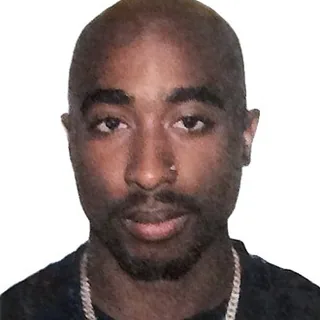 Tupac Shakur — Rapper and actor. His work frequently connects personal loyalty with social concern, illustrating care expressed through a forceful public voice.
 Gigi Hadid — Model. Her public support for charitable causes offers a limited comparison with using a visible position to advocate for others.
 Kelly Clarkson — Singer and presenter. Her direct, supportive public communication offers an illustration of warmth that can coexist with a strong personal boundary.
 Lucy Liu — Actor and artist. Her public advocacy and creative work offer a comparison with active involvement and maintaining an independent voice.
 Toni Morrison — Novelist and editor. Her work gives sustained attention to community, vulnerability and power, illustrating the relationship between care and refusing erasure.
 Patrick Swayze — Actor and dancer. His public work offers a limited comparison with commitment, emotional engagement and persistence under demanding circumstances.
 George Russell — Racing driver. His team responsibilities and driver representation offer a comparison with preparation, advocacy and the willingness to speak for collective concerns.
 Laura Bailey — Voice actor. Her collaborative performances offer an illustration of responsive engagement and helping sustain a shared creative undertaking.
 Spartacus — Historical rebel leader. His association with resistance offers a comparison with solidarity and opposition to domination, not a confirmed account of his private psychology.
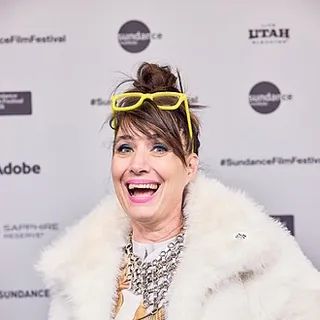 Kathleen Hanna — Musician and activist. Her work illustrates a protective concern for community expressed through directness, advocacy and resistance to being silenced.
Fictional Characters Associated with 268
 Joyce Byers — Stranger Things. Her refusal to abandon Will illustrates protective loyalty that remains active even when others dismiss what she believes is happening.
 Mike Wheeler — Stranger Things. His investment in his friends illustrates loyalty that can become forceful when connection or a shared sense of safety feels threatened.
 Vi — Arcane. Her fierce attachments and readiness to confront danger illustrate the Rescuer tension between protecting someone and respecting their changing autonomy.
 Natasha Romanoff / Black Widow — Marvel Cinematic Universe. Her practical protection of others illustrates loyalty expressed through action, alongside the difficulty of allowing her own vulnerability to be seen.
 Joel Miller — The Last of Us games. His attachment to Ellie illustrates both the strength of protective care and the moral danger of making every decision on another person's behalf.
 Jim Hopper — Stranger Things. His efforts to protect Eleven and his community illustrate care expressed through intervention, with recurring tension around boundaries and control.
 Jake Sully — Avatar films. His changing loyalties connect belonging and family protection with the determination to resist threats to the community he joins.
 Edward Elric — Fullmetal Alchemist: Brotherhood. His devotion to Alphonse illustrates responsibility made practical through knowledge, persistence and a readiness to challenge powerful institutions.
 Vander — Arcane. His protective role in the Lanes illustrates loyalty tempered by an awareness of how further confrontation can endanger the people he wants to defend.
 Love Quinn — You television series. Her possessive version of care offers a deliberately disturbing comparison, showing why attachment and protection do not justify coercion or violence.
Sources and scope
The Enneagram Tritype framework is attributed to Katherine Chernick Fauvre. This independent educational guide is not affiliated with or endorsed by Fauvre. It describes a theoretical framework for reflection; it is not a validated assessment, diagnosis or population study.

.jpg)

.jpg)

.jpg)
_(53838006028)_(cropped).jpg)


.jpg)


