The 258 label identifies the unordered Enneagram family formed by Types 2, 5 and 8, not a specific ordered result. The Strategist family combines these three types: the Helper from the Heart centre, the Investigator from the Head centre and the Challenger from the Gut centre. Within the Tritype framework, these three types create a personality pattern centred on usefulness, competence, strength and the ability to respond effectively when something important needs to be handled. The Strategist is often described as someone who wants to understand what is happening, identify what people or circumstances require, and possess enough knowledge, influence or practical capability to make a meaningful difference.
The Strategist can appear in six possible stacking orders: 258, 285, 528, 582, 825 and 852. All six contain the same three underlying types, but the order changes which motivation tends to lead. A Two-led Strategist may appear noticeably more interpersonal and service-oriented, a Five-led Strategist may seem more reserved and analytical, while an Eight-led Strategist may appear more commanding and immediately action-oriented. Beneath those differences, however, all six share the deeper combination of Two's concern with being valuable to others, Five's concern with competence and self-sufficiency, and Eight's concern with autonomy, strength and protection.
This creates a personality archetype with a distinctly practical quality. The Strategist may care deeply about people, but often prefers to express that concern through something tangible: solving a problem, obtaining useful information, offering protection, giving specialised advice, creating a plan or taking responsibility when others are uncertain. Sympathy without action can feel incomplete. In many forms of the type, affection and loyalty become closely associated with the ability to be genuinely useful.
There is also a strong theme of self-reliance running through the combination. Two wants to possess something valuable to give, Five wants enough knowledge and internal resources to avoid helpless dependence, and Eight wants enough strength to resist being controlled. When these tendencies work together constructively, the result can be someone remarkably capable, dependable and resourceful. When they become defensive, the same person may struggle to receive help, reveal vulnerability or relinquish control.
Looking for a particular stacking order?
258 — Two-led · 285 — Two-led · 528 — Five-led · 582 — Five-led · 825 — Eight-led · 852 — Eight-led
The Strategist at a Glance
| Feature | Description |
|---|---|
| Archetype | The Strategist |
| Family code | 2 · 5 · 8 |
| Possible orders | 6 |
| Centres | Heart (2) · Head (5) · Gut (8) |
| All six orders | 258 · 285 · 528 · 582 · 825 · 852 |
| Theoretical Dynamics | Rejection object-relations group shared by Types 2, 5 and 8 |
| Core Tendency | Meeting needs through usefulness, expertise, strength and practical intervention |
| Central Tension | Engagement with others versus the desire to remain self-sufficient and in control |
| Characteristic Strength | Combining people-awareness, analysis and decisive action |
| Potential Blind Spot | Overcontrol, guardedness or difficulty receiving support |
How Common Is the Strategist Tritype?
There are currently no large, representative population datasets that allow the prevalence of the Strategist Tritype or its six stacking orders to be estimated reliably. This is an important limitation because Enneagram and Tritype communities sometimes speak confidently about particular combinations being rare, common or unusually distinctive when there is not enough representative evidence to support exact frequency claims.
Trait frameworks such as the Big Five can draw upon very large psychometric datasets in which thousands of participants complete standardised measures. Tritype classifications generally do not have an equivalent empirical foundation. Frequency estimates are more likely to come from self-selected online tests, personality communities, practitioner observations or samples consisting disproportionately of people already interested in personality framework. These sources can reveal how particular labels are used, but they cannot tell us confidently how common a configuration is across the general population.
The Strategist is sometimes described as an uncommon or particularly formidable combination because all three component types belong to the same Rejection object-relations grouping. That theoretical symmetry does make 258 structurally interesting within Enneagram theory, but it does not demonstrate demographic rarity. It is therefore safer to concentrate on the internal logic of the archetype than to attach unsupported numbers to how frequently it supposedly occurs.
| Question | Current Position |
|---|---|
| Reliable population estimate? | None currently available |
| Representative prevalence dataset? | No |
| Six recognised stacking orders? | Yes |
| Confidence in exact frequency claims? | Low |
The most responsible interpretation is therefore descriptive rather than statistical. The Strategist can be examined as a proposed pattern involving helpfulness, knowledge and strength without pretending that current evidence allows us to say that one person in a particular number belongs to it.
What Does 258 Mean?
Tritype theory proposes that an individual uses one preferred Enneagram strategy from each of three traditional centres: Heart, Head and Gut. For the Strategist, these are Type 2 from the Heart centre, Type 5 from the Head centre and Type 8 from the Gut centre. Each type contributes something different, but the archetype becomes most interesting when those contributions are treated as an interacting system rather than as three unrelated lists of traits.
Type 2 contributes attention to other people's needs and a desire to be useful, valued or important within relationships. Type 5 contributes observation, specialised knowledge, intellectual independence and the tendency to prepare before becoming fully involved. Type 8 contributes force, decisiveness, protective instincts and resistance to being placed in a powerless or dependent position. Together, these tendencies can create someone who instinctively wants to know what is needed, what must be understood and what action will actually change the situation.
| Component | Centre | Broad Concern | Contribution to the Strategist |
|---|---|---|---|
| 2 — Helper | Heart | Connection, usefulness and interpersonal value | Awareness of people's needs, practical support and relationship investment |
| 5 — Investigator | Head | Knowledge, competence and autonomy | Analysis, expertise, preparation and intellectual independence |
| 8 — Challenger | Gut | Strength, autonomy and boundaries | Protection, decisiveness, directness and resistance to control |
A simplified way of understanding the combination is that Type 2 notices where value can be provided, Type 5 determines what needs to be understood, and Type 8 considers what power or action is necessary to bring the situation under control. The exact order differs according to stacking, but the shared theme is not merely intelligence or assertiveness. It is capability in the service of effective response.
This can produce a person who dislikes feeling useless in the face of difficulty. When something goes wrong, the Strategist may begin researching, organising, advising, intervening or protecting almost automatically. Emotional concern frequently translates into practical behaviour. Instead of saying only that a problem is unfortunate, the person may start finding out who needs to be contacted, what the relevant rules are, how the system works and what leverage exists to improve the outcome.
The Strategist Personality
The defining feature of the Strategist is the combination of interpersonal usefulness, analytical competence and protective strength. Many people care about others, and many people enjoy acquiring knowledge, but the 258 pattern theoretically combines those tendencies with a strong desire to remain capable of acting independently. This gives the archetype a practical, often formidable quality. Knowledge is rarely valuable only because it is interesting; it can also become a means of solving problems, protecting autonomy and ensuring that neither the Strategist nor the people they care about are left helpless.
The Five component contributes a tendency to step back from immediate involvement long enough to understand what is really happening. A Strategist may want to identify the structure beneath a problem rather than respond only to its visible symptoms. In a complicated situation, this can mean researching the relevant system, observing how different people behave, identifying hidden incentives or determining where actual decision-making authority lies. Understanding provides leverage because a person who knows how something works is harder to surprise, mislead or overwhelm.
Eight adds a much more active dimension. Once the Strategist believes they understand the situation, they may have relatively little difficulty moving from analysis into action. The person can therefore be quite different from the stereotype of a purely withdrawn intellectual. A Five-led Strategist may indeed spend considerable time observing before acting, but the Eight component means that analysis can eventually become decisive and confrontational when circumstances demand it. Knowledge becomes a preparation for intervention rather than an end in itself.
Capability can earn trust while leaving the need for support difficult to express.
Two makes the overall pattern more relational. Even a fairly private Strategist may possess strong awareness of who is struggling, who needs assistance and what can be done to make someone else's life easier. This does not necessarily produce overt warmth or sentimentality. A Strategist may show care by fixing a technical problem, defending someone in a conflict, providing money or information, taking responsibility during a crisis or anticipating practical needs before they are explicitly mentioned. Their support can therefore be easy to underestimate if affection is judged only by verbal reassurance.
This creates one of the central tensions within the archetype. The Strategist may be very comfortable being the capable person whom others depend upon, yet considerably less comfortable occupying the opposite position. Providing help confirms usefulness and strength, whereas needing help can expose uncertainty and dependence. The person may therefore build relationships in which they contribute a great deal while revealing relatively little about where they themselves feel vulnerable.
At their healthiest, Strategists can combine realism with genuine human concern. They are often able to see that emotional suffering has practical causes and that practical problems have emotional consequences. Rather than reducing everything to feelings or everything to systems, they can potentially operate in both domains. This can make them particularly valuable in situations requiring someone who understands both the people involved and the mechanisms governing the situation.
Problems arise when capability becomes defensive. A Strategist who increasingly believes that safety depends upon remaining the strongest, best-informed or most useful person in the room can become controlling without fully recognising it. Advice can turn into direction, protection can turn into ownership and competence can turn into impatience with anyone who solves problems differently. The very qualities that make the person dependable can then begin to restrict other people's independence.
The mature Strategist does not have to abandon strength or self-reliance. The healthier direction is to become secure enough in those capacities that they no longer need to be demonstrated constantly. Knowledge can be shared rather than hoarded, help can be offered without making the recipient dependent, and strong boundaries can coexist with genuine reciprocity. The person remains capable, but capability is no longer used primarily as armour.
How the Dominant Type Changes the Presentation
The Strategist should not be imagined as one fixed personality style because the leading type significantly changes how the underlying pattern appears. The Two-led Strategists, 258 and 285, usually place greater initial emphasis on people, usefulness and interpersonal contribution. They may be more visibly supportive and may establish relationships by demonstrating practical value. Their Five and Eight qualities often become visible when they need either specialised knowledge or enough force to protect someone or achieve an outcome.
The Five-led Strategists, 528 and 582, place competence and understanding at the centre of the personality. They may appear quieter, more private and more selective about involvement. Their helpfulness is often channelled through expertise, advice or specialist problem-solving, while Eight contributes enough strength to prevent the analytical orientation from becoming entirely passive. These variants may fit the conventional image of the strategist most closely because they naturally combine observation with preparation and eventual action.
The Eight-led Strategists, 825 and 852, are more likely to begin from questions of autonomy, power, protection and direct control over the environment. They can appear considerably more commanding than the other versions and may move towards a problem before they have spent as long analysing it. Two gives them greater sensitivity to people and loyalty, while Five adds strategic calculation and an appreciation of information. The result can be someone who leads from strength but is far more observant and relationally aware than a purely force-based stereotype would suggest.
These differences mean that a 258, a 582 and an 852 may not immediately look alike. One may appear supportive, another intellectual and another commanding. The deeper commonality lies in the repeated combination of being useful, being competent and being difficult to render powerless.
Inner Dynamics in Enneagram Theory
The theoretical structure of the Strategist becomes especially coherent when Types 2, 5 and 8 are considered through the Enneagram's object-relations model. All three belong to the Rejection group, sometimes described as sharing a sensitivity around dependence, value and the experience of needing something from an external world that may not reliably provide it. This should be treated as an element of Enneagram theory rather than an independently demonstrated psychological mechanism, but it provides a useful way of understanding why these three seemingly different personalities are grouped together.
Type 2 responds to the underlying problem by becoming valuable to others. If connection feels uncertain, the person can attempt to secure a place through usefulness, support or emotional importance. Type 5 responds differently by reducing dependence and building internal resources. If the external world may overwhelm or disappoint, knowledge and self-sufficiency can create a protected space in which fewer demands need to be made upon others. Type 8 takes a more confrontational route, seeking enough strength and autonomy that outside people cannot easily dominate or deprive the individual.
Within the Strategist, all three strategies can operate together. The person may implicitly learn that security comes from being useful enough to matter, knowledgeable enough not to be helpless and strong enough not to be controlled. This can produce impressive competence, because each part of the personality pushes towards some form of capability. Two develops interpersonal usefulness, Five develops specialised resources and Eight develops force and resilience.
The difficulty is that all three strategies can make receiving uncomfortable. If identity has become organised around what the person can provide, then openly needing something from another person may feel psychologically awkward. The Strategist can therefore become excellent at meeting needs while remaining much less comfortable acknowledging their own. This is one of the central developmental issues of the archetype: learning that reciprocal dependence is not the same as helplessness.
Healthy development does not require the Strategist to become less capable. Instead, it involves separating capability from worth. The person can remain useful without needing to be indispensable, knowledgeable without needing to possess every answer, and strong without refusing every experience of dependence. The result is a more flexible form of self-reliance in which cooperation is no longer experienced as a threat to autonomy.
The Two–Five Dynamic: Helping Through Knowledge
The interaction between Types 2 and 5 produces an unusual tension between involvement and distance. Two naturally turns attention towards other people and often wants to provide something of value, while Five protects energy, privacy and autonomy by keeping a degree of separation. A Strategist containing both tendencies may therefore be deeply helpful without being continuously sociable. The person can become highly involved when their expertise matters and then withdraw once the practical need has passed.
This combination can be particularly effective in advisory, mentoring or specialist roles. Two gives the person an incentive to make knowledge useful rather than merely accumulating it privately, while Five encourages help that is informed rather than impulsive. A Strategist may therefore prefer being the person who can explain the complex issue, locate the missing information or provide the specialist solution rather than someone whose contribution consists mainly of emotional encouragement.
Five can also act as a restraint on Two's tendency towards over-involvement. The person may recognise that effective support sometimes requires distance and that endlessly responding to every request eventually diminishes the quality of what can be offered. Conversely, Two can prevent Five's self-sufficiency from becoming completely detached by giving intellectual resources a relational purpose. The healthiest combination becomes selective, informed and genuinely useful support.
The difficulty appears when helping becomes a safe substitute for mutual intimacy. The Strategist may reveal expertise much more readily than need and can become accustomed to relationships in which they occupy the position of adviser rather than equal participant. Over time, this can create distance precisely in relationships that the person values most.
The Five–Eight Dynamic: Knowledge as Strategic Power
The relationship between Types 5 and 8 gives the Strategist much of its strategic quality. Both types are theoretically concerned with autonomy, but they protect it through very different methods. Five reduces vulnerability through knowledge, distance and control over resources, whereas Eight protects autonomy through strength, directness and boundary enforcement.
When these strategies work together, the person can become highly skilled at understanding a situation before deciding where and how to intervene. Rather than reacting blindly, the Strategist may gather information, identify the actual source of influence and wait until action is likely to matter. Once that point arrives, Eight can provide the willingness to act decisively.
This interaction is particularly useful in situations involving negotiation, conflict, technical complexity or institutional power. A person who possesses only analysis may understand a problem without changing it, while someone who possesses only force may act without fully appreciating the consequences. The Strategist potentially combines the two: Five determines where pressure should be applied, and Eight supplies the willingness to apply it.
The unhealthy version can become excessively guarded. Information may begin to be treated as a weapon, vulnerability as dangerous and relationships as arenas in which leverage must constantly be monitored. The person can become suspicious of motives and reluctant to disclose anything that might reduce their strategic advantage. The developmental challenge is to retain perceptiveness without assuming that every relationship is fundamentally a contest.
The Two–Eight Dynamic: Care Through Protection
Two and Eight create the more openly protective side of the Strategist. Type 2 notices needs and often wants to support people, while Type 8 is highly sensitive to vulnerability, exploitation and unwanted control. When these tendencies combine, care can become forceful. The person may not simply sympathise with someone who has been mistreated; they may want to confront the person responsible, change the situation or make sure the vulnerable individual cannot be easily harmed again.
This can produce impressive loyalty. Strategists may be selective about whom they trust, but once someone becomes part of the inner circle, they can devote substantial resources to defending or supporting them. Their protection may be emotional, financial, practical or social. They can become the person who makes the difficult telephone call, challenges an unfair decision, turns up during a crisis or uses their own influence on someone else's behalf.
The danger lies in assuming that protection automatically gives the protector the right to determine what happens next. A Strategist may sincerely believe they are helping while overriding the preferences of the person they intend to support. The healthier expression recognises that protection should ultimately increase another person's autonomy rather than replace it.
This distinction is particularly important for the Strategist because helping, knowledge and strength can combine into a powerful sense of certainty. The person may genuinely have better information or greater practical ability than someone else, yet even correct advice becomes controlling if the recipient is denied meaningful choice.
The Strategist's Three Social Responses
Another useful feature of the 258 combination is that its component types occupy three different social or Hornevian stances within Enneagram theory. Type 2 belongs to the moving-towards or compliant group, Type 5 belongs to the moving-away or withdrawn group, and Type 8 belongs to the moving-against or assertive group. This gives the Strategist access, at least theoretically, to three very different ways of responding to social pressure.
The Two component can move towards people through involvement, assistance and relationship-building. The Five component can withdraw, observe and preserve resources when immediate engagement would be premature. The Eight component can move directly against an obstacle when boundaries have been crossed or force is required. A mature Strategist can therefore possess a wide behavioural repertoire rather than relying upon one fixed response.
This flexibility can be enormously useful. There are situations where cooperation is most effective, others where distance allows better judgement and still others where direct confrontation is necessary. The strategically mature person is not the one who confronts everything. It is the person who understands which mode fits the situation.
Less healthy Strategists can become stuck in one strategy despite possessing the theoretical capacity for others. A Five-led version may analyse too long before acting, an Eight-led version may confront before enough information has been gathered, while a Two-led version may become involved in problems that would be better left to someone else. Development therefore involves using the full range deliberately rather than reflexively.
Strengths and Potential Blind Spots
Likely Strengths
One of the clearest strengths of the Strategist is resourcefulness. The combination encourages the person to notice several dimensions of a problem simultaneously. Two recognises who is affected and what support might be useful, Five examines the underlying mechanics, and Eight asks what action will materially change the outcome. This can produce unusually effective problem-solving because the person is not restricted to a purely intellectual, interpersonal or force-based response.
- The Strategist may also possess a strong form of protective competence. Acquiring expertise can have emotional significance because knowledge increases the person's ability to look after themselves and others. Someone fitting this pattern may therefore become highly capable in areas that directly affect autonomy or wellbeing. They may learn complicated systems, regulations, technologies or procedures not simply from curiosity but because understanding those systems reduces dependence and improves their ability to act.
- There can also be considerable social perception. Two brings attention towards people, Five encourages observation and Eight notices power and boundaries. Together, these influences can produce a person who quickly identifies who actually controls a situation, who is being overlooked, which relationships matter and where formal authority differs from practical influence. This does not make every Strategist socially sophisticated, but the theoretical combination provides a strong basis for strategic awareness of human systems.
- Another strength is decisive responsibility. Some people can understand a problem very well but hesitate to assume responsibility for the outcome. The Eight component can make that less likely. Once the Strategist believes that action is necessary, they may be willing to accept a level of responsibility that other people avoid, particularly when the welfare of someone they care about is involved.
Potential Blind Spots
The central blind spot is that competence can become control. If the Strategist genuinely understands the situation better than others, it can seem inefficient to allow someone else to make a weaker decision. Repeated often enough, this attitude can produce a person who gradually takes over rather than teaches, delegates or collaborates. The person may become indispensable partly because they never allow anyone else enough room to develop equivalent capability.
A second difficulty is the reluctance to receive. Strategists can resent carrying too much responsibility while simultaneously making it difficult for other people to support them. Assistance may be rejected because it feels unnecessary, intrusive or insufficiently competent. Over time, this can create a self-reinforcing cycle in which the person genuinely becomes the only one who knows how everything works.
There is also a danger of treating feelings primarily as information about what should be fixed. Sometimes another person does not need a plan, a defence strategy or a solution. They need attention without immediate intervention. The Strategist may have to learn that listening can itself be useful even when nothing tangible is being repaired.
The broader developmental task is therefore not to become weaker or less competent. It is to allow competence to exist alongside trust, reciprocity and respect for other people's agency. Strength becomes most effective when it does not have to dominate every situation in which it appears.
Relationships and Communication
Strategists are likely to value loyalty, honesty, usefulness and reliability in close relationships. Grand declarations may matter less than whether someone can actually be depended upon when circumstances become difficult. A person who consistently follows through, respects boundaries and behaves competently may earn far more trust than someone who is highly expressive but unreliable.
The Strategist's own affection may often be expressed in the same practical language. Researching something important, giving advice, protecting someone's interests, solving a problem, helping financially or quietly anticipating a need can all function as significant expressions of attachment. This can make Strategists extremely dependable partners and friends, although people who expect care to be communicated primarily through emotional language may occasionally underestimate what is being offered.
The challenge is that practical loyalty can become a substitute for emotional exposure. A Strategist may provide extraordinary support while revealing very little about fear, dependency, uncertainty or emotional need. The relationship can therefore become deep in terms of commitment while remaining asymmetrical in terms of vulnerability. The other person knows they can rely on the Strategist but may not know whether the Strategist feels equally comfortable relying on them.
Receiving help does not have to surrender personal autonomy.
Control can also become an issue. The Strategist may identify a solution quickly and assume that the obvious next step is to implement it. In relationships, however, people are not technical systems. Another person may prefer to make a less efficient choice because it preserves their sense of independence, and respecting that choice can be an important form of care.
Communication style varies significantly by stacking. Two-led Strategists often pay more attention to how information affects the relationship and may soften directness where necessary. Five-led Strategists are more likely to think privately before speaking and may prefer precise, substantive conversation to emotional improvisation. Eight-led Strategists can be much more immediate, particularly when they believe someone is avoiding the central issue.
Across the family, one particularly useful principle is that clarity does not require control. The Strategist can explain what they believe, offer evidence and state a boundary without determining what another competent adult must choose. Relationships become healthier when advice remains advice and protection does not become ownership.
At their best, Strategists create relationships in which both people become stronger. Rather than building dependence, they use their knowledge and reliability to create enough security that mutual autonomy becomes possible.
Work and Career Preferences
The Strategist archetype is likely to appreciate work that provides some combination of autonomy, complexity, practical impact and meaningful responsibility. Roles in which the individual is expected merely to follow poorly designed procedures can become frustrating, particularly when the person believes that a better-informed approach would produce superior results. The Strategist often wants enough access to information to understand the problem and enough authority to do something useful with that understanding.
- Five-led Strategists may be especially comfortable in areas requiring technical expertise, research, analysis or independent problem-solving. Fields such as engineering, medicine, law, software, cybersecurity, finance, intelligence analysis, scientific research and specialist consulting can all provide opportunities to transform knowledge into capability. The exact profession matters less than the underlying structure: there is a difficult system to understand, competence matters and accurate judgement has practical consequences.
- Two-led Strategists may be more drawn towards situations in which knowledge is used directly for the benefit of other people. Medicine, teaching, mentoring, professional advisory work, advocacy, counselling, management and various forms of specialist service can provide this combination. The person may particularly enjoy being able to offer something genuinely valuable rather than occupying a purely decorative interpersonal role.
- Eight-led Strategists may find greater satisfaction in leadership, entrepreneurship, negotiation, organisational strategy, operations, crisis management, litigation or other environments in which decisions must be made under pressure. Their Five component can prevent leadership from becoming purely instinctive, while Two can make them more attentive to the people affected by those decisions.
Across all versions, the Strategist may have difficulty respecting authority that appears disconnected from competence. Formal hierarchy alone is unlikely to be persuasive if the person believes someone lower in rank understands the problem better. This can create friction in heavily bureaucratic organisations where procedure matters more than expertise.
At the same time, the Strategist needs to be careful about becoming the universal problem-solver. Organisations quickly learn who can be relied upon, and competent people are often rewarded with more responsibility rather than fewer problems. A Strategist who has difficulty refusing important requests may therefore become overloaded precisely because they repeatedly demonstrate that they can cope.
Delegation can be a particularly important developmental skill. For this archetype, delegation is not simply about saving time. It can require accepting that another person may perform a task differently, make mistakes and still eventually become competent. A Strategist who never tolerates imperfect learning can accidentally ensure that nobody else develops enough skill to share the burden.
The ideal work environment therefore often combines meaningful autonomy with genuine collaboration. The person should have enough independence to use their judgement but enough capable people around them that responsibility does not become permanent isolation.
Leadership and Influence
The Strategist can possess substantial leadership potential because the archetype combines three qualities that are often valuable in positions of responsibility: understanding people, understanding systems and being willing to make difficult decisions. Two contributes sensitivity to interpersonal needs, Five contributes analysis and Eight contributes the willingness to exercise authority when necessary.
At its healthiest, this can produce a leader who is both protective and competent. Such a person may understand the technical realities of the work, defend their team from unreasonable demands and ensure that resources are available when problems arise. Employees may experience the leader as demanding but dependable, particularly if decisions are clearly connected with practical reality rather than ego.
The less healthy version can become paternalistic. Because the Strategist may sincerely care about other people's welfare while also possessing considerable confidence in their own judgement, it can become easy to assume that benevolent control is still benevolent. The person may begin making decisions for others because they believe the outcome will be better.
The strongest Strategist leadership therefore aims to increase capability throughout the system. Instead of surrounding themselves with people who need constant direction, mature Strategists teach, delegate, develop expertise in others and create structures that function even when they are absent.
This is a significant measure of growth for the archetype. A leader who must remain indispensable has created dependence. A leader who can disappear temporarily without the system collapsing has created strength.
Stress and Growth
Under prolonged stress, the Strategist's strengths can become increasingly rigid. Helpful involvement can turn into compulsive responsibility, analytical preparation can become excessive vigilance and strong boundaries can become a need to control every important variable. The person may respond to uncertainty by taking on more responsibility because personal control feels safer than trusting an unreliable environment.
Initially, this strategy may work. The Strategist researches more thoroughly, intervenes more decisively and prevents several problems from occurring. Success then reinforces the belief that things are functioning only because the person remains in control. Delegation decreases, responsibility accumulates and other people become increasingly accustomed to relying on the Strategist.
Eventually, resentment can develop. The person may wonder why nobody else is capable of handling anything while failing to recognise how often they have stepped in before others had the opportunity to develop capability. Two may feel unappreciated, Five may become exhausted and withdraw, while Eight may become angry that everyone seems dependent.
This produces a central paradox of the archetype: the Strategist may resent being indispensable while unconsciously maintaining the conditions that make indispensability possible.
Growth therefore involves becoming more comfortable with reciprocity and uncertainty. The person can ask for help before exhaustion, allow someone else to handle an important task and reveal uncertainty without believing that their authority or competence has disappeared. These may seem like small behavioural changes, but they challenge the deeper assumption that safety depends upon personal capability being greater than everyone else's.
For Two-led Strategists, development may involve acknowledging needs before they are converted into service for someone else. For Five-led Strategists, it may involve sharing information and vulnerability rather than remaining self-contained until complete certainty has been achieved. For Eight-led Strategists, it may involve discovering that collaboration can preserve autonomy rather than threaten it.
Resourcefulness includes recognising when direct control will not help.
The mature Strategist remains resourceful, knowledgeable and strong. The difference is that strength becomes flexible. The person can lead when leadership is needed, support when support is useful, withdraw when reflection is necessary and allow someone else to take over when that is the wiser choice.
The Six Strategist Stackings
The six Strategist stackings contain the same three component types but give them different priorities. The first number indicates the dominant type, while the second and third indicate the relative prominence of the remaining centre strategies. These differences should be understood as shifts of emphasis rather than six unrelated personality structures.
| Stacking | Lead Type | Secondary Emphasis | Typical Presentation |
|---|---|---|---|
| 258 | Two | Five | Helpful, informed, observant and quietly protective |
| 285 | Two | Eight | Helpful, forceful, protective and intervention-oriented |
| 528 | Five | Two | Analytical, advisory, useful and selectively interpersonal |
| 582 | Five | Eight | Analytical, strategic, independent and boundary-conscious |
| 825 | Eight | Two | Protective, commanding, relationally aware and action-oriented |
| 852 | Eight | Five | Strategic, controlled, analytical and highly autonomous |
258 — Two → Five → Eight
In 258, Type 2 provides the dominant orientation, so usefulness and interpersonal value tend to come first. The person may instinctively notice where assistance is required and want to become someone whose contribution genuinely matters. Unlike a more openly emotional version of Type 2, however, the secondary Five influence can make the 258 noticeably more restrained and knowledge-oriented. Helping is often expressed through competence rather than through continual emotional availability.
The Five influence encourages the 258 to understand before acting. If someone is facing a complicated problem, the person may begin researching, asking precise questions or learning the relevant system so that the support offered is actually useful. This can create the image of the knowledgeable adviser: someone who becomes valuable partly because they know what other people do not and are willing to use that information constructively.
Eight occupies the tertiary position but still contributes substantial backbone. The 258 can appear gentle or reserved until an important boundary is crossed, at which point the protective quality may become much more obvious. Someone who has calmly investigated a problem for hours can suddenly become very direct once they believe intervention is justified.
The broad pattern is therefore usefulness first, understanding second and protection third. Compared with 285, the 258 is likely to appear more analytical and less immediately confrontational.
285 — Two → Eight → Five
In 285, Type 2 again provides the central orientation, but Eight occupies the secondary position. The desire to help therefore connects much more directly with protection, action and boundary enforcement. The person may quickly move from recognising someone's need to deciding that something should actually be done about it.
This can produce a forceful version of the Helper. The 285 may be less interested in offering passive reassurance when direct intervention is available. If someone close to them is being exploited, ignored or treated unfairly, the person may feel almost personally compelled to address it.
Five remains important in the tertiary position and supplies analysis, information gathering and a degree of strategic restraint. The 285 is therefore not simply impulsive. The person can become highly knowledgeable when necessary, but knowledge often functions in support of an already active protective stance.
The broad pattern becomes usefulness first, protection second and understanding third. Compared with 258, the 285 may appear more openly assertive, emotionally immediate and comfortable using direct influence.
528 — Five → Two → Eight
In 528, Type 5 becomes dominant, making understanding, competence and intellectual independence the central orientation. The person may initially appear more like a private specialist than an interpersonal helper. Nevertheless, the secondary Two influence gives that expertise a relational purpose.
Knowledge is often most satisfying when it can be useful. The 528 may enjoy explaining difficult concepts, advising others, troubleshooting specialised problems or becoming someone whose expertise is trusted. This can produce a distinctive mixture of reserve and generosity: the person may not seek constant social interaction but can become exceptionally engaged when there is something meaningful they can contribute.
Eight provides strength in the tertiary position. Although the 528 may prefer analysis to confrontation, there can be considerable firmness underneath the quieter surface. If the person's expertise is dismissed unfairly or someone they value is threatened, they may become much more direct than expected.
The broad pattern is understanding first, usefulness second and protection third. Compared with 582, the 528 generally places more emphasis on using expertise in direct relationship with other people.
582 — Five → Eight → Two
In 582, Type 5 remains dominant but Eight occupies the secondary position. This produces a more strategically self-protective version of the Five-led Strategist. Knowledge is not only interesting or useful; it also becomes an important source of independence and leverage.
The person may have a strong preference for understanding systems before exposing themselves to them. Information reduces vulnerability because it makes the environment more predictable. Once the relevant structure is understood, the Eight influence encourages decisive action rather than indefinite contemplation.
Compared with 528, the 582 may appear more guarded, self-contained and sceptical about dependence. The person can become highly capable in areas where competence protects autonomy, and they may prefer possessing enough knowledge to deal with a problem personally rather than relying upon unreliable external assistance.
Two remains present in the tertiary position and can produce considerable loyalty and practical helpfulness towards selected people. The person may not appear overtly nurturing, but they can invest substantial resources in those they genuinely value.
The broad pattern becomes understanding first, autonomy second and usefulness third. Of the six versions, 582 may be one of the clearest examples of the Strategist as a private analyst who converts information into practical control.
825 — Eight → Two → Five
In 825, Type 8 provides the dominant orientation, so autonomy, strength and protection come first. The secondary Two influence, however, gives that strength a distinctly relational quality. The person may see themselves not merely as independent but as someone capable of protecting and supporting other people.
This can produce a highly involved form of leadership. The 825 may be willing to take responsibility quickly, confront obstacles directly and use their own strength on behalf of people they value. Loyalty can be intense, and the person may take betrayal or mistreatment of close others almost as seriously as an attack on themselves.
Two softens the Eight core without necessarily making it passive. Warmth and force can coexist. The person may be generous, supportive and socially engaged while remaining very clear about boundaries and unwilling to tolerate manipulation.
Five occupies the tertiary position and adds greater strategic awareness. The person can therefore move beyond immediate force and learn when information, timing or restraint will produce a better result.
The broad pattern is autonomy first, protection of people second and analysis third. Compared with 852, the 825 is likely to appear more relationally expressive and visibly involved with other people's lives.
852 — Eight → Five → Two
In 852, Type 8 remains dominant but Five occupies the secondary position. The result is a more analytical, controlled and strategically guarded expression of the Eight-led Strategist.
The person still wants autonomy and retains the Eight willingness to act directly, but Five encourages greater observation before resources are committed. Rather than pushing against every obstacle immediately, the 852 may prefer to understand the terrain, identify leverage and choose the moment of intervention carefully.
This can create an imposing but relatively private personality. The person may not reveal intentions easily and can place considerable value on being informed before others recognise what they are preparing to do. Strength becomes strategic rather than merely forceful.
Two remains present in the tertiary position and contributes loyalty, helpfulness and concern for selected individuals. The person may therefore possess a softer interpersonal layer that is visible primarily within trusted relationships rather than in public presentation.
The broad pattern becomes autonomy first, understanding second and usefulness third. Compared with 825, the 852 may appear more reserved, calculating and difficult to read.
Wings and Other Secondary Influences
The dominant type of each Strategist stacking can be modified further by wings and other elements of Enneagram theory. Because the family can be led by Type 2, Type 5 or Type 8, there is no single wing distinction that applies to everyone who identifies with the 258 archetype.
A Two-led Strategist may show stronger influence from Type 1 or Type 3. Greater One influence may produce more restraint, responsibility and concern with doing things correctly, while greater Three influence can make the person more ambitious, socially adaptable and externally achievement-oriented. A Five-led Strategist may show stronger Four- or Six-wing qualities, with Four potentially adding greater individuality and introspection and Six contributing more verification, caution and concern with reliability.
Eight-led Strategists may show stronger influence from Type 7 or Type 9. A stronger Seven wing can make the person more expansive, energetic and entrepreneurial, while stronger Nine influence may produce a calmer, more contained and less immediately confrontational style. These modifiers can alter the tone substantially without changing the underlying 2–5–8 structure.
Wings are therefore best treated as secondary refinements. They help explain why two people with the same stacking may still differ considerably in pace, emotional style and social presentation.
Related Tritype Archetypes
Comparing the Strategist with neighbouring archetypes helps clarify what each component contributes. The 358 Solution Master retains Types 5 and 8 but replaces Two with Type 3. Analysis and assertiveness therefore remain, but the Heart component becomes more focused on achievement, performance and demonstrable effectiveness. Compared with the Strategist, the Solution Master may place less emphasis on being personally useful to others and more emphasis on producing visible success.
The 268 Rescuer retains Types 2 and 8 but replaces Five with Type 6. Helpfulness and protection remain central, but the Head strategy becomes more concerned with security, loyalty, questioning and anticipation of potential threats. Compared with the Strategist, the Rescuer may therefore appear more vigilant or relationally security-conscious and somewhat less detached in its analytical style.
The 259 Problem Solver retains Types 2 and 5 but replaces Eight with Type 9. The combination still values useful knowledge and practical support, but the Gut component becomes more associated with accommodation and conflict reduction. Compared with the Strategist, the Problem Solver may therefore prefer quieter influence and be less inclined to exert direct pressure.
These comparisons are useful because they show exactly what changes when one component is exchanged. The distinctiveness of the Strategist lies not merely in having Two, Five and Eight traits, but in combining helpfulness with intellectual independence and assertive strength.
The Strategist and the Big Five
The Enneagram and Big Five describe personality using fundamentally different models, so there is no direct conversion between the Strategist Tritype and a particular Big Five profile. Any comparison between them should be understood as descriptive rather than empirical.
The intellectual curiosity and specialist orientation associated with Type 5 could resemble aspects of higher Openness to Experience, particularly in Strategists who are strongly interested in abstract or technical subjects. However, some people may express Five primarily through practical expertise rather than broad imaginative curiosity, so high Openness should not be assumed automatically.
The Eight component may sometimes resemble lower Agreeableness, especially where Agreeableness involves compliance, accommodation and reluctance to challenge others. Two complicates this picture significantly because the same Strategist can be compassionate and highly invested in other people's wellbeing while remaining unwilling to submit to external pressure. A person can therefore be prosocial without being especially compliant.
Extraversion may vary considerably depending on stacking. Two- and Eight-led forms may be socially assertive and highly engaged, while Five-led Strategists may be much more reserved. Conscientiousness can likewise range from highly organised and disciplined to more improvisational forms of practical competence.
The Strategist and 16-Type Systems
The Strategist may also resemble several descriptions found within Jungian and MBTI-style systems, particularly profiles associated with independence, problem-solving and strategic thinking. Five-led Strategists may sometimes recognise aspects of INTJ, INTP or ISTP descriptions because of the emphasis on competence, analysis and private judgement. Eight-led Strategists may identify more readily with assertive profiles such as ENTJ, ESTP or ESTJ, particularly where leadership and direct control of the environment are prominent.
Two-led Strategists may identify with more interpersonal profiles such as ENFJ or ESFJ, although the Five and Eight components could make them substantially more guarded and strategically independent than simplified stereotypes of those types suggest. Other combinations are entirely possible because the frameworks describe different aspects of personality.
The important point is that these are similarities of presentation rather than conversions. Enneagram theory focuses primarily on motivation, defensive patterns and recurring interpersonal strategies, while Jungian and MBTI-style systems organise personality according to different conceptual principles.
A 582 is therefore not automatically an INTJ, just as an ENTJ is not automatically an 852. The systems are most useful when treated as separate perspectives that may sometimes overlap without being interchangeable.
The Strategist in One Sentence
The 258 Strategist Tritype combines interpersonal usefulness, analytical competence and protective strength into a resourceful personality that seeks to understand what is needed, acquire the means to provide it and retain enough autonomy to act effectively.
Famous People and Fictional Characters Associated with 258
These examples offer illustrative comparisons with the 258 family, not confirmed personality assessments. The family includes all six orders of its three types; an example need not use the ascending 258 order. A public career or fictional story cannot establish someone's private motivations. Fictional examples refer to the works or versions named below, and are illustrations rather than role models.
Famous People Associated with 258
 Nick Offerman — Actor and woodworker. His public work connects craft, practical knowledge and self-reliance, offering an illustration of competence expressed through making and doing.
 Kate Beckinsale — Actor. Her public wit and independent presentation offer a limited comparison with intellectual resourcefulness and personal boundaries, separate from her screen roles.
 Susan Sarandon — Actor and activist. Her sustained public advocacy illustrates involvement that moves beyond sympathy towards taking a visible position.
 Isao Takahata — Animation director. His carefully observed stories illustrate creative expertise concerned with the realities of other people's lives rather than technique alone.
 Cornel West — Philosopher and public intellectual. His combination of scholarship and advocacy illustrates knowledge brought into forceful engagement with social questions.
 Dianna Cowern — Science communicator known as Physics Girl. Her demonstrations illustrate specialist understanding turned into accessible, practical explanations for others.
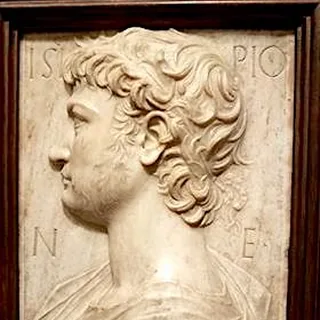 Scipio Africanus — Roman general. His historical military role offers a comparison with strategic understanding and decisive intervention, not evidence of a confirmed private personality.
 Hatshepsut — Egyptian pharaoh. Her building and trading projects offer a historical illustration of authority, resources and purposeful practical organisation.
 Ziggy Marley — Musician. His creative work and charitable involvement offer a comparison with expressing care through an independent public platform.
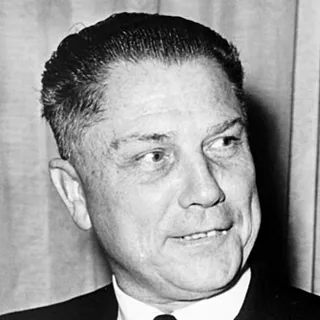 Jimmy Hoffa — Labour leader. His association with collective bargaining illustrates the intersection of interpersonal influence, organisation and the pursuit of practical leverage.
Fictional Characters Associated with 258
 The Ninth Doctor — Doctor Who (2005). His knowledge and forceful interventions illustrate care expressed through solving problems while keeping much of his own experience guarded.
 Grace Augustine — Avatar films. Her scientific expertise and defence of the Na'vi connect understanding a living system with the determination to protect it.
 He-Man — He-Man and the Masters of the Universe (1983). His protective role offers a direct fictional illustration of strength treated as a resource for helping others.
 Eivor Varinsdottir — Assassin's Creed Valhalla. Her leadership combines loyalty, practical judgement and the capacity to act decisively when her community's position is threatened.
 Misty Quigley — Yellowjackets. Her useful knowledge and intrusive involvement offer a disturbing illustration of how wanting to be needed can become manipulative rather than genuinely supportive.
 Lusamine — Pokémon Sun and Moon. Her controlling version of protection illustrates the danger of treating care as justification for overriding other people's autonomy.
 Kishibe — Chainsaw Man. His experience and unsentimental training illustrate practical expertise intended to keep others alive without relying on reassuring appearances.
 Elaine — The Love Witch (2016). Her pursuit of intimacy offers an unsettling fictional comparison with influence, self-sufficiency and attempts to control an interpersonal outcome.
 Gouhin — Beastars. His combination of specialist knowledge and direct intervention illustrates help that is practical, demanding and concerned with managing real consequences.
 Raul Menendez — Call of Duty. His strategic manipulation of loyalties is an antagonistic illustration of the family's themes, not an endorsement or a model of healthy development.
Sources and scope
The Enneagram Tritype framework is attributed to Katherine Chernick Fauvre. This independent educational guide is not affiliated with or endorsed by Fauvre. It describes a theoretical framework for reflection; it is not a validated assessment, diagnosis or population study.
_(cropped).jpg)

.jpg)

_(cropped).jpg)
.png)
.jpg)
.jpg)

.jpg)
.jpg)
.png)