The 259 label identifies the unordered Enneagram family formed by Types 2, 5 and 9, not a specific ordered result. The Problem Solver family combines these three types: the Helper from the Heart centre, the Investigator from the Head centre and the Peacemaker from the Gut centre. Within the Tritype framework, these three types form a broader personality archetype characterised by thoughtful helpfulness, analytical problem-solving, interpersonal sensitivity and a preference for resolving difficulties without creating unnecessary conflict.
The Problem Solver can appear in six possible stacking orders: 259, 295, 529, 592, 925 and 952. Each contains the same underlying three types, but the order indicates which strategy tends to lead the personality and which of the remaining two receives stronger secondary emphasis. A Two-led 259 may appear comparatively warm, responsive and service-oriented, a Five-led 592 may seem substantially more private and analytical, while a Nine-led 952 may present as calm, accommodating and quietly observant. Beneath those differences, however, the same three themes remain: Two's concern with being helpful, Five's concern with understanding and competence, and Nine's concern with stability, harmony and reduction of unnecessary conflict.
The overall effect is often a personality style that approaches difficulty through understanding, assistance and de-escalation. Where the related 258 Strategist adds the forceful influence of Type 8, the 259 substitutes Type 9 and therefore tends to resolve problems in a quieter manner. The individual may still be highly capable, but there is generally less theoretical emphasis on imposing a solution and more emphasis on finding one that can be accepted, maintained and integrated without creating additional disruption.
This makes the archetype particularly interesting because it combines considerable inwardness with a genuine orientation towards other people. Types 5 and 9 both contribute withdrawn tendencies, yet Type 2 pulls attention towards relationship and usefulness. A Problem Solver may therefore need substantial privacy and independence while simultaneously deriving satisfaction from helping, advising or quietly making life easier for the people around them.
Looking for a particular stacking order?
259 — Two-led · 295 — Two-led · 529 — Five-led · 592 — Five-led · 925 — Nine-led · 952 — Nine-led
The Problem Solver at a Glance
| Feature | Description |
|---|---|
| Archetype | The Problem Solver |
| Family code | 2 · 5 · 9 |
| Possible orders | 6 |
| Centres | Heart (2) · Head (5) · Gut (9) |
| All six orders | 259 · 295 · 529 · 592 · 925 · 952 |
| Theoretical Dynamics | Rejection overlap (2,5) · Withdrawn overlap (5,9) · Positive Outlook overlap (2,9) |
| Core Tendency | Understanding problems carefully and helping to resolve them with minimal unnecessary disruption |
| Central Tension | Wanting to be useful while protecting privacy, energy and inner stability |
| Characteristic Strength | Patient, informed and non-confrontational problem-solving |
| Potential Blind Spot | Avoidance of difficult confrontation, excessive self-effacement or remaining in analysis rather than acting |
How Common Is the Problem Solver Tritype?
There are currently no large, representative population datasets that allow the prevalence of the 259 Problem Solver or its six individual stacking orders to be estimated reliably. This limitation applies broadly to Tritype frequency claims. Although Enneagram communities sometimes describe particular combinations as common, rare or unusually distinctive, such impressions generally arise from self-selected groups rather than representative demographic research.
The situation differs substantially from personality models such as the Big Five, where researchers can analyse large datasets containing standardised measurements from thousands of participants. Enneagram and Tritype classifications generally do not possess the same empirical infrastructure. Online test results, practitioner impressions and community surveys can reveal which labels appear frequently among people already interested in personality systems, but they cannot tell us with confidence how common those patterns are throughout the general population.
The Problem Solver may sometimes appear less outwardly conspicuous than more assertive Tritype combinations because two of its three component types, Five and Nine, belong to the Enneagram's withdrawn grouping. That observation might make the archetype seem underrepresented in highly visible personality communities, but it does not provide evidence of actual rarity. Quietness, privacy and reluctance to self-promote can affect visibility without telling us anything reliable about population frequency.
| Question | Current Position |
|---|---|
| Reliable population estimate? | None currently available |
| Representative prevalence dataset? | No |
| Six recognised stacking orders? | Yes |
| Confidence in exact frequency claims? | Low |
The most responsible approach is therefore to treat the Problem Solver as a theoretical personality configuration and evaluate the internal coherence of its description without attaching unsupported percentages or claims of exceptional rarity.
What Does 259 Mean?
Tritype theory proposes that an individual relies upon one preferred Enneagram strategy from each of three traditional centres: Heart, Head and Gut. For the Problem Solver, these are Type 2 from the Heart centre, Type 5 from the Head centre and Type 9 from the Gut centre. Each contributes a different way of responding to life, but the distinctive character of the archetype emerges from how the three interact.
Type 2 brings awareness of other people's needs and a desire to contribute something useful or supportive. Type 5 contributes observation, knowledge, careful analysis and a preference for understanding a problem before becoming deeply involved. Type 9 adds patience, receptivity and sensitivity to tension, often encouraging solutions that preserve stability rather than escalating conflict. Together, they can produce someone who instinctively asks not merely what is wrong, but what is actually happening, what does this person need and how can the issue be resolved without making the situation worse.
| Component | Centre | Broad Concern | Contribution to the Problem Solver |
|---|---|---|---|
| 2 — Helper | Heart | Connection, usefulness and interpersonal value | Supportiveness, attention to needs and motivation to assist |
| 5 — Investigator | Head | Knowledge, competence and autonomy | Analysis, expertise, objectivity and careful problem definition |
| 9 — Peacemaker | Gut | Stability, harmony and inner equilibrium | Patience, perspective-taking, mediation and resistance to unnecessary conflict |
The three components therefore contribute complementary functions. Two encourages engagement with the human side of the problem, Five encourages accurate understanding, and Nine encourages a solution that reduces friction rather than creating another source of instability. The resulting style can be quietly effective because it does not necessarily seek recognition for having solved the problem.
A simplified formulation would be that Two asks what would help, Five asks what is really happening, and Nine asks how the situation can be settled without unnecessary disturbance. Different stacking orders change the priority of those questions, but all three remain theoretically active across the wider Problem Solver family.
The Problem Solver Personality
The defining feature of the Problem Solver is the combination of helpfulness with thoughtful restraint. The person may genuinely care about making things easier for others, yet unlike a more openly interventionist helper, they are often inclined to observe carefully before deciding what assistance is actually useful. This gives the archetype a measured quality. Problems are ideally understood before they are acted upon, and solutions are ideally introduced without generating avoidable resistance.
The Five component supplies much of the analytical character. A Problem Solver may naturally step back from confusing or emotionally charged situations in order to identify their structure. They may want to know what caused the problem, which information is missing, what has already been tried and which part of the situation is actually within anyone's control. This tendency can make them valuable when other people are reacting to symptoms rather than examining the underlying mechanism.
Type 2 ensures that analysis does not necessarily remain detached. Understanding often becomes valuable because it can be used to help. The person may research something on another individual's behalf, explain a complicated system, offer specialised advice or quietly take care of a problem that someone else finds overwhelming. In this sense, competence becomes relational. Knowing things is not merely a private achievement; it can become a way of contributing.
Quiet understanding becomes useful when it is willing to enter the situation.
Type 9 changes the emotional tone considerably. Rather than approaching the problem with the forceful boundary-setting associated with Type 8, the Problem Solver is theoretically more inclined towards patience, accommodation and gradual resolution. There may be a natural ability to see several perspectives at once, particularly when other people have become polarised. The individual can sometimes function as a translator between competing positions because they are less invested in immediate victory than in finding a workable arrangement.
This does not necessarily mean the Problem Solver lacks convictions. Quiet personalities are often mistaken for passive personalities, and the 259 combination can be considerably more independent than it initially appears. Five has strong preferences around intellectual autonomy, and Nine can possess a deeply rooted internal resistance to being pushed. Rather than confronting pressure immediately, however, the person may disengage, delay or quietly continue doing what seems reasonable.
This gives the archetype an important contrast between external gentleness and internal independence. The Problem Solver may be easy to get along with, willing to listen and reluctant to create unnecessary friction, yet still possess a private intellectual framework that is not easily altered by social pressure. They may accommodate other people's preferences on relatively unimportant matters while remaining unexpectedly immovable about something they have considered carefully.
Another characteristic feature can be a relatively low appetite for drama. Two and Nine can both encourage the preservation of relationships, while Five tends to dislike emotionally intrusive situations that consume excessive energy. The combined personality may therefore prefer relationships and working environments where issues can be discussed calmly, responsibilities are clear and people do not manufacture conflict merely to maintain stimulation.
At their best, Problem Solvers can be exceptionally reassuring people to have around during difficulty. They may not dominate the room or insist upon immediate action, but they can bring a stabilising mixture of practical support, careful reasoning and emotional steadiness. Their contribution is often less about taking control and more about making the problem gradually become more understandable and therefore more manageable.
The risk is that restraint can turn into passivity. Because Five wants more information, Nine dislikes disruption and Two may worry about upsetting other people, the person can sometimes remain in a problematic situation longer than is useful. They may understand the issue perfectly but hesitate to introduce the discomfort required to resolve it.
The developmental challenge is therefore to preserve patience without allowing patience to become avoidance. Some problems can indeed be solved gently, but others require a clear boundary, an uncomfortable conversation or decisive action. The mature Problem Solver knows the difference.
How the Dominant Type Changes the Presentation
The Problem Solver should not be imagined as a single uniform personality because the dominant type substantially changes how the underlying 2–5–9 structure appears. Two-led Problem Solvers — 259 and 295 — are generally more visibly oriented towards people. They may notice another person's needs before they begin analysing the broader system and can be highly motivated by the feeling that their knowledge or calm presence is genuinely useful. Their withdrawal is likely to occur after interpersonal involvement rather than before it.
Five-led Problem Solvers — 529 and 592 — place understanding, independence and expertise at the centre. These variants may appear substantially more reserved and may prefer to contribute through specialist knowledge rather than broad emotional availability. Their helpfulness can be very real, but it is often selective, practical and channelled through competence. Nine further softens the presentation, making these variants potentially among the quieter and more self-contained members of the Tritype system.
Nine-led Problem Solvers — 925 and 952 — begin from the desire for stability, inner equilibrium and reduced conflict. They may appear particularly patient and approachable, with Two contributing concern for people and Five contributing intellectual depth. Their problem-solving style may be gradual rather than forceful: absorb the situation, understand the different sides, work out what would help and introduce the least disruptive effective solution.
A 259 may therefore look like a thoughtful helper, a 592 like a quiet specialist and a 925 like a reassuring mediator. Their commonality lies not in surface energy but in a shared preference for understanding difficulties and improving them without unnecessary force.
Inner Dynamics in Enneagram Theory
Unlike some Tritype combinations in which all three component types belong to one shared theoretical grouping, the Problem Solver is interesting because its coherence emerges through several overlapping pairs. Types 2 and 5 share the Rejection object-relations group, Types 5 and 9 share the Withdrawn social stance, and Types 2 and 9 share the Positive Outlook harmonic grouping. These links help explain why the combination can simultaneously appear helpful, private and calming.
As with other Enneagram classifications, these groupings should be understood as parts of the system's theoretical architecture rather than independently demonstrated psychological mechanisms. They are nevertheless useful for explaining why the three types can produce a recognisable overall pattern instead of behaving like unrelated ingredients.
The Rejection Overlap: Types 2 and 5
Within Enneagram object-relations theory, Types 2 and 5 both belong to the Rejection group, although they manage the underlying issue in almost opposite ways. Type 2 attempts to become valuable within relationships by offering care, attention or support, whereas Type 5 attempts to reduce dependence through knowledge, privacy and control over internal resources.
Within the Problem Solver, these two strategies can produce a form of self-sufficient helpfulness. The person may want to contribute to others without becoming engulfed by their demands. Rather than being continually available, they may prefer to possess something specific and useful that can be offered when it genuinely matters: information, expertise, practical assistance, perspective or a carefully considered solution.
This creates an interesting relationship with dependence. The Problem Solver may be more comfortable when others need their knowledge than when they themselves must ask for help. Two gains a sense of value from contributing, while Five feels safer when it possesses sufficient resources to remain independent. The individual can therefore become quietly indispensable while revealing relatively little about their own unmet needs.
At its healthiest, this combination allows support to become informed and appropriately bounded. Two prevents Five from retreating entirely into private competence, while Five prevents Two from assuming that every problem requires personal involvement. The person can learn to ask not simply whether someone needs help, but whether their involvement will actually make the situation better.
The difficulty emerges when usefulness becomes a substitute for reciprocity. Relationships can gradually organise themselves around what the Problem Solver provides, while the person's own needs remain hidden or minimised. Development involves accepting that being helped does not erase competence and that mutual dependence can be healthier than permanently occupying the role of adviser or provider.
The Withdrawn Overlap: Types 5 and 9
Types 5 and 9 both belong to the Enneagram's Withdrawn social grouping. This overlap contributes much of the Problem Solver's quiet, reflective quality. Both types can respond to pressure by moving away from immediate demands, although the motivations differ. Five seeks distance in order to preserve energy, understand and remain mentally autonomous, while Nine withdraws towards internal comfort and equilibrium when the outside world becomes overly demanding or conflictual.
When combined, these tendencies can create someone who needs significant psychological space. The person may process problems internally for quite a long time before expressing a conclusion, and they may perform best when given enough quiet to think without continual interruption. This can support excellent analysis because the individual is less likely to react impulsively simply because other people demand an immediate answer.
The Five–Nine overlap can also produce considerable observational ability. When someone is not constantly trying to occupy the centre of the situation, they can often notice patterns that more active participants miss. The Problem Solver may therefore understand interpersonal or organisational dynamics partly because they are willing to sit back long enough to see how the pieces relate.
The risk is over-withdrawal. Five can keep researching while Nine delays disturbing the status quo, producing a person who understands exactly why something is failing but remains reluctant to force the issue. Analysis can then become a sophisticated explanation for inactivity.
Healthy development involves using withdrawal deliberately rather than habitually. Time alone can produce clarity, but clarity eventually needs to return to the world in the form of a decision, conversation or practical intervention. The Problem Solver's task is not to abandon reflection but to know when enough reflection has occurred.
The Positive Outlook Overlap: Types 2 and 9
Types 2 and 9 share the Enneagram's Positive Outlook harmonic grouping. In theoretical terms, both can place attention on what maintains connection and emotional stability rather than dwelling indefinitely on negative material. Type 2 may emphasise how people can be supported or encouraged, while Type 9 may instinctively reduce the intensity of conflict and look for common ground.
This contributes much of the Problem Solver's reassuring interpersonal style. When other people become overwhelmed, the individual may be able to acknowledge the difficulty without escalating it. They can often communicate the implicit message that the situation is manageable, that there are several sides worth considering and that a solution may exist even if it is not immediately obvious.
This can be especially helpful in tense environments. The person may soften communication, translate between competing perspectives or prevent a problem from becoming emotionally larger than the facts justify. Combined with Five's analytical influence, the optimism need not be naive. The Problem Solver can remain realistic about constraints while still resisting the assumption that conflict or failure is inevitable.
The danger is minimisation. A person who values harmony and usefulness may be tempted to move too quickly towards reassurance when anger, grief or dissatisfaction actually needs to be recognised. The desire to make things better can inadvertently communicate that difficult emotions are inconvenient.
The mature expression does not require forced positivity. Instead, the person learns to preserve hope while allowing uncomfortable realities to remain visible long enough to be addressed properly.
The Interaction of Helpfulness, Analysis and Peace
The deeper character of the Problem Solver becomes clearest when the three tendencies are considered simultaneously. Type 2 pushes the person towards engagement because another individual or situation needs something. Type 5 slows the response long enough to determine what is actually happening. Type 9 then asks whether the intervention can be introduced in a way that reduces rather than multiplies disturbance.
This can create a very effective sequence when it functions well. The person notices the problem, gathers enough information to distinguish cause from symptom, considers the perspectives of the people involved and then proposes a practical solution that does not unnecessarily threaten anyone's dignity or autonomy.
The approach is often incremental. Whereas a more forceful personality may attempt to transform the entire situation immediately, the Problem Solver may prefer to identify the smallest change that meaningfully improves the system. This can make their solutions easier for other people to accept and therefore more sustainable over time.
The weakness is that some situations cannot be solved through incremental accommodation. A fundamentally exploitative arrangement, a repeated violation of boundaries or a crisis requiring immediate action may demand greater force than the Problem Solver naturally prefers. In such circumstances, trying to find a solution acceptable to everyone may simply prolong an unacceptable situation.
Strategic growth therefore involves recognising that peace and passivity are not the same thing. Genuine resolution sometimes requires temporary conflict. A difficult conversation that prevents years of resentment may be more peace-preserving in the long term than endless accommodation.
Strengths and Potential Blind Spots
Likely Strengths
One of the clearest strengths associated with the Problem Solver is patient analysis. The individual may be willing to remain with a complicated issue long enough to understand its structure rather than grabbing at the first available explanation. Five contributes curiosity and conceptual precision, while Nine helps the person tolerate ambiguity without immediately forcing a conclusion. This can be particularly valuable when a problem involves several competing perspectives and no simple answer.
- Another important strength is practical helpfulness. Type 2 gives the person an interpersonal reason to use what they know. A Problem Solver may derive real satisfaction from translating complex information into something another person can use, identifying a resource that removes an obstacle or quietly fixing a problem before it becomes more serious. The help is often understated precisely because recognition may matter less than the knowledge that the situation now functions better.
- There can also be substantial perspective-taking ability. Nine is theoretically inclined to see multiple sides, Five steps back from immediate emotional identification and Two pays attention to interpersonal needs. The combination can therefore make the individual unusually good at understanding why people who disagree with one another nevertheless believe they are being reasonable. This can be invaluable in mediation, counselling, team environments and any situation where conflict has become partly sustained by mutual misunderstanding.
- The Problem Solver can also possess a form of quiet dependability. Rather than promising more than can realistically be delivered, the person may prefer to investigate first and commit once they know what is possible. When healthy, this creates a reassuring consistency. Other people may gradually learn that the Problem Solver does not make much noise about being useful but is often the person who knows what to do when something genuinely matters.
A major blind spot, however, is conflict avoidance. The person may identify a problem accurately while still hoping it can be solved without anyone becoming uncomfortable. When confrontation is genuinely necessary, this preference can delay resolution. The individual may continue explaining, accommodating or waiting for circumstances to improve naturally long after stronger action has become justified.
Another risk is excessive invisibility. Two can orient towards others, Five can minimise personal demands and Nine can merge with the preferences of the surrounding environment. Together, they can produce someone who becomes very good at supporting everyone else while leaving their own priorities underdeveloped. The person may eventually discover that they have spent considerable time making other people's lives workable without making deliberate choices about their own.
There can also be a tendency towards analysis without implementation. Five naturally sees more information worth gathering, while Nine can tolerate unresolved situations for a surprisingly long time. A Problem Solver may therefore continue refining their understanding after enough is already known to act.
The shared developmental challenge is to recognise when additional patience is useful and when it has become avoidance. A solution does not need to be perfect, painless or universally welcomed before it becomes worth implementing.
Relationships and Communication
Problem Solvers are likely to value kindness, reliability, emotional safety and respect for privacy within close relationships. They may prefer relationships that feel calm and substantial rather than dramatic or unpredictable. Constant interpersonal intensity can be exhausting because Five requires psychological space and Nine tends to prefer relatively stable emotional environments.
The Two component nevertheless means that relationships can matter deeply. The person may invest considerable attention in the wellbeing of people they trust, sometimes noticing practical needs before they are explicitly expressed. They may remember what someone is struggling with, research a solution, offer useful advice or quietly take responsibility for something that reduces the other person's burden.
This can produce a style of affection that is warm but understated. The Problem Solver may not always demand large amounts of attention or verbal reassurance, yet their commitment can be expressed through consistency, availability and thoughtful acts of assistance. The person may demonstrate love by making another person's life easier rather than through dramatic emotional declarations.
Keeping the peace should leave room for an honest preference.
The potential difficulty is that the individual's own needs can become difficult to detect. Two may focus on the other person, Five may prefer handling difficulties privately and Nine may instinctively minimise personal priorities in order to preserve harmony. A partner or friend can therefore believe everything is fine until the Problem Solver has become quietly exhausted or emotionally distant.
Communication tends to be relatively measured. The person may dislike saying something harsh in the heat of the moment and prefer to consider what they actually think before speaking. This can produce excellent judgement when enough time is available, but it can also frustrate people who want an immediate emotional response.
Another issue is indirect resistance. Because the Problem Solver may dislike open conflict, disagreement can sometimes emerge through postponement, withdrawal or lack of participation rather than through an explicit refusal. Learning to say no clearly and early can therefore be an important relationship skill.
At their healthiest, Problem Solvers can create unusually safe relationships. Their mixture of attentiveness, calmness and respect for autonomy allows another person to feel supported without being managed. The mature version also allows that support to become reciprocal, making room for their own needs rather than assuming that harmony depends upon remaining undemanding.
Work and Career Preferences
The Problem Solver is likely to appreciate work offering some combination of intellectual autonomy, practical usefulness, manageable social interaction and relative freedom from unnecessary conflict. The person may be particularly comfortable in roles where complex problems can be studied carefully and where expertise contributes directly to helping a person, organisation or system function better.
- Five-led Problem Solvers may be especially drawn towards research, technology, medicine, data analysis, engineering, software development, librarianship, scientific work, technical writing, diagnostics, systems analysis or specialist consulting. These areas can provide the intellectual depth and independent concentration associated with Five while still allowing knowledge to produce useful outcomes.
- Two-led Problem Solvers may be more attracted to work where expertise is applied directly to people's needs. Healthcare, teaching, counselling, social support, advisory work, mentoring, user research, human resources and specialist professional services can provide opportunities to combine analytical understanding with practical assistance.
- Nine-led Problem Solvers may be particularly effective in roles requiring patience, coordination, mediation or the quiet integration of complex information. Organisational support, diplomacy, counselling, editing, research administration, project coordination, healthcare and other environments where stability matters can provide natural outlets for their combination of calmness and competence.
The common preference is often for substantive usefulness rather than status for its own sake. A Problem Solver may derive more satisfaction from quietly making a system work than from receiving public recognition for having done so. This does not mean ambition is absent, but prestige may carry less psychological value than autonomy, competence and the knowledge that the work serves a real purpose.
Highly political workplaces can be draining, particularly when success depends upon aggressive self-promotion or continual interpersonal competition. The Problem Solver may dislike environments where appearing confident matters more than understanding the problem. They can also become frustrated when meetings generate endless discussion without substantive improvement.
The archetype may perform especially well as a bridge between specialists and non-specialists. Five can understand complex information, Two recognises what another person needs to know, and Nine can communicate without making the listener feel foolish or threatened. This ability to translate expertise into accessible support can become a significant professional strength.
The primary occupational danger is becoming the invisible person who quietly absorbs everyone else's problems. Because Problem Solvers often make difficult tasks look easy, organisations can continue assigning them additional troubleshooting work without formally recognising the role they are already performing. Developing clear boundaries and making contributions visible can therefore be important.
Leadership and Influence
The Problem Solver's leadership style is likely to be quieter than that of more assertive archetypes, but quiet leadership should not be confused with weak leadership. The combination of Two, Five and Nine can create someone who understands the needs of the group, gathers enough information to make informed decisions and has little interest in creating conflict merely to demonstrate authority.
At its best, this can produce a leader who is approachable, knowledgeable and remarkably stabilising. Team members may feel comfortable bringing problems forward because they expect the issue to be examined rather than immediately judged. The leader may be skilled at drawing information from quieter people, noticing tensions before they become crises and creating practical compromises that preserve cooperation.
The difficulty is that leadership inevitably requires decisions that some people dislike. A Problem Solver who becomes too invested in maintaining harmony can postpone necessary confrontations, tolerate underperformance too long or search endlessly for a consensus that does not exist. The attempt to ensure everyone feels heard can become counterproductive when the organisation simply needs a clear decision.
Healthy leadership therefore requires the Problem Solver to accept that temporary disappointment can sometimes protect long-term harmony. Setting a boundary, correcting poor performance or rejecting an unrealistic request may initially create tension, but avoiding those actions can create much greater resentment later.
The strongest Problem Solver leader does not seek authority for its own sake. Instead, authority becomes a tool for creating clarity, reducing unnecessary friction and giving capable people enough stability to do their work well.
Stress and Growth
Under prolonged stress, the Problem Solver's strengths can become exaggerated in ways that make action increasingly difficult. Thoughtful analysis can become overthinking, patience can become inertia and helpfulness can become excessive orientation towards other people's needs. The individual may respond to pressure by withdrawing more deeply into thought while simultaneously trying to maintain an outward appearance of calm.
One possible stress cycle begins when a difficult issue produces competing interpersonal demands. The Problem Solver tries to understand every side before responding, hoping that greater clarity will reveal an option that creates minimal conflict. As more information is gathered, the complexity becomes increasingly obvious, which makes decisive action feel riskier. Nine then prefers not to disturb the situation prematurely, and Two may worry about disappointing the people affected.
The result can be understanding without resolution. The person may know exactly why the problem exists and still postpone the conversation or decision required to address it.
Another stress pattern involves disappearance into low-demand activities. When external obligations feel overwhelming, Five and Nine can both encourage retreat. The person may read, research, browse, organise, think or engage in familiar routines that restore a sense of internal space. Some withdrawal can be genuinely restorative, but prolonged withdrawal can allow practical problems to become larger.
Two can complicate the pattern by keeping the person available to other people's needs even while their own priorities are neglected. The Problem Solver may therefore appear helpful and functional from the outside while privately feeling depleted and directionless.
Growth involves learning to give one's own priorities equal psychological reality. Other people's discomfort does not automatically mean a decision is wrong, and a period of conflict does not necessarily mean the relationship has failed. Sometimes the most genuinely helpful action is the one that initially produces resistance.
For Two-led Problem Solvers, development may involve identifying what they want before automatically asking what everyone else needs. For Five-led forms, growth may require acting before perfect understanding has been achieved. For Nine-led Problem Solvers, it may involve recognising anger and preference as useful information rather than disturbances that should immediately be softened.
Another round of analysis cannot always replace the next practical step.
The mature Problem Solver therefore becomes not less calm but more capable of using calmness in the service of action. Reflection continues to matter, harmony continues to matter and helping continues to matter, but none of them becomes an excuse for remaining permanently undecided.
The Six Problem Solver Stackings
The six Problem Solver stackings contain the same three types but organise them in different orders. The first number represents the dominant or core type, while the second and third indicate the relative emphasis of the remaining centre strategies. These differences are best understood as variations within one family rather than six entirely separate personalities.
| Stacking | Lead Type | Secondary Emphasis | Typical Presentation |
|---|---|---|---|
| 259 | Two | Five | Helpful, thoughtful, informed and quietly reassuring |
| 295 | Two | Nine | Helpful, accommodating, patient and gently analytical |
| 529 | Five | Two | Analytical, advisory, considerate and selectively interpersonal |
| 592 | Five | Nine | Analytical, private, calm and highly self-contained |
| 925 | Nine | Two | Peaceful, supportive, approachable and quietly resourceful |
| 952 | Nine | Five | Peaceful, observant, thoughtful and intellectually independent |
259 — Two → Five → Nine
In 259, Type 2 provides the dominant orientation, making usefulness, interpersonal value and responsiveness to others the primary themes. The person is likely to notice when someone needs assistance and may feel strongly motivated to become a source of practical support. Unlike a more emotionally demonstrative Two, however, the secondary Five influence can make the 259 considerably more reserved and analytical.
The person may therefore prefer helping through knowledge and competence. Rather than immediately offering emotional reassurance, they may research the issue, explain an unfamiliar system or identify a practical solution. The Five influence encourages the individual to determine what is genuinely useful before becoming fully involved, which can make their support precise and thoughtful.
Nine occupies the tertiary position and softens the overall style further. The person may dislike creating additional conflict around an already difficult situation and can be patient while another individual determines what they actually want. This can make the 259 highly reassuring because their assistance does not necessarily come with strong pressure.
The broad sequence is usefulness first, understanding second and harmony third. Compared with 295, the 259 may appear somewhat more cerebral, private and inclined to investigate before responding.
295 — Two → Nine → Five
In 295, Type 2 again leads, but Nine occupies the secondary position. The desire to help therefore connects more immediately with emotional reassurance, accommodation and the preservation of harmony. This can create a particularly gentle expression of the Two-led Problem Solver.
The 295 may instinctively reduce tension around people who are struggling. Their assistance can involve listening patiently, making space for different perspectives and providing practical support without demanding much attention in return. Compared with the 259, there may be less immediate movement towards analysis and a stronger initial emphasis on helping the person feel settled enough to deal with the issue.
Five remains important in the tertiary position and provides intellectual depth once the problem requires more detailed understanding. The person can therefore be much more analytical than their calm interpersonal presentation initially suggests.
The broad sequence becomes usefulness first, harmony second and understanding third. Compared with 259, the 295 may appear softer, more accommodating and less obviously cerebral.
529 — Five → Two → Nine
In 529, Type 5 provides the dominant orientation. Knowledge, competence, privacy and intellectual autonomy therefore sit at the centre of the personality. The secondary Two influence, however, means that the person's expertise often acquires a relational purpose.
The 529 may enjoy becoming the person who understands a difficult subject well enough to help someone else navigate it. Advising, teaching, troubleshooting and translating specialised information can therefore feel natural. The individual may not seek constant social contact, but when someone genuinely needs their knowledge they can become surprisingly attentive and generous.
Two makes the Five core more relational without necessarily making it highly expressive. The person may still protect significant amounts of private time and can become drained by people who expect unlimited availability. Their ideal form of contribution often involves helping in a clearly defined way and then returning to a quieter level of engagement.
Nine in the tertiary position contributes patience and a dislike of unnecessary confrontation. The 529 may therefore communicate expertise tactfully and prefer persuasion to force.
The broad pattern is understanding first, usefulness second and harmony third. Compared with 592, the 529 is generally more outwardly service-oriented and more likely to use knowledge directly within relationships.
592 — Five → Nine → Two
In 592, Type 5 remains dominant but Nine moves into the secondary position. This creates one of the most withdrawn versions of the Problem Solver because both leading components belong to the withdrawn Hornevian grouping.
The person may need substantial amounts of privacy, quiet and uninterrupted time in order to function well. They are likely to prefer observing before becoming involved and may dislike environments filled with constant demands, emotional drama or forced social interaction. Their analytical style can be patient and broad rather than aggressively reductionistic because Nine encourages receptivity to multiple perspectives.
This combination can produce an especially contemplative form of problem-solving. The 592 may spend considerable time understanding how different pieces fit together and may resist premature conclusions. They can be excellent at identifying hidden complexity that more hurried people overlook.
Two remains present in the tertiary position, ensuring that the person is not necessarily detached from human concerns. Their expertise may still be used generously, particularly with trusted individuals, but the helping quality is less immediately visible than in 529.
The broad sequence becomes understanding first, stability second and usefulness third. Compared with 529, the 592 may appear more private, detached and reluctant to involve themselves unless their contribution is genuinely necessary.
925 — Nine → Two → Five
In 925, Type 9 provides the dominant orientation, making inner stability, harmony and receptivity central. The secondary Two influence gives this calmness a distinctly interpersonal character. The person may naturally become someone other people find easy to approach because they combine patience with genuine concern.
The 925 can be highly supportive without being intrusive. They may listen carefully, help people feel understood and quietly take care of practical needs. Rather than trying to take command of the situation, they often create enough psychological space for the other person to think clearly.
Two also makes the Nine core more responsive to relationship. Whereas some Nines may retreat deeply into personal routines, the 925 can become strongly invested in supporting close others. The danger is that their own agenda becomes increasingly difficult to identify because so much attention goes towards maintaining the wellbeing of the surrounding environment.
Five occupies the tertiary position and contributes analysis, privacy and intellectual independence. Beneath a gentle exterior, the 925 may therefore have substantial specialist interests and carefully developed opinions.
The broad pattern is harmony first, usefulness second and understanding third. Compared with 952, the 925 is likely to appear more openly interpersonal and nurturing.
952 — Nine → Five → Two
In 952, Type 9 again provides the dominant orientation, but Five occupies the secondary position. The result is a quieter, more internally focused Nine-led Problem Solver.
The person may approach the world with considerable patience and observation, preferring to understand the environment without becoming excessively entangled in it. Five reinforces the Nine tendency to withdraw from pressure, which can make the 952 deeply private and strongly protective of mental space.
This combination can produce impressive intellectual steadiness. The individual may be comfortable holding several possibilities in mind without needing to force an immediate answer. Because neither Nine nor Five is naturally drawn towards rapid confrontation, the person can observe complex situations with considerable neutrality.
Two remains present in the tertiary position and brings a genuine concern with usefulness. Although the 952 may not immediately appear like a conventional helper, they can be deeply supportive through information, practical assistance and calm availability.
The broad sequence becomes harmony first, understanding second and usefulness third. Compared with 925, the 952 may appear more reserved, cerebral and self-contained.
Wings and Other Secondary Influences
The dominant type of each Problem Solver stacking can be modified further by wings and other elements of Enneagram theory. Because the archetype can be led by Type 2, Type 5 or Type 9, there is no single wing configuration that applies to the entire family.
A Two-led Problem Solver may show stronger influence from Type 1 or Type 3. Greater One influence can contribute restraint, conscientiousness and stronger standards regarding how help should be provided, while stronger Three influence may make the person more energetic, socially adaptable or achievement-oriented.
A Five-led Problem Solver may show stronger Four- or Six-wing characteristics. Greater Four influence could add individuality, emotional depth and interest in unusual subjects, while stronger Six influence may contribute greater concern with verification, reliability and practical preparedness.
A Nine-led Problem Solver may show stronger Eight- or One-wing tendencies. Stronger Eight influence could make the otherwise gentle presentation noticeably firmer and more boundary-conscious, while stronger One influence may add organisation, conscientiousness and greater willingness to correct what appears wrong.
These modifiers can change the tone of the personality substantially without replacing the basic 2–5–9 Problem Solver structure. Wings are therefore best understood as refinements that operate after the dominant type and overall Tritype family have been established.
Related Tritype Archetypes
Comparing the Problem Solver with neighbouring Tritype families helps clarify what Type 9 contributes to the overall pattern. The 258 Strategist retains Types 2 and 5 but replaces Nine with Type 8. Helpfulness and analytical competence remain, but the Gut strategy shifts from accommodation and equilibrium towards autonomy, assertion and boundary enforcement. The Strategist may therefore be more willing to impose a solution, while the Problem Solver is generally more concerned with making the solution workable without unnecessary confrontation.
The 269 Good Samaritan retains Types 2 and 9 but replaces Five with Type 6. Helpfulness and relational stability remain important, but the Head strategy becomes more focused on security, loyalty, questioning and potential threats. Compared with the Problem Solver, the 269 may therefore be more community-oriented or security-conscious and less detached in its analytical style.
The 359 Thinker retains Types 5 and 9 but replaces Two with Type 3. The withdrawn, analytical quality remains, but the Heart strategy shifts from interpersonal usefulness towards achievement, adaptation and effectiveness. Compared with the Problem Solver, the 359 may therefore place more emphasis on competence as a means of accomplishment and less on directly supporting other people.
These comparisons demonstrate why the 259 archetype cannot be reduced simply to being intelligent and kind. Its distinctive quality comes from combining helpfulness, analytical distance and a conflict-reducing Gut strategy.
The Problem Solver and the Big Five
The Enneagram and Big Five describe personality through fundamentally different models, so there is no direct conversion between the 259 Problem Solver and a particular Big Five profile. Any similarities should therefore be treated as descriptive possibilities rather than empirical mappings.
The withdrawn qualities associated with Types 5 and 9 could resemble lower Extraversion in some Problem Solvers, particularly Five-led and Nine-led forms. Such individuals may prefer limited social stimulation, substantial private time and relatively low-pressure interpersonal environments. Two-led variants could be considerably more socially engaged, however, so low Extraversion should not be assumed for the entire family.
Type 2 and Type 9 can both resemble aspects of higher Agreeableness, particularly compassion, cooperation and concern with interpersonal harmony. Yet a Five-led Problem Solver may be much less outwardly accommodating in intellectual matters, and some individuals may quietly resist pressure despite appearing gentle.
Type 5 can contribute characteristics that resemble higher Openness to Experience, particularly intellectual curiosity and interest in complex subjects. The degree of aesthetic or imaginative openness may vary widely, however, and should not be inferred automatically.
Conscientiousness may likewise differ substantially. Some Problem Solvers can be methodical and extremely dependable, while others may struggle with inertia, delayed decision-making or inconsistent organisation despite being intellectually capable.
The Problem Solver and 16-Type Systems
The Problem Solver may also resemble descriptions found within several Jungian and MBTI-style personality categories, particularly introverted profiles associated with analysis, patience and interpersonal sensitivity. Five-led Problem Solvers may recognise aspects of INTP, INTJ or INTP-adjacent descriptions, particularly where intellectual autonomy and private problem-solving dominate. Depending on the individual's style, INFJ or ISFJ descriptions may also resonate when helpfulness and sensitivity to other people are more visible.
Nine-led Problem Solvers may identify with quieter intuitive or sensing profiles where steadiness, observation and preference for low-conflict environments are prominent. Two-led variants can appear more socially engaged and may sometimes identify with INFJ, ISFJ, ENFJ or other people-oriented profiles, depending upon the rest of the personality.
These comparisons remain loose because the systems describe different theoretical constructs. Enneagram theory is primarily concerned with motivations, defensive strategies and recurring patterns of attention, while Jungian and MBTI-style systems use a different framework for describing cognitive preferences.
A 592 is therefore not automatically an INTP, just as an INFJ cannot be assumed to possess the 259 Tritype. The systems are most useful when treated as complementary perspectives rather than as interchangeable labels.
The Problem Solver in One Sentence
The 259 Problem Solver Tritype combines thoughtful helpfulness, analytical understanding and calm persistence into a personality that seeks to make difficult situations more manageable without creating unnecessary conflict or disruption.
Famous People and Fictional Characters Associated with 259
These examples offer illustrative comparisons with the 259 family, not confirmed personality assessments. The family includes all six orders of its three types; an example need not use the ascending 259 order. A public career or fictional story cannot establish someone's private motivations. Fictional examples refer to the works or versions named below, and are illustrations rather than role models.
Famous People Associated with 259
 Jane Goodall — Primatologist and conservationist. Her sustained observation and public education illustrate understanding developed patiently and then used to support living communities.
 Jessica Chastain — Actor and producer. Her public attention to opportunity and representation offers a comparison with constructive involvement alongside a carefully developed craft.
 Brian May — Musician and astrophysicist. His work across music, research and advocacy illustrates expertise combined with a wish to contribute beyond a single professional role.
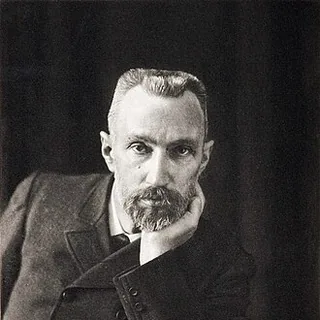 Pierre Curie — Physicist. His patient experimental work and scientific collaboration offer an illustration of sustained inquiry rather than the pursuit of visibility alone.
 Laura Dern — Actor and producer. Her collaborative career and advocacy offer a limited comparison with engagement, thoughtful participation and practical support.
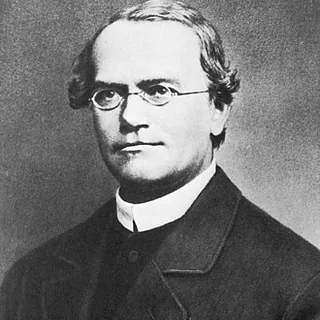 Gregor Mendel — Scientist and Augustinian friar. His methodical experiments illustrate a quiet contribution whose significance rests on careful observation and a coherent explanatory pattern.
 Demi Moore — Actor and producer. Her public work and charitable involvement offer an illustration of using an established platform to contribute to other people's welfare.
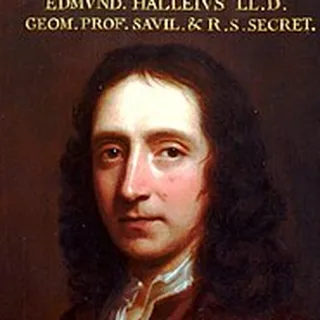 Edmond Halley — Astronomer. His observations and support for scientific publication illustrate knowledge developed and shared through practical collaboration.
 Gilberto Gil — Musician and cultural leader. His work offers a comparison with creative contribution and the effort to connect different people through a shared cultural space.
 Will Poulter — Actor. His public advocacy and collaborative work offer a limited illustration of attentiveness to others, distinct from the characters he performs.
Fictional Characters Associated with 259
 Emmett Brown — Back to the Future films. His inventive knowledge and commitment to Marty illustrate expertise used in the service of another person's immediate problem.
 Sans — Undertale (2015). His quiet observation and selective involvement illustrate a gap between an undemanding surface and a much more consequential awareness of events.
 Arnold Shortman — Hey Arnold! His patient attention to other people's difficulties illustrates a preference for understanding a situation and finding a workable, humane response.
 Nausicaä — Nausicaä of the Valley of the Wind (1984). Her curiosity about the natural world supports an active wish to protect people without treating understanding and compassion as opposites.
 Barry Allen / The Flash — DC Comics. His scientific knowledge and protective role illustrate practical problem-solving joined to concern for the people affected.
 Hiccup — How to Train Your Dragon films. His close observation of dragons creates a more cooperative alternative to the assumptions his community takes for granted.
 Ferb Fletcher — Phineas and Ferb. His quiet technical contribution illustrates capable support that does not require being the most verbally prominent person in a project.
 Remus Lupin — Harry Potter films. His patient teaching illustrates knowledge made reassuring and useful, while his own guardedness complicates how readily he accepts support.
 Jean Valjean — Les Misérables. His practical compassion illustrates the effort to make another person's life safer through sustained action rather than good intentions alone.
 The Oracle — The Matrix trilogy. Her guidance combines understanding with a light interpersonal touch, leaving others to work through the choices they must make themselves.
Sources and scope
The Enneagram Tritype framework is attributed to Katherine Chernick Fauvre. This independent educational guide is not affiliated with or endorsed by Fauvre. It describes a theoretical framework for reflection; it is not a validated assessment, diagnosis or population study.
_(2)_(cropped_2).jpg)
.jpg)
.jpg)

.jpg)

.jpg)

.jpg)
.jpg)


.png)


.gif)