Meaning and everyday life
Hedonism is the value concerned with pleasure, enjoyment and personal gratification. In Schwartz's Theory of Basic Human Values, it represents the importance individuals attach to experiences that are rewarding or satisfying in themselves. People who strongly prioritise Hedonism may seek opportunities for enjoyment through leisure, entertainment, food, comfort, relationships or other pleasurable activities. The defining motivation is the pursuit of personal satisfaction rather than achievement, social status or adherence to external obligations. Hedonism is a normal component of human motivation, although its name often carries more negative associations in everyday conversation.
The concept has a long history in philosophy, where thinkers have debated the nature of pleasure and its relationship to a good life. In psychological values research, however, Hedonism does not refer to a complete philosophical doctrine or require the belief that pleasure is the only worthwhile goal. It describes the relative importance attached to enjoyment compared with other motivations. Someone who values pleasure may still work diligently, fulfil responsibilities and make sacrifices for others. They may simply regard pleasurable experiences as an important part of a fulfilling life and resist the idea that enjoyment should always be postponed in pursuit of other objectives.
Hedonism can take numerous forms, ranging from sensory enjoyment and physical comfort to recreation, entertainment and satisfying personal experiences. One individual may enjoy fine food, travel and social occasions, while another derives pleasure from reading, music or spending time in familiar surroundings. The value does not prescribe a particular lifestyle, and it should not automatically be associated with extravagance, indulgence or reckless behaviour. People vary in what they find enjoyable, and the pursuit of pleasure can be expressed through relatively modest activities as readily as through conspicuous consumption.
Related values and distinctions
Within Schwartz's circular framework, Hedonism occupies an intermediate position between Stimulation and Achievement. It shares with Stimulation an interest in rewarding experiences, particularly those involving excitement or pleasurable sensations, while its relationship with Achievement reflects a broader concern with satisfying personal desires. Consequently, Hedonism is associated with both Openness to Change and Self-Enhancement. It can come into conflict with values such as Conformity and Tradition when social obligations require restraint, or with Security when immediate enjoyment threatens longer-term stability.
Higher and lower priorities
A strong emphasis on Hedonism may encourage people to make space for pleasure, leisure and satisfying experiences rather than treating enjoyment as an unimportant consideration. Difficulties can arise when the pursuit of immediate gratification repeatedly interferes with other significant goals, although this depends on the person's wider values and capacity for self-regulation. Conversely, someone who places relatively little importance on Hedonism may prefer duty, achievement, simplicity or self-discipline to pleasurable experiences. Such an individual is not necessarily unhappy, emotionally detached or incapable of enjoyment. Their priorities may simply be organised around goals they regard as more important than personal gratification.
The refined nineteen-value theory retains Hedonism as a single motivational category, reflecting its relatively clear emphasis on pleasure and enjoyment.
Illustrative figures
Higher Hedonism
Fictional:
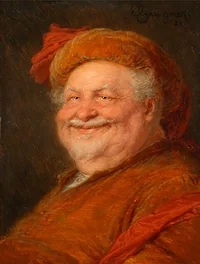 Sir John Falstaff (Henry IV) — spends much of his time at the Boar's Head Tavern enjoying wine, food and convivial company; a comic account of his spending reveals that drink far outweighs bread. His delight in immediate comforts and pleasure makes him one of Shakespeare's most exuberant Hedonism examples.
 Homer Simpson (The Simpsons) — is repeatedly drawn towards doughnuts, beer and leisure, often choosing immediate pleasures over work or household expectations. The show's running jokes make comfort, food and gratification central to his comic portrayal and a clear expression of Hedonism.
Nonfictional:
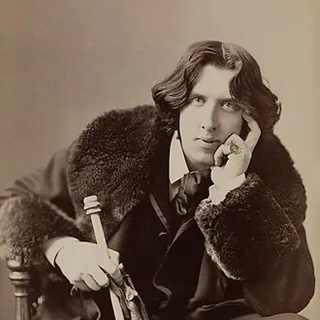 Oscar Wilde — championed artistic beauty, imagination and the pleasure of aesthetic experience in essays such as The Decay of Lying and The Critic as Artist. His writing pushes back against the idea that pleasure should serve utility or moral instruction, making aesthetic enjoyment a central theme.
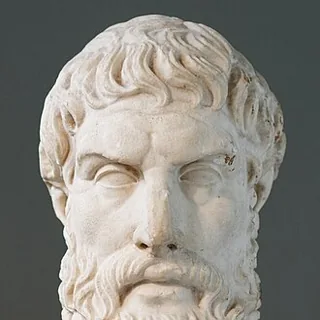 Epicurus — placed pleasure at the start and end of a good life, while distinguishing considered enjoyment from excess. He valued prudent choices, simple food and freedom from distress, showing that Hedonism can prioritise measured satisfaction rather than luxury or indulgence.
Lower Hedonism
Fictional:
 Spock (Star Trek) — combines Vulcan discipline and Starfleet duty, and in The Wrath of Khan accepts fatal radiation exposure while repairing the ship to save the crew. His portrayal often puts reason, responsibility and the needs of others ahead of personal comfort or pleasure.
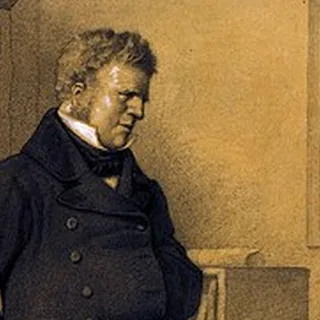 Jean Valjean (Les Misérables) — gives up security to protect others, revealing his identity to save Champmathieu from wrongful conviction and rescuing Marius during the uprising. His story places care and responsibility well ahead of comfort, illustrating a life organised around commitments beyond personal gratification.
Nonfictional:
 Simone Weil — limited her own food in solidarity with people living under occupation, according to biographical accounts, and this practice worsened her already fragile health. Her austerity reflects the priority she gave to moral commitment over comfort, though the damaging consequences should not be overlooked.


