Skip to content
Famous & Fictional Types · INTJ

Famous & Fictional INTJs

Explore real people and fictional characters whose independence, long-range thinking, private focus and systematic imagination can support an INTJ interpretation.

These are editorial interpretations. Real people did not complete a verified assessment for these pages; fictional characters may be interpreted differently across stories and adaptations. Quotations add context; they cannot establish a type.

INTJ The Architect

5 examples

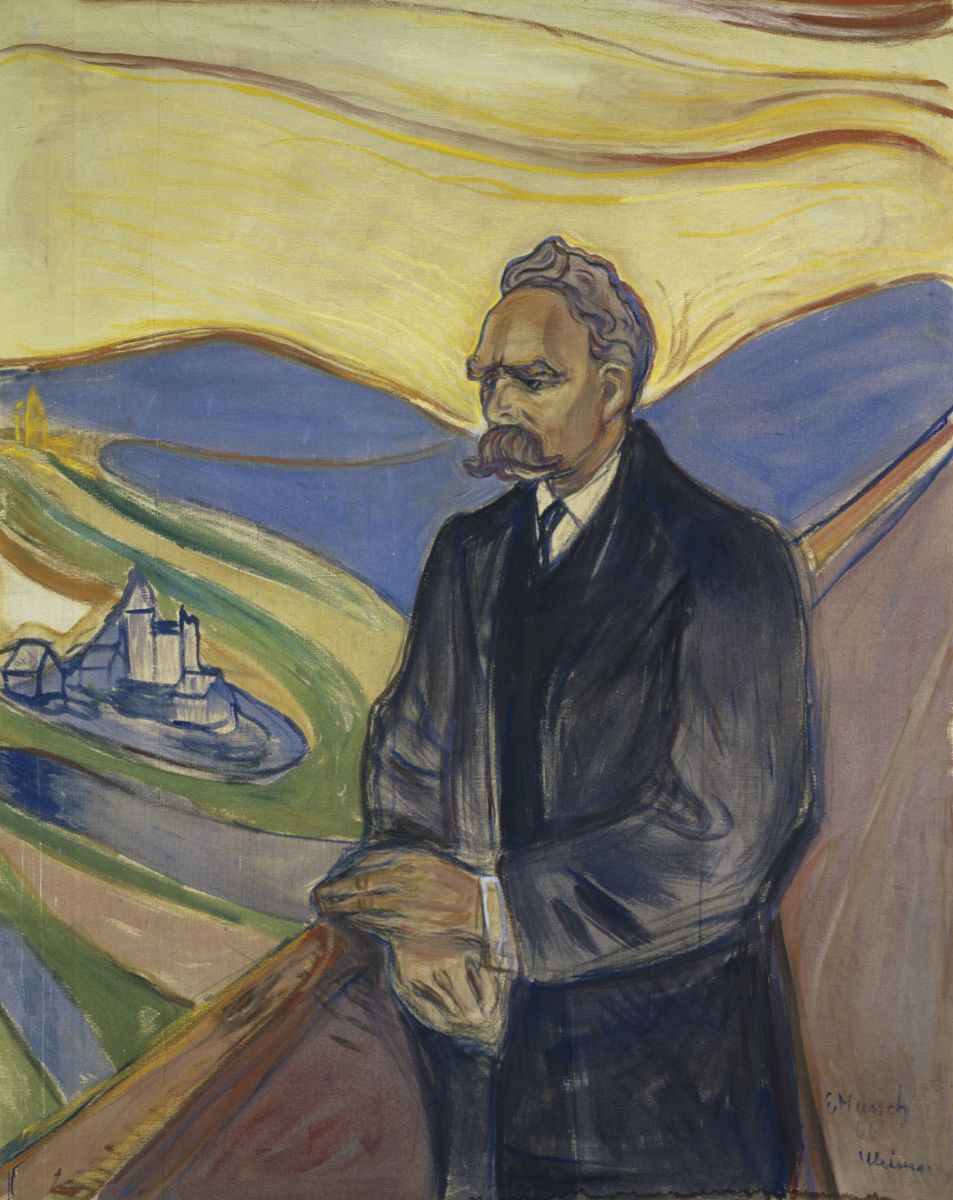
Painted portrait of Friedrich Nietzsche by Edvard Munch
INTJ · The Architect Real person

Friedrich Nietzsche

Philosopher and cultural critic · 1844–1900

Key patterns

  • Intellectual independence
  • Abstract system-building
  • Resistance to social consensus

Personality interpretation

Nietzsche’s fierce intellectual independence, private conceptual framework and sustained criticism of inherited values are compatible with an INTJ interpretation.

Nietzsche repeatedly challenged received moral and cultural assumptions through a distinctive conceptual system developed over many years. His writing places unusual weight on intellectual independence, self-overcoming and resistance to collective convention.

That combination is frequently interpreted as INTJ-like: an internally organised worldview, abstract synthesis and willingness to pursue conclusions outside social consensus. A literary record cannot confirm a modern personality classification.

“Style ought to prove that one believes in an idea; not only that one thinks it but also feels it.”

Friedrich Nietzsche · Salomé’s Nietzsche biography, Mandel translation (1988); via Wikiquote
Sources and image credits

Sources document the biography, work or character portrayal; the personality interpretation is TypologyOnline’s editorial reading.

Image: Edvard Munch, Public domain. Displayed as a cropped thumbnail.
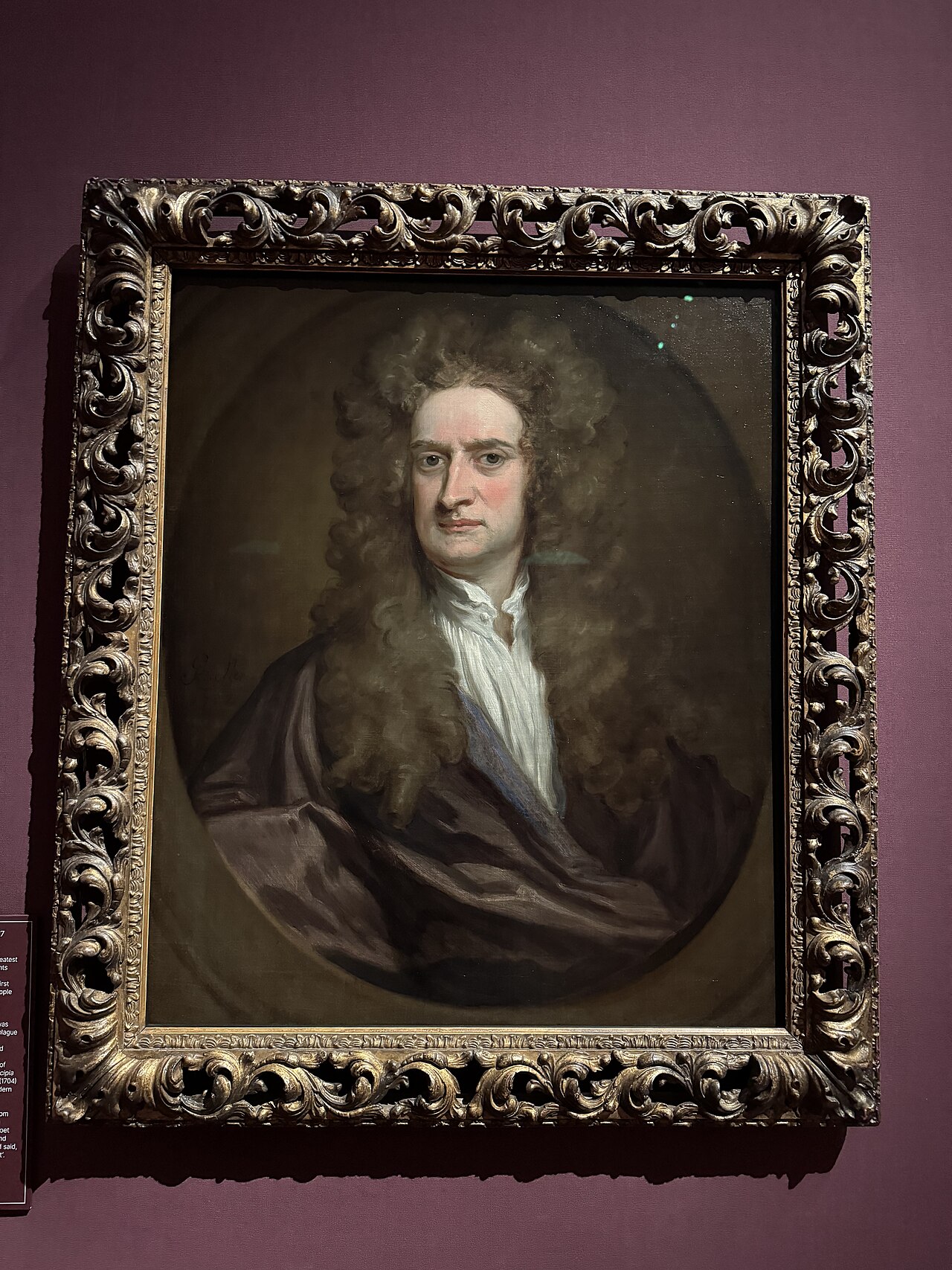
Portrait of Isaac Newton by Godfrey Kneller
INTJ · The Architect Real person

Isaac Newton

Mathematician and physicist · 1643–1727

Key patterns

  • Sustained solitary concentration
  • Search for underlying systems
  • Long-range intellectual persistence

Personality interpretation

Newton’s solitary concentration, systematic reasoning and decades-long pursuit of underlying natural laws are compatible with an INTJ interpretation.

Newton worked with unusual independence and persistence across mathematics, optics, mechanics and astronomy. His major achievements joined observations to a highly organised mathematical account of forces that could explain both terrestrial and celestial motion.

That private intensity, preference for underlying structure and drive toward a unified explanatory system can support an INTJ reading. His historical record is complex, however, and a modern type label can only offer one interpretive lens.

“’tis due to nothing but industry and a patient thought.”

Isaac Newton · Letter to Richard Bentley, 10 December 1692 (excerpt); via Wikiquote

“I keep the subject constantly before me”

Isaac Newton, as reported in Biographia Britannica (1760) · On making discoveries (excerpt), via Wikiquote
Sources and image credits

Sources document the biography, work or character portrayal; the personality interpretation is TypologyOnline’s editorial reading.

Image: Godfrey Kneller; photograph by Daniel Vodenitcharov, CC0 1.0. Displayed as a cropped thumbnail.

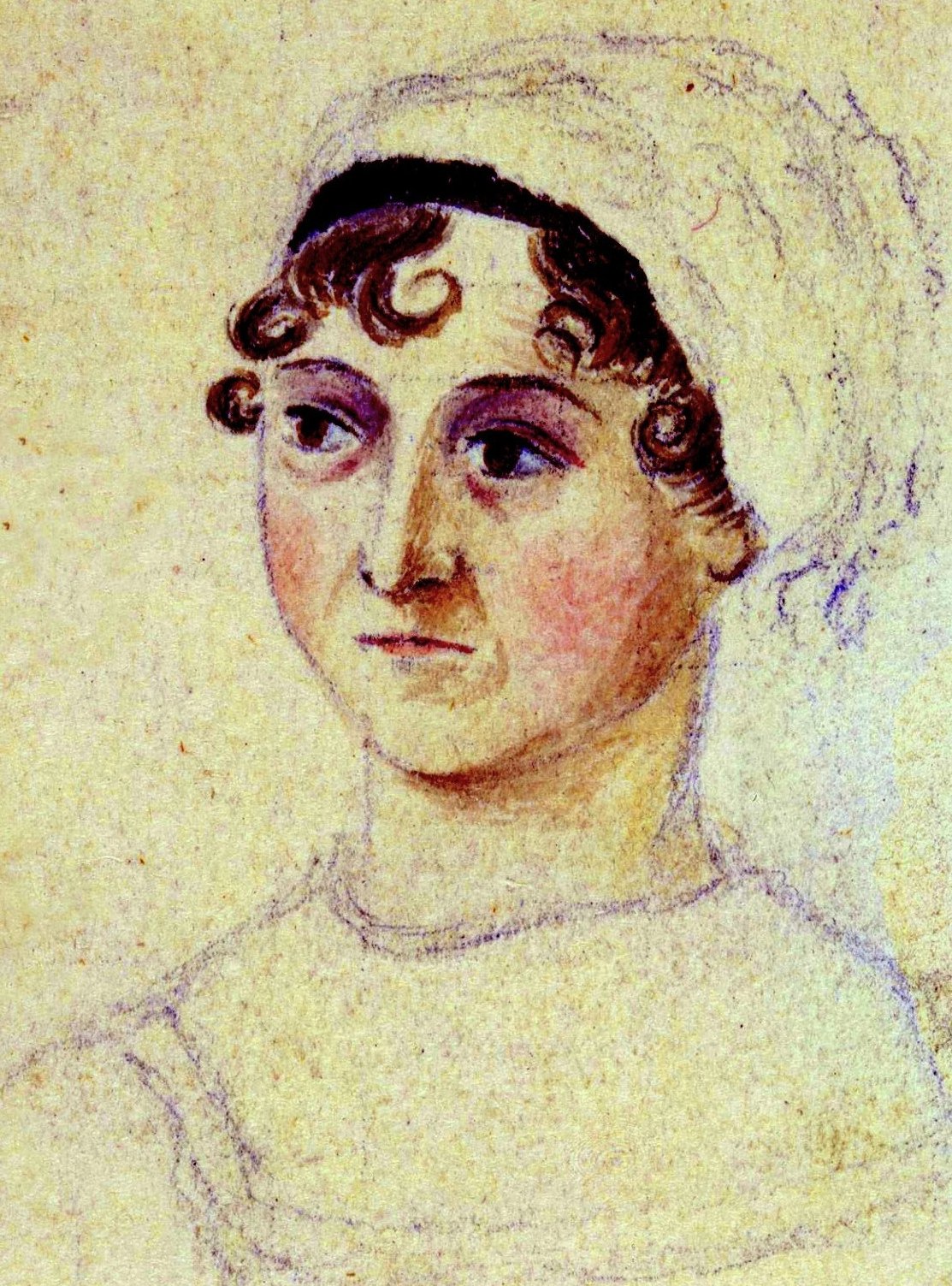
Portrait sketch of Jane Austen by Cassandra Austen
INTJ · The Architect Real person

Jane Austen

Novelist · 1775–1817

Key patterns

  • Controlled long-form structure
  • Independent social judgement
  • Precise observation of motives

Personality interpretation

Austen’s controlled craft, incisive social observation and quiet independence can support an INTJ interpretation of her public record.

Austen developed intricately structured novels through close observation of social incentives, status and self-deception. Her surviving letters and carefully revised fiction reveal an economical wit, independence of judgement and strong command of long narrative design.

Those qualities can be read as INTJ-like: private creative focus, strategic structure and analysis beneath restrained expression. The warmth and social precision of her work also leave room for other interpretations.

“I must keep to my own style and go on in my own way.”

Jane Austen · Letter to James Stanier Clarke, 1816
Sources and image credits

Sources document the biography, work or character portrayal; the personality interpretation is TypologyOnline’s editorial reading.

Image: Cassandra Austen, Public domain. Displayed as a cropped thumbnail.
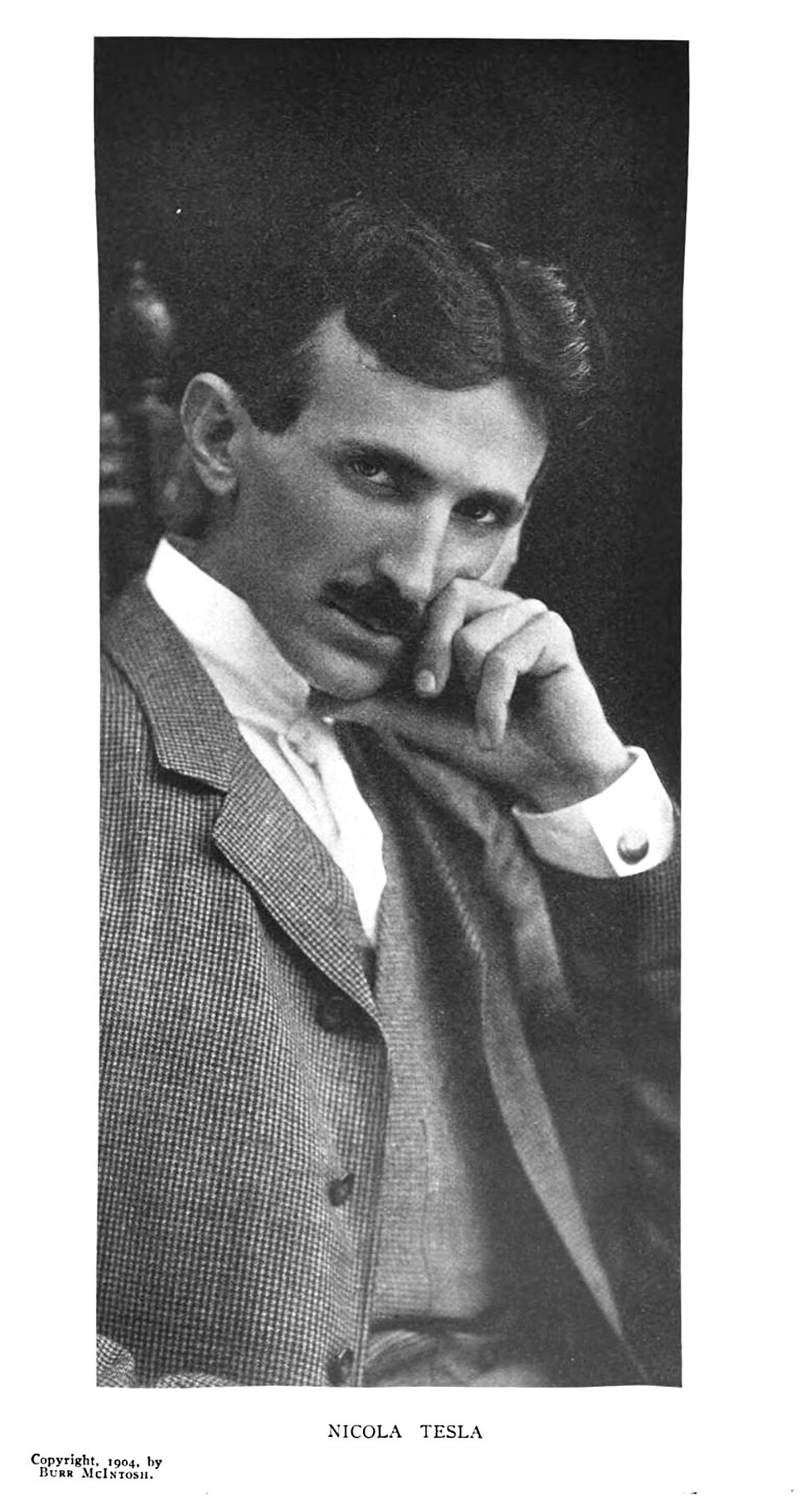
Black-and-white portrait of Nikola Tesla
INTJ · The Architect Real person

Nikola Tesla

Inventor and electrical engineer · 1856–1943

Key patterns

  • Private and highly independent
  • Future-oriented technical imagination
  • Systematic internal modelling

Personality interpretation

Tesla’s intensely private working style, long-range imagination and habit of mentally modelling inventions before building them are often read as an INTJ-like pattern.

Tesla devoted much of his life to internally developed systems and future-facing technical ideas. Accounts of his working process describe unusually vivid mental visualisation, prolonged solitary concentration and little interest in conventional commercial reward.

Those public patterns can support an INTJ interpretation: inward focus, abstract pattern-building and persistent pursuit of a private technical vision. They do not establish Tesla’s psychological type, and other readings remain possible.

“Money does not represent such a value as men have placed upon it.”

Nikola Tesla · Politika interview, April 1927 (excerpt); via Wikiquote

“the future, for which I really worked, is mine.”

Nikola Tesla · Politika interview, April 1927 (excerpt); via Wikiquote
Sources and image credits

Sources document the biography, work or character portrayal; the personality interpretation is TypologyOnline’s editorial reading.

Image: Burr McIntosh studio, Public domain. Displayed as a cropped thumbnail.
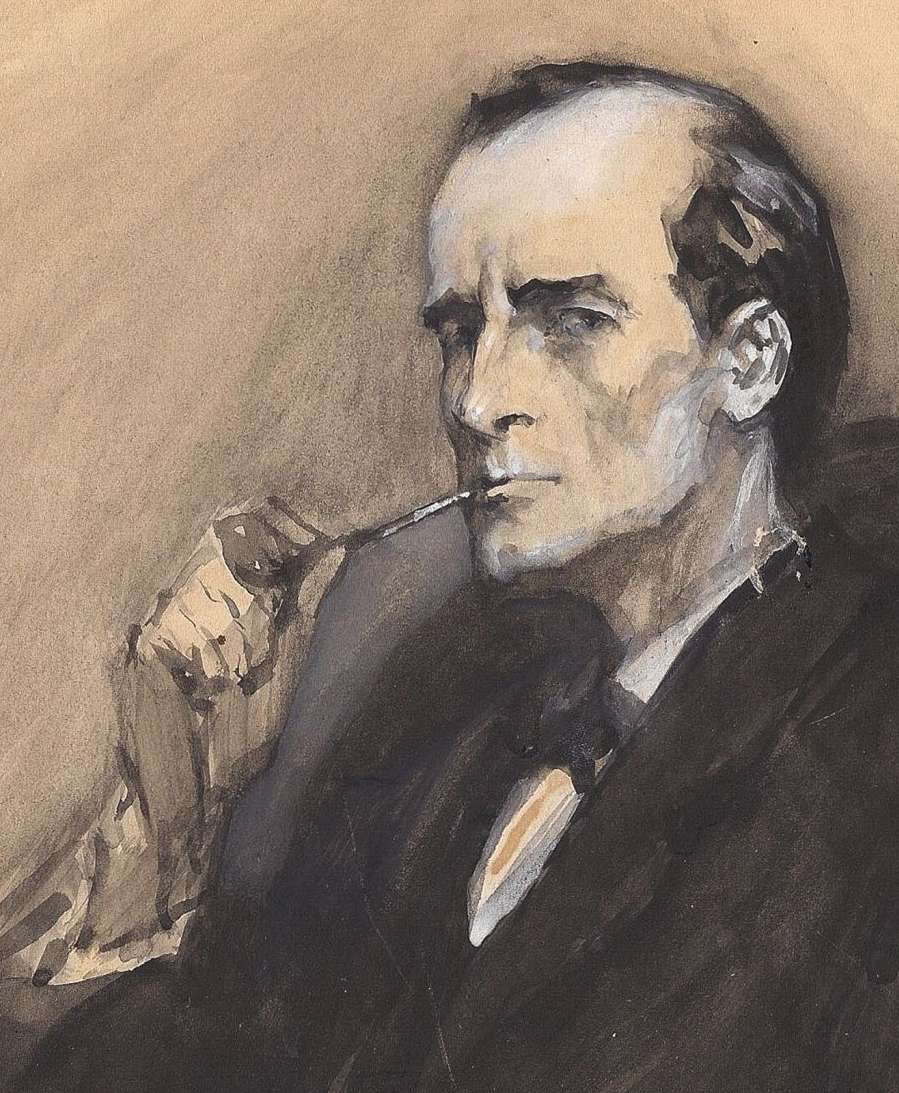
Sidney Paget illustration of Sherlock Holmes
INTJ · The Architect Fictional character

Sherlock Holmes

Consulting detective · The Sherlock Holmes stories

Key patterns

  • Independent problem-solving
  • Strategic pattern reconstruction
  • Confidence in a private method

Personality interpretation

Holmes’s private focus, strategic independence and determination to reduce complex mysteries to coherent systems support an INTJ interpretation.

Across Arthur Conan Doyle’s stories, Holmes approaches each case as a problem whose hidden structure can be reconstructed from disciplined observation. He works independently, protects his concentration and often values an elegant explanatory pattern over ordinary social convention.

That combination can support an INTJ reading: inwardly directed analysis, strategic patience and confidence in a personally developed method. His theatrical experimentation and rapid improvisation also leave room for other interpretations.

“When you have eliminated the impossible, whatever remains, however improbable, must be the truth.”

Sherlock Holmes · The Sign of the Four, 1890
Sources and image credits

Sources document the biography, work or character portrayal; the personality interpretation is TypologyOnline’s editorial reading.

Image: Sidney Paget, Public domain. Displayed as a cropped thumbnail.