Skip to content
Famous & Fictional Types · ESFP

Famous & Fictional ESFPs

Explore real people and fictional characters whose spontaneity, social awareness, emotional immediacy and practical expressiveness can support an ESFP interpretation.

These are editorial interpretations. Real people did not complete a verified assessment for these pages; fictional characters may be interpreted differently across stories and adaptations. Quotations add context; they cannot establish a type.

ESFP The Entertainer

4 examples

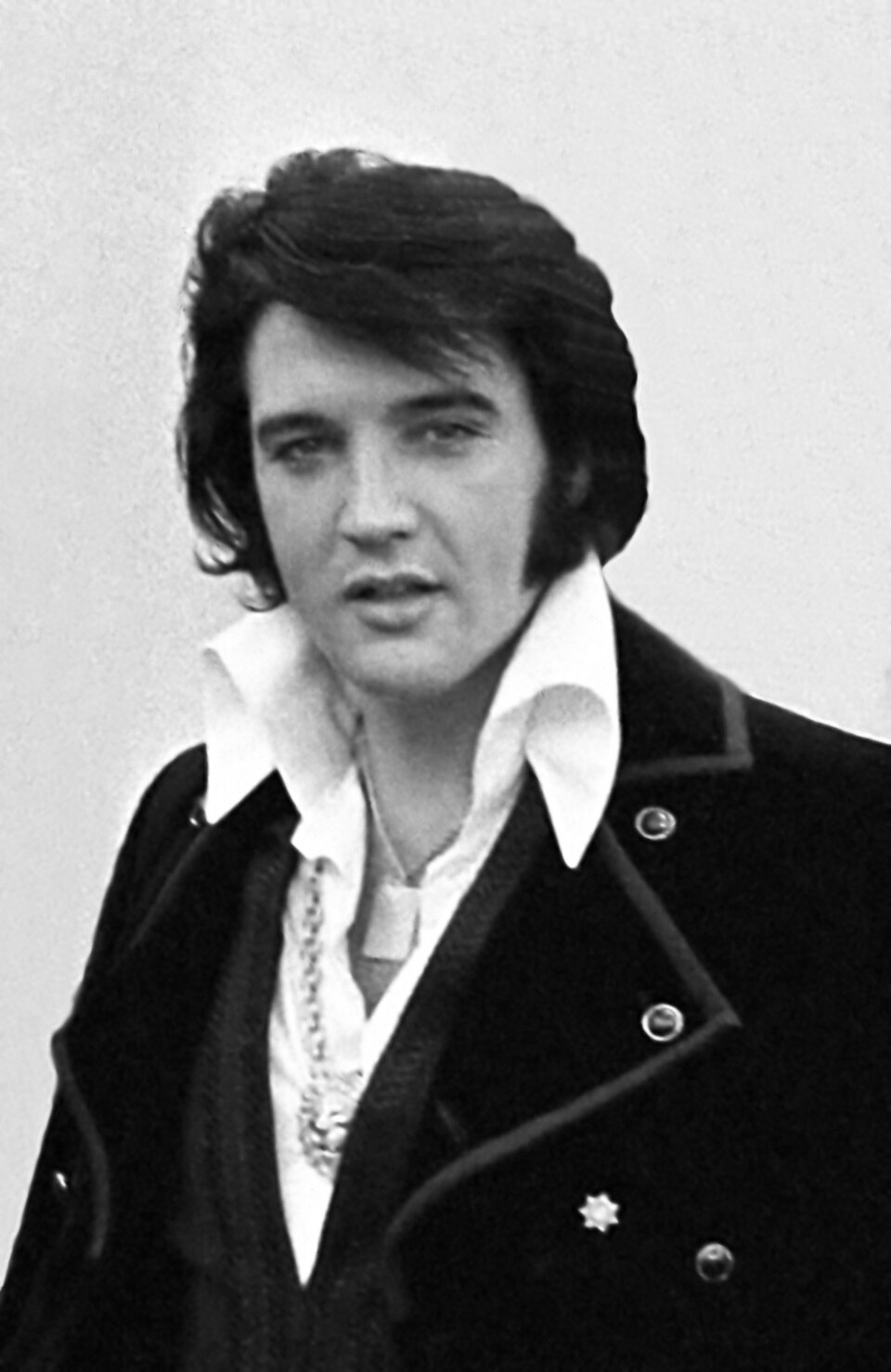
Black-and-white portrait of Elvis Presley in 1970
ESFP · The Entertainer Real person

Elvis Presley

Singer and actor · 1935–1977

Key patterns

  • Highly physical performance
  • Immediate audience responsiveness
  • Spontaneous generosity

Personality interpretation

Presley’s physical performance style, responsiveness to live audiences and generous spontaneity are compatible with an ESFP interpretation.

Presley’s breakthrough depended on an unusually physical, immediate relationship with rhythm and live audiences. Accounts of his life also emphasise spontaneous generosity, strong attachments and a preference for direct experience over abstract public explanation.

Those public features make ESFP a plausible editorial interpretation: sensory performance, emotional immediacy and audience awareness. Fame, management and a carefully constructed image complicate any attempt to infer his private personality.

“I'm never going to sing another song I don't believe in.”

Elvis Presley · Remark to producer Steve Binder, 1968; via Wikiquote

“It just happened. I like to sing”

Elvis Presley · C. Robert Jennings interview, LA Times Magazine, 18 February 1968 (excerpt); via Wikiquote
Sources and image credits

Sources document the biography, work or character portrayal; the personality interpretation is TypologyOnline’s editorial reading.

Image: Ollie Atkins, White House photographer, Public domain. Displayed as a cropped thumbnail.
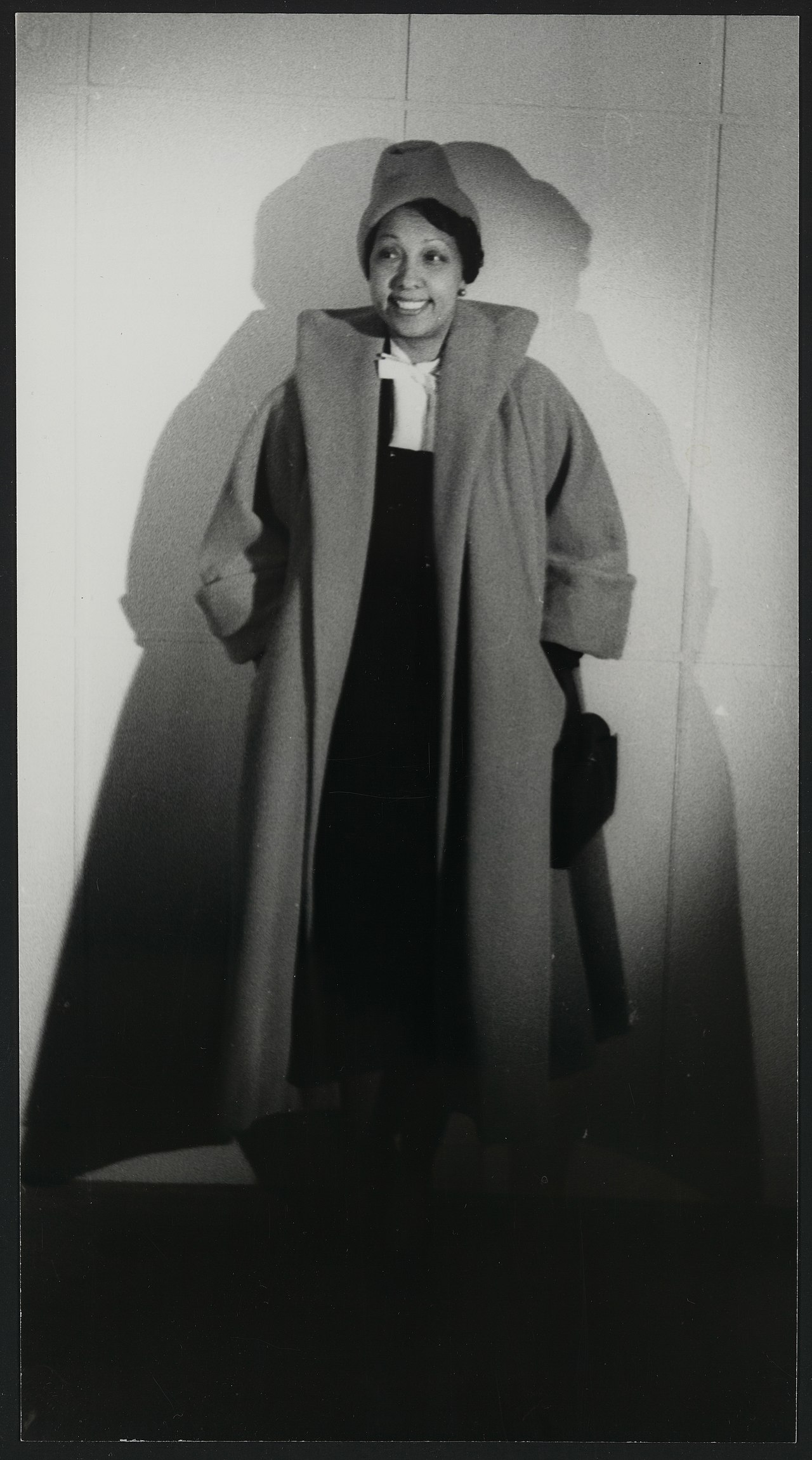
Full-length studio portrait of Josephine Baker in 1949
ESFP · The Entertainer Real person

Josephine Baker

Performer and civil rights activist · 1906–1975

Key patterns

  • Bold physical expression
  • Direct audience engagement
  • Practical social courage

Personality interpretation

Baker’s bold physical performance, social courage and ability to connect directly with large audiences are compatible with an ESFP interpretation.

Baker became an international performer through kinetic stagecraft, comic timing and an unmistakable visual presence. Beyond entertainment, she supported the French Resistance and used her fame to advocate publicly against racial segregation.

That practical courage, expressive immediacy and direct engagement with audiences can support an ESFP reading. Her strategic activism and resilience also show a breadth that extends far beyond a stage-centred personality description.

“I have walked into the palaces of kings and queens and into the houses of presidents. And much more.”

Josephine Baker · March on Washington speech, 1963
Sources and image credits

Sources document the biography, work or character portrayal; the personality interpretation is TypologyOnline’s editorial reading.

Image: Carl Van Vechten, Library of Congress, Public domain. Displayed as a cropped thumbnail.
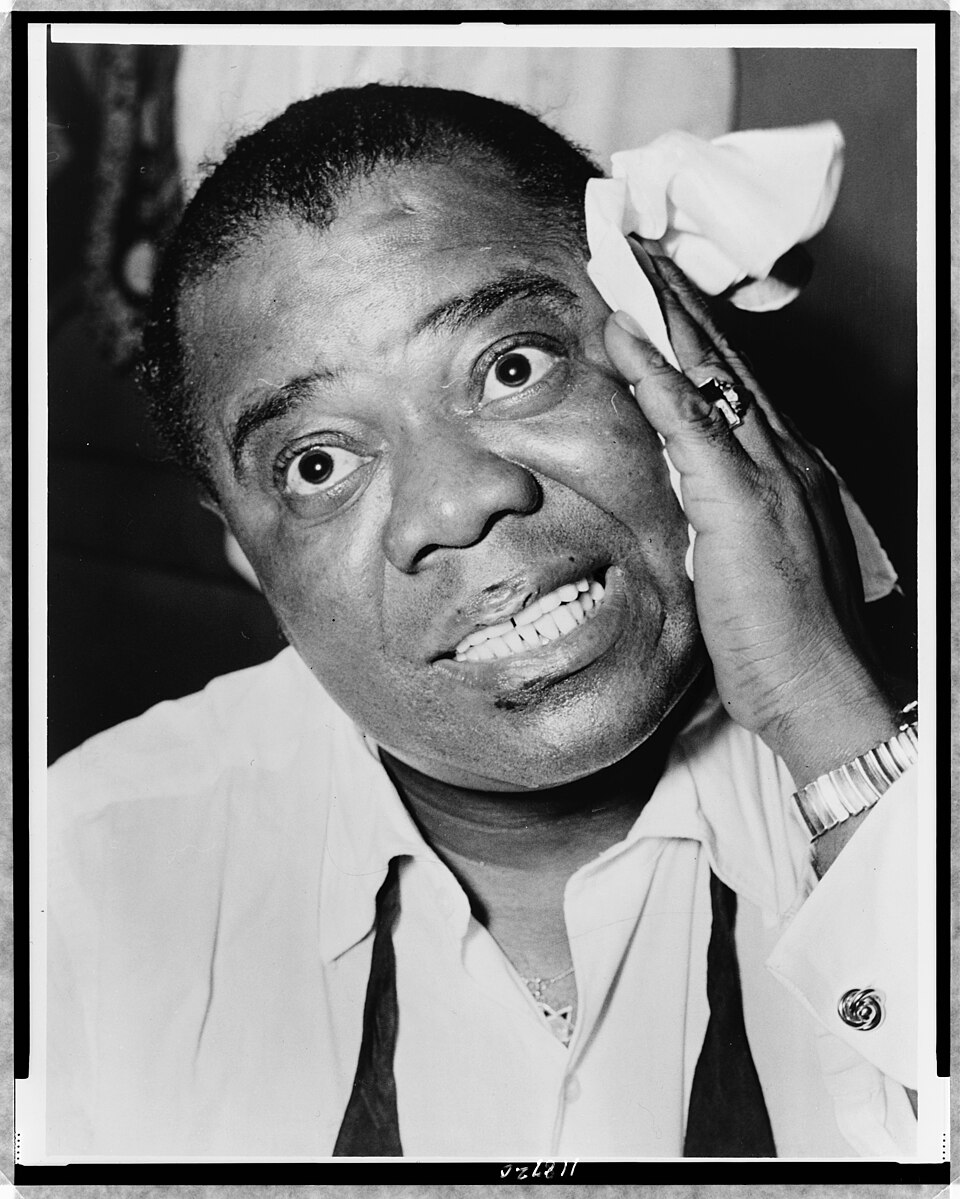
Black-and-white portrait of Louis Armstrong in 1953
ESFP · The Entertainer Real person

Louis Armstrong

Jazz musician and singer · 1901–1971

Key patterns

  • Moment-to-moment improvisation
  • Warm audience connection
  • Highly developed sensory craft

Personality interpretation

Armstrong’s immediate musical responsiveness, charismatic warmth and mastery of live improvisation support an ESFP interpretation.

Armstrong transformed jazz through improvisation that was technically disciplined yet vividly responsive in the moment. His stage presence, distinctive singing and direct rapport with audiences made musical communication feel immediate and personal.

That combination of sensory command, spontaneous adaptation and generous audience connection can support an ESFP reading. His private discipline and endurance were equally important to the public ease of his performances.

“I was so happy to have some place to blow my horn.”

Louis Armstrong · Satchmo: My Life in New Orleans (1954), excerpt; via Wikiquote

“Making money ain't nothing exciting to me.”

Louis Armstrong · Ebony, November 1964 (excerpt); via Wikiquote
Sources and image credits

Sources document the biography, work or character portrayal; the personality interpretation is TypologyOnline’s editorial reading.

Image: Herman Hiller, Library of Congress, Public domain. Displayed as a cropped thumbnail.

Studio portrait of a young Marilyn Monroe
ESFP · The Entertainer Real person

Marilyn Monroe

Actor and cultural figure · 1926–1962

Key patterns

  • Immediate expressive presence
  • Sensitivity to audience response
  • Spontaneous interpersonal warmth

Personality interpretation

Monroe’s vivid screen presence, emotional immediacy and sensitivity to interpersonal response are often associated with an ESFP interpretation.

Monroe cultivated a highly responsive and immediate performing style while working hard to expand her craft beyond the public image created around her. Contemporary accounts describe warmth and spontaneity alongside privacy, anxiety and serious professional ambition.

Her public expressiveness can support an ESFP reading, but the distance between Norma Jeane Mortenson and the constructed “Marilyn Monroe” persona makes any confident typing inappropriate. Alternative interpretations deserve equal consideration.

“I want to be an artist, an actress with integrity”

Marilyn Monroe · Richard Meryman interview, LIFE, 3 August 1962 (excerpt); via Wikiquote

“I restore myself when I'm alone.”

Marilyn Monroe, as quoted in Ms. magazine · Ms., August 1972, p. 40 (excerpt); via Wikiquote
Sources and image credits

Sources document the biography, work or character portrayal; the personality interpretation is TypologyOnline’s editorial reading.

Image: Tichnor Bros., Public domain. Displayed as a cropped thumbnail.