Skip to content
Famous & Fictional Types · ENFP

Famous & Fictional ENFPs

Explore real people and fictional characters whose creativity, curiosity, expressiveness and values-led independence can support an ENFP interpretation.

These are editorial interpretations. Real people did not complete a verified assessment for these pages; fictional characters may be interpreted differently across stories and adaptations. Quotations add context; they cannot establish a type.

ENFP The Campaigner

4 examples

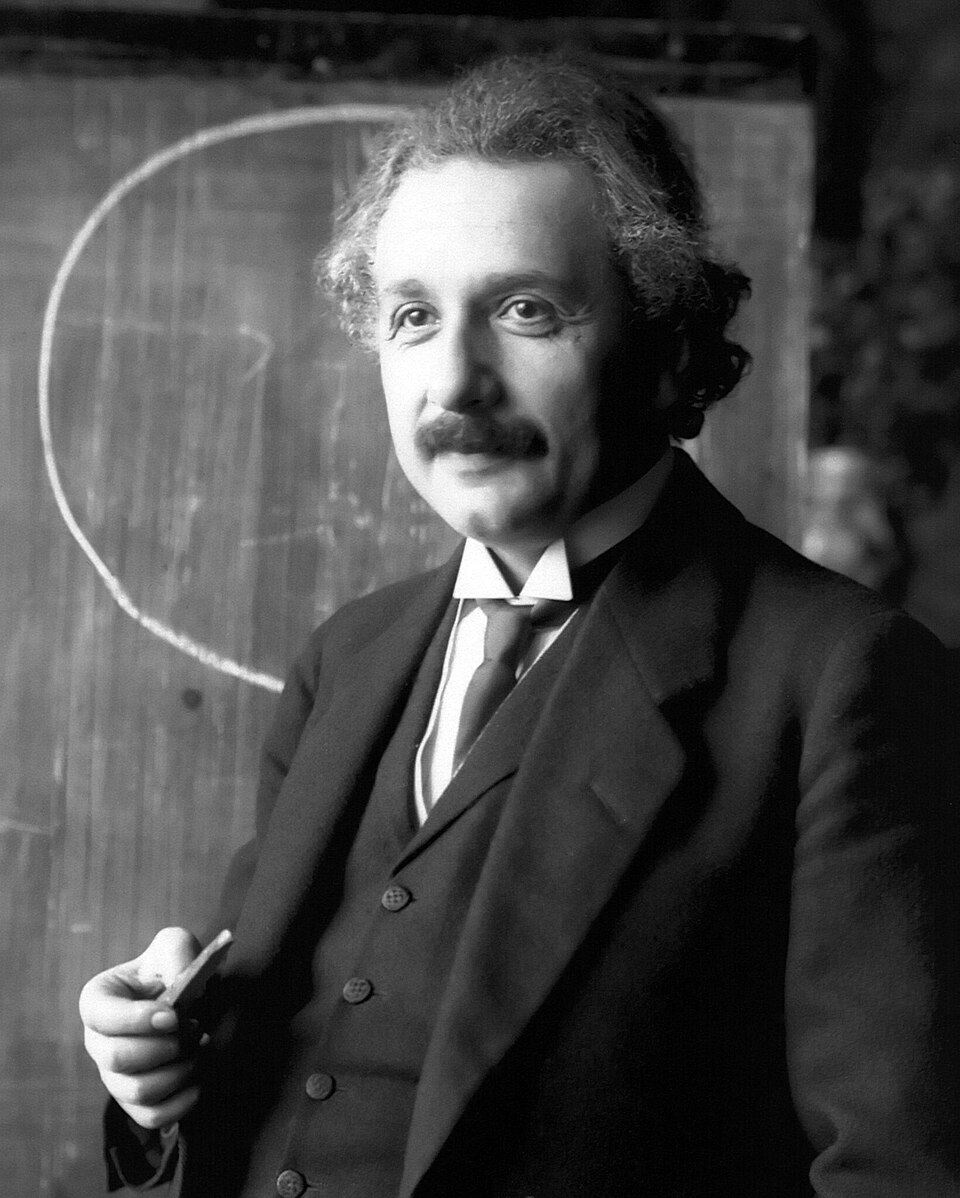
Portrait of Albert Einstein in 1921
ENFP · The Campaigner Real person

Albert Einstein

Theoretical physicist · 1879–1955

Key patterns

  • Possibility-led thought experiments
  • Broad intellectual curiosity
  • Public values-based engagement

Personality interpretation

Einstein’s imaginative thought experiments, broad curiosity and public moral engagement can support an ENFP reading, although INTP is a prominent alternative.

Einstein described imagination and curiosity as central to scientific discovery. His thought experiments began from intuitive questions about light, motion and observation, while his public life included outspoken engagement with peace, civil rights and international cooperation.

That combination can be read as ENFP-like, particularly the emphasis on possibility and values. His sustained analytical work also supports alternative interpretations, especially INTP, so this profile presents ENFP as one plausible reading rather than a settled classification.

“Imagination is more important than knowledge.”

Albert Einstein · The Saturday Evening Post interview, 1929
Sources and image credits

Sources document the biography, work or character portrayal; the personality interpretation is TypologyOnline’s editorial reading.

Image: Ferdinand Schmutzer, Public domain. Displayed as a cropped thumbnail.
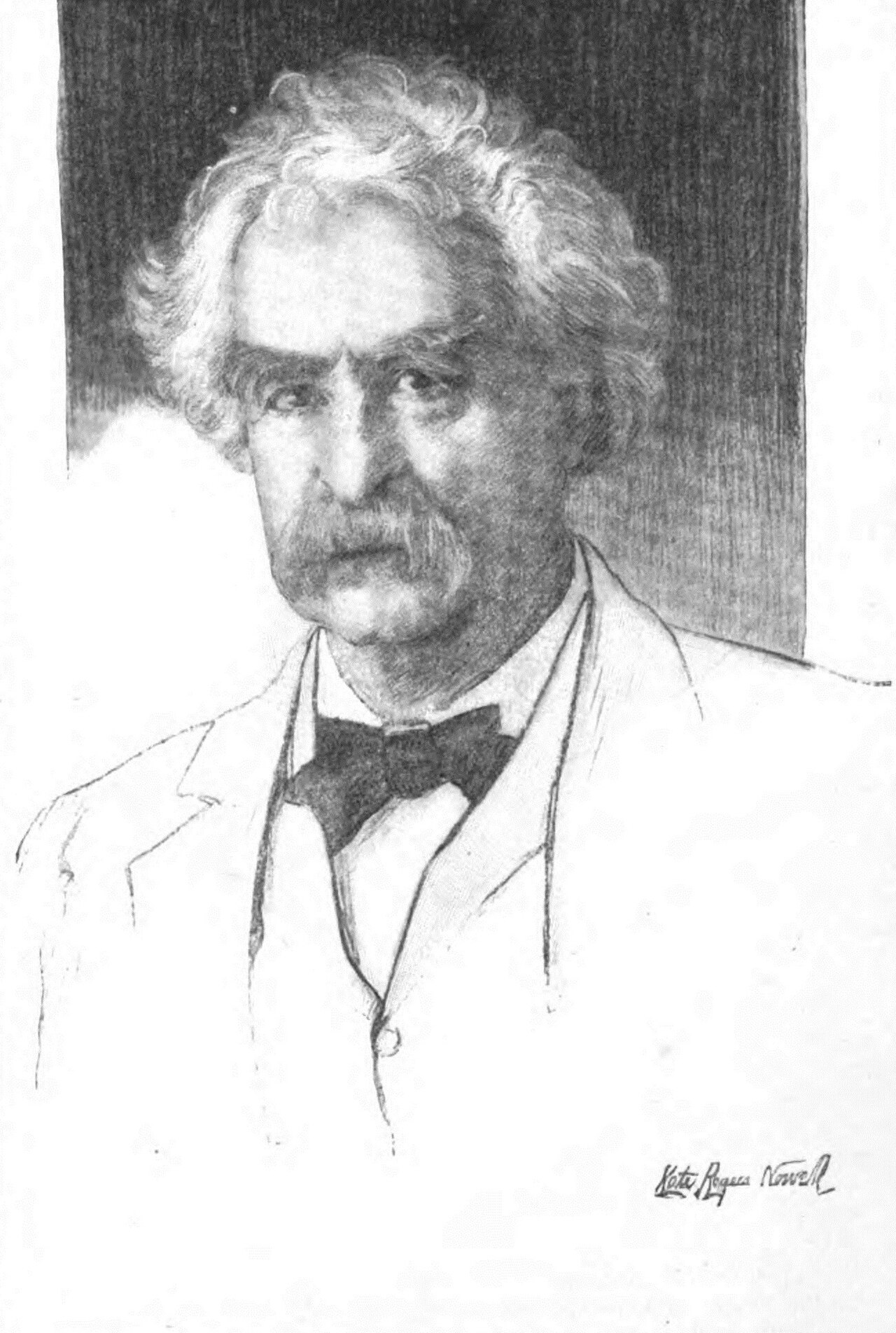
Black-and-white portrait of Mark Twain
ENFP · The Campaigner Real person

Mark Twain

Writer and lecturer · 1835–1910

Key patterns

  • Expansive curiosity
  • Improvisational verbal energy
  • Values-led social criticism

Personality interpretation

Twain’s restless curiosity, improvisational humour and energetic challenges to convention fit a plausible ENFP interpretation.

Twain moved through printing, river work, journalism, travel, public lecturing and fiction, repeatedly turning new experiences into comic social criticism. His voice combined spontaneity with a strong moral response to hypocrisy and injustice.

That exploratory range, verbal improvisation and values-led resistance to convention can support an ENFP reading. His carefully engineered prose also shows discipline that cannot be reduced to a single type pattern.

“Travel is fatal to prejudice, bigotry, and narrow-mindedness.”

Mark Twain · The Innocents Abroad, 1869
Sources and image credits

Sources document the biography, work or character portrayal; the personality interpretation is TypologyOnline’s editorial reading.

Image: Kate Rogers Nowell, Public domain. Displayed as a cropped thumbnail.
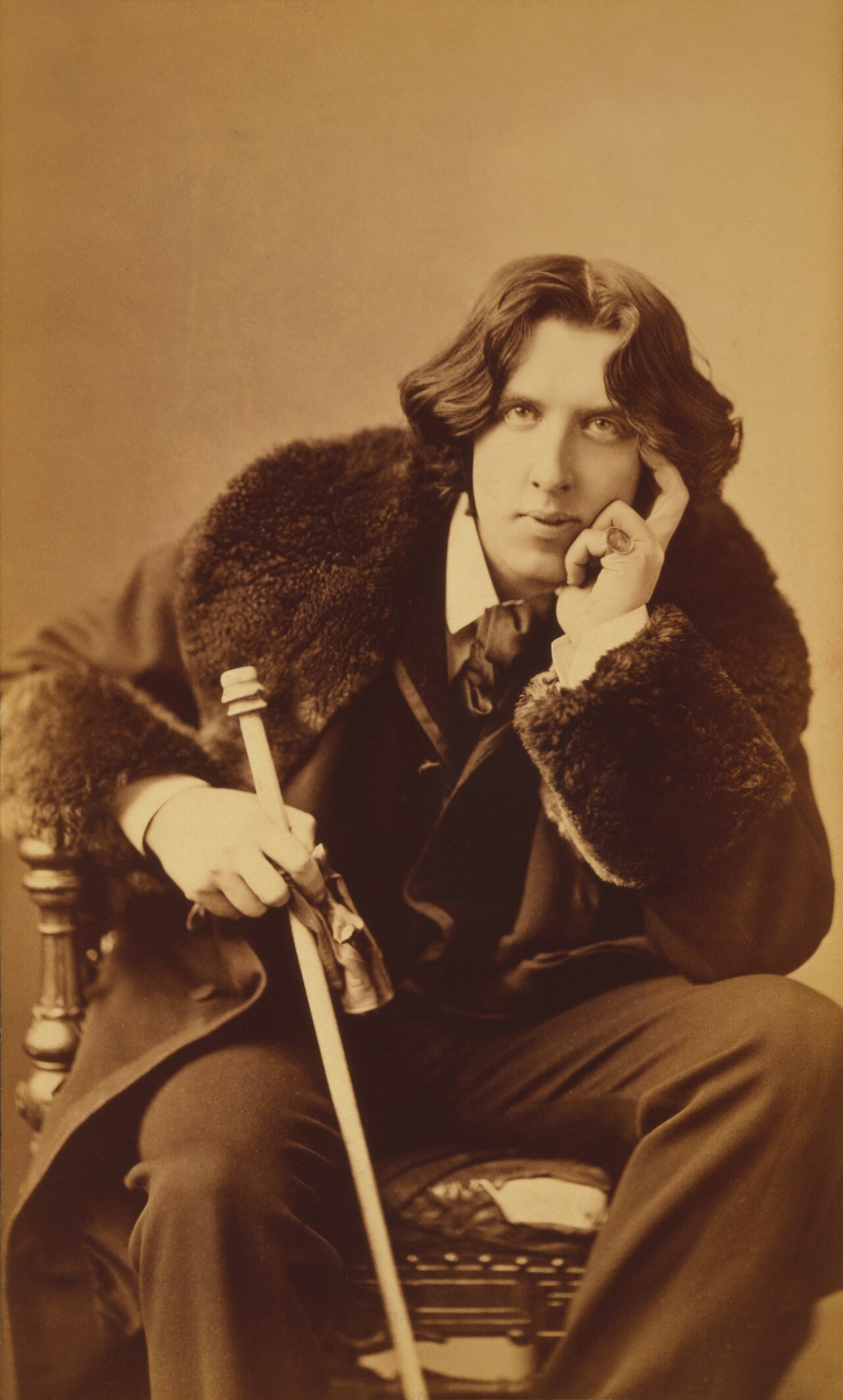
Studio portrait of Oscar Wilde by Napoleon Sarony
ENFP · The Campaigner Real person

Oscar Wilde

Writer and dramatist · 1854–1900

Key patterns

  • Inventive verbal association
  • Expressive individuality
  • Resistance to restrictive convention

Personality interpretation

Wilde’s imaginative self-expression, conversational brilliance and defiance of social convention are compatible with an ENFP interpretation.

Wilde built a public and literary career around wit, aesthetic experimentation and the exposure of social contradiction. His plays move rapidly between ideas while preserving sympathy for people constrained by reputation and convention.

That expressive invention, associative verbal energy and individualistic challenge to convention can support an ENFP reading. His cultivated public persona was also a deliberate artistic construction rather than a transparent record of private temperament.

“We are all in the gutter, but some of us are looking at the stars.”

Lord Darlington, in Oscar Wilde’s play · Lady Windermere’s Fan, 1892
Sources and image credits

Sources document the biography, work or character portrayal; the personality interpretation is TypologyOnline’s editorial reading.

Image: Napoleon Sarony, Public domain. Displayed as a cropped thumbnail.
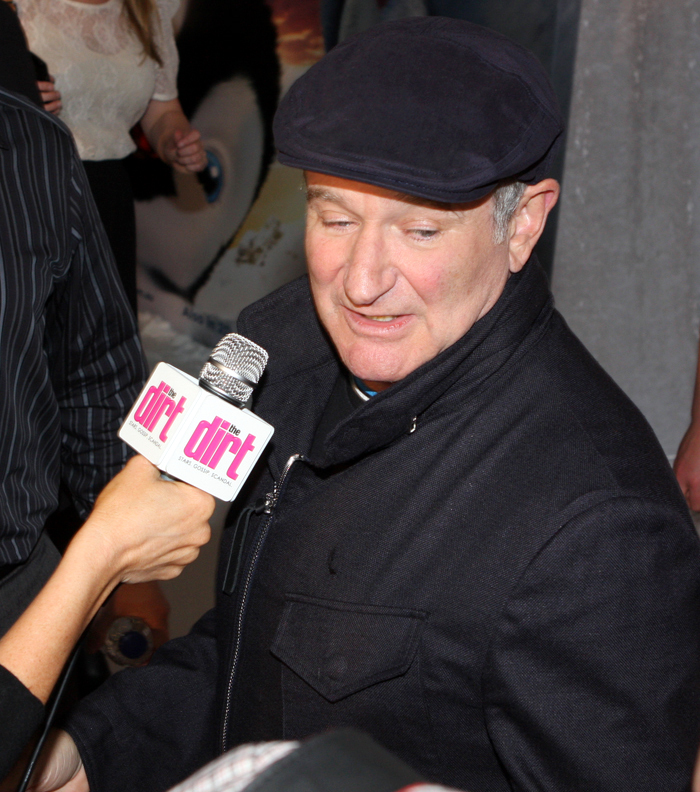
Robin Williams at a film premiere in 2011
ENFP · The Campaigner Real person

Robin Williams

Actor and comedian · 1951–2014

Key patterns

  • Rapid associative improvisation
  • Expressive warmth
  • Idea-rich creative range

Personality interpretation

Williams’s rapid improvisation, associative creativity and publicly expressed warmth are commonly interpreted as an ENFP-like combination.

Williams was known for extraordinarily fast improvisation, moving between characters and ideas while maintaining a strong connection with an audience. Interviews also show reflection, empathy and sustained interest in other people’s experiences.

Those visible qualities fit a plausible ENFP reading: expansive association, emotional responsiveness and improvisational energy. A stage persona is only part of a person, so this remains an editorial interpretation rather than a verified assessment.

“You're only given a little spark of madness”

Robin Williams · A Night at the Roxy (1978), excerpt; via Wikiquote

“Comedy can be a cathartic way to deal with personal trauma.”

Robin Williams · Parade interview, 12 September 2013; via Wikiquote
Sources and image credits

Sources document the biography, work or character portrayal; the personality interpretation is TypologyOnline’s editorial reading.

Image: Eva Rinaldi, CC BY-SA 2.0. Displayed as a cropped thumbnail.