Skip to content
Famous & Fictional Types · ISTP

Famous & Fictional ISTPs

Explore public figures and fictional characters through ISTP-like independence, hands-on understanding and adaptable skill in the immediate situation.

These are editorial interpretations. Real people did not complete a verified assessment for these pages; fictional characters may be interpreted differently across stories and adaptations. Quotations add context; they cannot establish a type.

ISTP The Virtuoso

5 examples

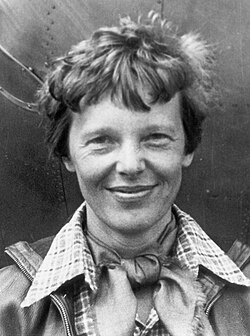
Portrait of Amelia Earhart
ISTP · The Virtuoso Real person

Amelia Earhart

Aviator and aviation advocate

Key patterns

  • Skill developed through direct flight experience
  • Independent action in a demanding environment
  • Practical achievement connected with wider opportunity

Personality interpretation

Earhart’s hands-on pursuit of flight offers an ISTP-like example of independence and applied skill.

Earhart trained as a pilot and pursued demanding flights, including a solo Atlantic crossing. Her aviation career joined direct technical experience with efforts to expand the opportunities available to women in flying.

An ISTP interpretation highlights learning through practice and acting independently in a demanding physical environment. Risk-taking and pioneering achievement do not establish a type, and her public advocacy can support more outwardly oriented readings.

“Anticipation, I suppose, sometimes exceeds realization.”

Amelia Earhart · Last Flight (1937), p. 50; via Wikiquote

“Preparation, I have often said, is rightly two-thirds of any venture.”

Amelia Earhart · Last Flight (1937), p. 51; via Wikiquote
Sources and image credits

Sources document the biography, work or character portrayal; the personality interpretation is TypologyOnline’s editorial reading.

Image: Underwood & Underwood (active 1880 – c. 1950) [1], Public domain. Displayed as a cropped thumbnail.
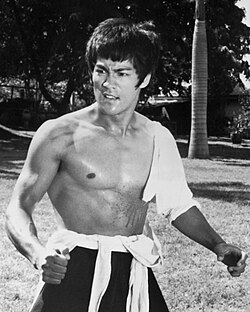
Bruce Lee as Chen Zhen in a film publicity photograph
ISTP · The Virtuoso Real person

Bruce Lee

Martial artist, actor and teacher

Key patterns

  • Techniques examined for practical usefulness
  • Independence from rigid stylistic conventions
  • Physical skill connected with reflective analysis

Personality interpretation

Lee’s practical examination of martial arts and emphasis on adaptable skill illustrate an ISTP-like approach.

Lee developed Jeet Kune Do around an effort to move beyond rigid adherence to a single martial tradition. His work joined physical practice with reflection on simplicity, directness and the usefulness of a technique in an actual situation.

An ISTP reading emphasises hands-on analysis and independent adaptation rather than merely athletic ability. His philosophical and creative interests support other readings too; a fighting style is not a personality test.

“Use only that which works, and take it from any place you can find it.”

Bruce Lee · Bruce Lee: Fighting Spirit (1994), via Wikiquote

“Running water never grows stale.”

Bruce Lee · The Warrior Within (1996), excerpt; via Wikiquote
Sources and image credits

Sources document the biography, work or character portrayal; the personality interpretation is TypologyOnline’s editorial reading.

Image: National General Pictures, Public domain. Displayed as a cropped thumbnail.
ISTP · The Virtuoso Fictional character

Indiana Jones

Archaeologist and adventurer · Indiana Jones: Raiders of the Lost Ark

Key patterns

  • Knowledge applied to immediate obstacles
  • Improvisation when plans break down
  • Independent use of practical skills

Personality interpretation

Indiana’s improvised responses and practical use of knowledge support an ISTP reading of the film character.

In Raiders of the Lost Ark, Indiana combines an academic background with fieldwork in situations where a plan rarely survives unchanged. He responds to immediate obstacles using observation, physical skill and whatever resources are available.

An ISTP interpretation emphasises independent problem-solving in the moment. An ESTP reading can emphasise his outward adventurousness; cinematic action exaggerates behaviour and leaves many ordinary-life preferences unseen.

“I don’t know. I’m making this up as I go.”

Indiana Jones — character dialogue · Raiders of the Lost Ark (1981), via Wikiquote

“It’s not the years, honey. It’s the mileage.”

Indiana Jones — character dialogue · Raiders of the Lost Ark (1981), via Wikiquote
Sources

Sources document the biography, work or character portrayal; the personality interpretation is TypologyOnline’s editorial reading.

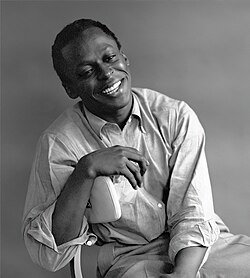
Portrait of Miles Davis
ISTP · The Virtuoso Real person

Miles Davis

Jazz trumpeter and bandleader

Key patterns

  • A distinctive voice developed through playing
  • Technical choices tested in performance
  • Independence from one fixed musical style

Personality interpretation

Davis’s technically grounded, independent musical choices offer an ISTP-style interpretation of his working approach.

Davis developed a distinctive trumpet voice through practice, listening and experimentation with sound. His career repeatedly moved into new musical settings, with decisions made through the possibilities of playing and collaboration rather than allegiance to one fixed style.

An ISTP reading foregrounds economical craft and responsive experimentation. An ISFP interpretation can emphasise personal expression instead; musical innovation is compatible with both and cannot resolve the distinction by itself.

“I’ll play it and tell you what it is later.”

Miles Davis, as reported by John Szwed · So What: The Life of Miles Davis (2012), via Wikiquote

“If the mistakes aren’t there too, it ain’t none of you.”

Miles Davis · Oakland Tribune, 9 December 1961 (excerpt); via Wikiquote
Sources and image credits

Sources document the biography, work or character portrayal; the personality interpretation is TypologyOnline’s editorial reading.

Image: Tom Palumbo from New York City, USA, CC BY-SA 2.0. Displayed as a cropped thumbnail.

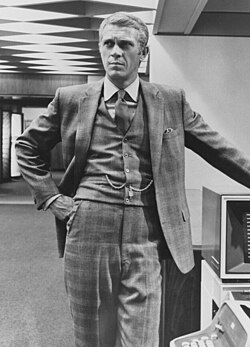
Steve McQueen in a publicity photograph for The Thomas Crown Affair
ISTP · The Virtuoso Real person

Steve McQueen

Actor and motorsport enthusiast

Key patterns

  • A practical pursuit beyond acting
  • Attention to the physical reality of racing
  • Craft connected with direct experience

Personality interpretation

McQueen’s involvement in racing and attention to its physical reality offer an ISTP-like interpretation of his public interests.

McQueen’s motorsport involvement extended beyond playing a racing driver on screen. Porsche’s account of Le Mans describes a film project shaped by an interest in capturing racing convincingly, linking a professional role with an absorbing hands-on pursuit.

An ISTP reading foregrounds practical immersion and independence. A hobby cannot identify a personality type, and a restrained screen image should not be confused with a complete account of the actor himself.

“I love bikes for the fun they give me, not the money they might have given me.”

Steve McQueen · Sports Illustrated interview (1971), reprinted by The Selvedge Yard (excerpt)

“Sport is not like art.”

Steve McQueen · Sports Illustrated interview (1971), reprinted by The Selvedge Yard (excerpt)
Sources and image credits

Sources document the biography, work or character portrayal; the personality interpretation is TypologyOnline’s editorial reading.

Image: Unknown photographer, Public domain. Displayed as a cropped thumbnail.