Skip to content
Famous & Fictional Types · ISFP

Famous & Fictional ISFPs

Explore public figures and fictional characters through ISFP-like personal expression, individual values and responsiveness to lived experience.

These are editorial interpretations. Real people did not complete a verified assessment for these pages; fictional characters may be interpreted differently across stories and adaptations. Quotations add context; they cannot establish a type.

ISFP The Adventurer

4 examples

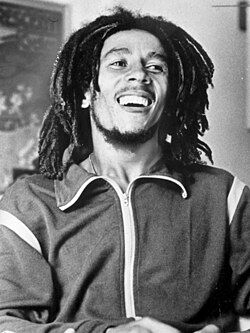
Portrait of Bob Marley
ISFP · The Adventurer Real person

Bob Marley

Singer-songwriter

Key patterns

  • Conviction communicated through musical expression
  • Values expressed in a concrete public gesture
  • Art connected with dignity and belonging

Personality interpretation

Marley’s connection between musical expression and deeply held convictions offers an ISFP-like public example.

Marley’s music carried concerns about freedom, dignity and belonging into performance. At the One Love Peace Concert, he brought rival Jamaican political leaders together on stage, making a musical event the setting for a concrete appeal for reconciliation.

An ISFP interpretation foregrounds convictions expressed through an immediate artistic medium. An ENFP or ENFJ reading can emphasise public mobilisation instead; a message in music does not establish every aspect of its author’s personality.

“We don’t have education, we have inspiration”

Bob Marley · Time Will Tell documentary (1992), excerpt; via Wikiquote

“My richness is Life, forever.”

Bob Marley · 60 Minutes interview (excerpt), via Wikiquote
Sources and image credits

Sources document the biography, work or character portrayal; the personality interpretation is TypologyOnline’s editorial reading.

Image: Not credited, Public domain. Displayed as a cropped thumbnail.
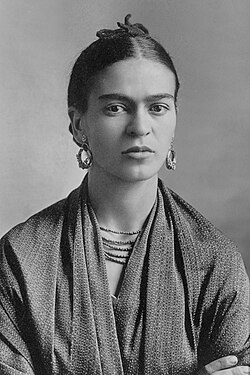
Portrait of Frida Kahlo
ISFP · The Adventurer Real person

Frida Kahlo

Painter

Key patterns

  • Individual experience given visual form
  • Identity explored through self-portraiture
  • Concrete imagery carrying personal meaning

Personality interpretation

Kahlo’s personally charged visual language offers an ISFP-like perspective on art rooted in individual experience.

Kahlo’s self-portraits and other paintings connect the body, identity and lived experience through a distinctive visual language. The Frida Kahlo Museum’s account places artworks alongside the circumstances and objects of her life, making their personal context visible.

An ISFP reading foregrounds meaning expressed through concrete images. An INFP interpretation can emphasise symbolism instead; neither artistic style nor experiences of illness establish the artist’s psychological type.

“I paint self-portraits because I am so often alone, because I am the person I know best.”

Frida Kahlo · Así, 17 March 1945 (translation); via Wikiquote
Sources and image credits

Sources document the biography, work or character portrayal; the personality interpretation is TypologyOnline’s editorial reading.

Image: Guillermo Kahlo, Public domain. Displayed as a cropped thumbnail.
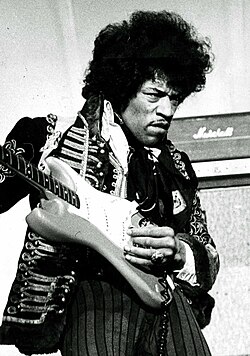
Portrait of Jimi Hendrix
ISFP · The Adventurer Real person

Jimi Hendrix

Guitarist and songwriter

Key patterns

  • Expressive possibilities discovered through playing
  • A personally distinctive guitar sound
  • Studio choices shaped by an artistic vision

Personality interpretation

Hendrix’s self-developed guitar language and attention to expressive sound support an ISFP-style interpretation.

Hendrix explored feedback, distortion and studio techniques to widen what an electric guitar could express. His official biography describes learning through listening and increasingly taking control of the sound he wanted to create.

An ISFP reading emphasises a personally distinctive language developed through direct musical experience. An ISTP reading may emphasise technique; the interpretation concerns how expressive purpose and physical craft connect, not the assumption that every musician is ISFP.

“Blues is easy to play, but hard to feel.”

Jimi Hendrix · Crosstown Traffic (1989), via Wikiquote

“I don’t really live on compliments.”

Jimi Hendrix · The Dick Cavett Show, 9 September 1969 (excerpt); via Wikiquote
Sources and image credits

Sources document the biography, work or character portrayal; the personality interpretation is TypologyOnline’s editorial reading.

Image: Original photographer unknown, Public domain. Displayed as a cropped thumbnail.
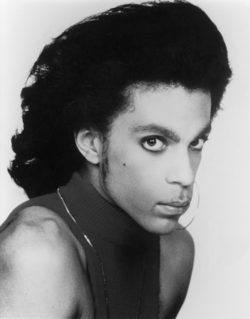
Portrait of Prince
ISFP · The Adventurer Real person

Prince

Musician, songwriter and producer

Key patterns

  • Personal expression through instrumental craft
  • Hands-on responsibility for an album
  • A distinctive creative direction

Personality interpretation

Prince’s hands-on musical independence and pursuit of a distinctive sound offer an ISFP-like creative example.

On his debut album For You, Prince took responsibility for vocals, instruments and production. The official album account shows a creative project built through direct involvement in sound rather than through songwriting alone.

An ISFP reading emphasises personal expression realised through practical craft. His commanding stage persona also permits more extraverted interpretations; performing energy cannot establish how an artist relates to the rest of life.

“I just send him a tape, we talk on the phone”

Prince · Keyboard interview, January 2000 (excerpt); via Wikiquote

“we all need one another”

Prince · Tavis Smiley interview, 27 April 2009 (excerpt); via Wikiquote
Sources and image credits

Sources document the biography, work or character portrayal; the personality interpretation is TypologyOnline’s editorial reading.

Image: Unknown photographer; cropped and retouched version credited in the file record, Public domain. Displayed as a cropped thumbnail.