Skip to content
Famous & Fictional Types · INFJ

Famous & Fictional INFJs

Explore public figures and fictional characters through INFJ-like attention to meaning, moral direction and the deeper patterns behind human experience.

These are editorial interpretations. Real people did not complete a verified assessment for these pages; fictional characters may be interpreted differently across stories and adaptations. Quotations add context; they cannot establish a type.

INFJ The Advocate

5 examples

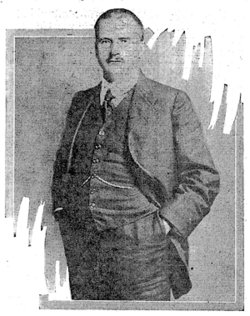
Carl Jung in a portrait published in 1912
INFJ · The Advocate Real person

Carl Jung

Psychiatrist and analytical psychologist

Key patterns

  • Symbolic interpretation of inner experience
  • Connections between individual and wider patterns
  • Psychological development as a sustained concern

Personality interpretation

Jung’s sustained interest in symbolism and the meaning of inner experience provides an illustration of an INFJ-like interpretive approach.

Jung developed analytical psychology around questions of inner life, symbolism and psychological development. His attention to dreams and recurring images connected individual experiences with wider patterns rather than treating each event as an isolated occurrence.

An INFJ reading emphasises interpretive depth and a concern with personal development. Writing about psychological types does not establish Jung’s own type, and his theoretical work can also support an INTP reading.

“They can never be solved, but only outgrown.”

Carl Jung · The Secret of the Golden Flower, commentary (excerpt); via Wikiquote

“Emotion is the chief source of all becoming-conscious.”

Carl Jung · Psychological Aspects of the Mother Archetype (excerpt), via Wikiquote
Sources and image credits

Sources document the biography, work or character portrayal; the personality interpretation is TypologyOnline’s editorial reading.

Image: Unknown artist; published in The New York Times, 1912, Public domain. Displayed as a cropped thumbnail.
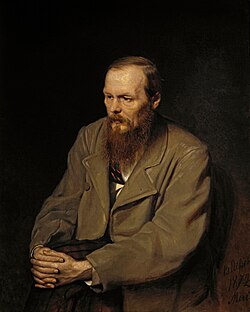
Portrait of Fyodor Dostoyevsky
INFJ · The Advocate Real person

Fyodor Dostoyevsky

Novelist

Key patterns

  • Attention to motives beneath actions
  • Ideas explored through moral conflict
  • Psychological consequences within relationships

Personality interpretation

Dostoyevsky’s exploration of guilt, conviction and moral conflict offers an INFJ-like lens on his literary work.

Crime and Punishment follows an individual’s attempt to justify a destructive act and the psychological consequences that follow. Dostoyevsky places ideas inside emotionally and morally complex relationships, showing how a private theory can collide with lived human experience.

The INFJ interpretation foregrounds this search for underlying motives and moral meaning. A novelist is not identical to a character or narrator; the writing illustrates a pattern of interest without confirming the author’s personality.

“Man is a mystery”

Fyodor Dostoyevsky · Personal correspondence (1839), M. A. Minihan translation; via Wikiquote

“I occupy myself with this mystery, because I want to be a man.”

Fyodor Dostoyevsky · Personal correspondence (1839), M. A. Minihan translation (excerpt); via Wikiquote
Sources and image credits

Sources document the biography, work or character portrayal; the personality interpretation is TypologyOnline’s editorial reading.

Image: Vasily Perov, Public domain. Displayed as a cropped thumbnail.
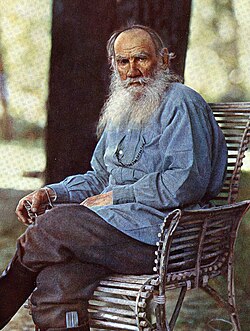
Portrait of Leo Tolstoy
INFJ · The Advocate Real person

Leo Tolstoy

Novelist and moral thinker

Key patterns

  • Sustained examination of life’s meaning
  • Moral convictions extending beyond writing
  • Search for a coherent way of living

Personality interpretation

Tolstoy’s search for meaning and effort to connect convictions with a way of living support an INFJ-style interpretation.

Tolstoy’s later life involved an intense examination of faith, conscience and the meaning of an accomplished life. His moral writing moved beyond literary observation towards questions about how people should live and what obligations their convictions create.

An INFJ reading highlights the search for a unifying moral direction. His practical reforming concerns also permit other interpretations; this is a reading of documented themes, not a judgement about the consistency of his entire life.

“The vocation of every man and woman is to serve other people.”

Leo Tolstoy · What Is To Be Done?, N. H. Dole translation; via Wikiquote

“And life is in labor.”

Leo Tolstoy · What Is To Be Done?, N. H. Dole translation (excerpt); via Wikiquote
Sources and image credits

Sources document the biography, work or character portrayal; the personality interpretation is TypologyOnline’s editorial reading.

Image: Sergei Prokudin-Gorskii, Public domain. Displayed as a cropped thumbnail.

INFJ · The Advocate Fictional character

Obi-Wan Kenobi

Jedi mentor · Star Wars

Key patterns

  • Mentorship shaped by a larger purpose
  • Long-term protection of Luke
  • Personal restraint in service of responsibility

Personality interpretation

Obi-Wan’s mentorship and long-term commitment to protecting a future beyond himself support an INFJ reading.

Across Star Wars, Obi-Wan guides Anakin and later Luke, attempting to connect immediate choices with a larger responsibility. His years protecting Luke show a commitment that continues even when its eventual outcome remains uncertain.

An INFJ interpretation foregrounds patient guidance and meaning-led commitment. His allegiance to Jedi duty can also support an ISFJ or ISTJ reading; different periods of the character’s life emphasise different aspects.

“Your eyes can deceive you. Don’t trust them.”

Obi-Wan Kenobi — character dialogue · A New Hope (1977), quoted by StarWars.com
Sources

Sources document the biography, work or character portrayal; the personality interpretation is TypologyOnline’s editorial reading.

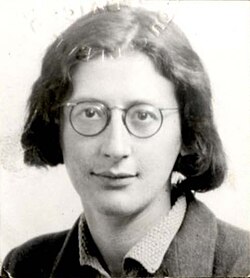
Portrait of Simone Weil
INFJ · The Advocate Real person

Simone Weil

Philosopher and social thinker

Key patterns

  • Attention to overlooked human experience
  • Ethical questions connected with lived conditions
  • Conviction pursued beyond abstract discussion

Personality interpretation

Weil’s attention to suffering, obligation and the relationship between thought and action illustrates an INFJ-like moral focus.

Weil connected philosophy with questions about work, power and the experience of people whose suffering is overlooked. Her decision to undertake factory work and her writing on attention reflect an effort to understand difficult realities through more than detached theory.

The INFJ interpretation centres on meaning, ethical attention and a direction shaped by conviction. Her intellectual independence could also support an INFP reading; neither self-sacrifice nor religious interest identifies a type by itself.

“Whenever one tries to suppress doubt, there is tyranny.”

Simone Weil · Lectures in Philosophy, Hugh Price translation; via Wikiquote

“Love is not consolation, it is light.”

Simone Weil · Quoted in E. W. F. Tomlin’s Simone Weil (1954), via Wikiquote
Sources and image credits

Sources document the biography, work or character portrayal; the personality interpretation is TypologyOnline’s editorial reading.

Image: Unknown photographer, Public domain. Displayed as a cropped thumbnail.