Skip to content
Famous & Fictional Types · ESTP

Famous & Fictional ESTPs

Explore public figures and fictional characters through ESTP-like direct engagement, situational resourcefulness and responses shaped by immediate feedback.

These are editorial interpretations. Real people did not complete a verified assessment for these pages; fictional characters may be interpreted differently across stories and adaptations. Quotations add context; they cannot establish a type.

ESTP The Entrepreneur

4 examples

Portrait of Anthony Bourdain
ESTP · The Entrepreneur Real person

Anthony Bourdain

Chef, author and travel broadcaster

Key patterns

  • Learning through food and direct experience
  • Candid engagement with people and places
  • Observation within an unfolding situation

Personality interpretation

Bourdain’s interest in learning through food, places and conversation supports an ESTP-style interpretation.

Bourdain’s CNN interview describes a career moving from professional kitchens into travel broadcasting. Food became a way to meet people and explore places through direct experience, with conversation and observation taking precedence over a distant tourist summary.

An ESTP reading emphasises immersion, candid interaction and learning in the situation itself. His reflective writing can also support other interpretations; the public presenter and the private person should not be collapsed into one persona.

“Meals make the society, hold the fabric together”

Anthony Bourdain · BookPage interview (excerpt), via Wikiquote

“If I believe in anything, it is doubt.”

Anthony Bourdain · Quoted in a New York Times appraisal (excerpt), via Wikiquote
Sources and image credits

Sources document the biography, work or character portrayal; the personality interpretation is TypologyOnline’s editorial reading.

Image: Peabody Awards, CC BY 2.0. Displayed as a cropped thumbnail.
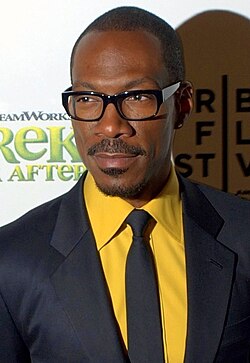
Portrait of Eddie Murphy
ESTP · The Entrepreneur Real person

Eddie Murphy

Actor and comedian

Key patterns

  • Timing and delivery central to performance
  • Social observation expressed through characters
  • Direct engagement with an audience

Personality interpretation

Murphy’s quick characterisation and lively performance style offer an ESTP-like public example.

Murphy moved from stand-up and Saturday Night Live into film comedy, using vocal shifts, characters and direct audience appeal. His work makes humour visible through delivery and timing, not only through an abstract idea.

An ESTP interpretation foregrounds responsive performance and social observation. An ENTP reading can emphasise inventive character-building; the stage persona should not be treated as a verified account of his private life.

“There’s nothing like making people laugh”

Eddie Murphy · CBS Sunday Morning interview, 29 December 2019 (excerpt)

“I’ve always been really comfortable in my skin.”

Eddie Murphy · CBS Sunday Morning interview, 29 December 2019 (excerpt)
Sources and image credits

Sources document the biography, work or character portrayal; the personality interpretation is TypologyOnline’s editorial reading.

Image: David Shankbone, Public domain. Displayed as a cropped thumbnail.

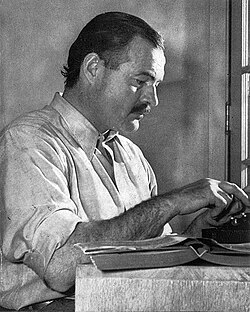
Portrait of Ernest Hemingway
ESTP · The Entrepreneur Real person

Ernest Hemingway

Writer and journalist

Key patterns

  • First-hand settings informing creative work
  • Direct engagement through reporting
  • Experience translated into concrete storytelling

Personality interpretation

Hemingway’s movement between reporting, travel and first-hand experience offers an ESTP-like lens on his public life.

Hemingway worked as a reporter and encountered war through service and journalism, drawing on lived settings in his fiction. The Nobel biography connects his writing with places and activities he experienced rather than presenting his career as entirely secluded literary work.

An ESTP reading emphasises direct engagement and experience as material for judgement. An ISTP interpretation can emphasise his economical craft; adventurous subject matter does not by itself determine a writer’s personality.

“A man’s got to take a lot of punishment to write a really funny book.”

Ernest Hemingway · Letter, 6 December 1924; via Wikiquote
Sources and image credits

Sources document the biography, work or character portrayal; the personality interpretation is TypologyOnline’s editorial reading.

Image: Lloyd Arnold, Public domain. Displayed as a cropped thumbnail.

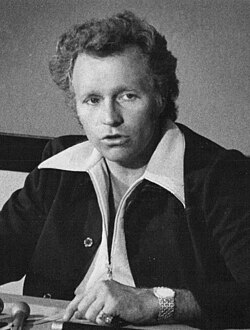
Portrait of Evel Knievel
ESTP · The Entrepreneur Real person

Evel Knievel

Stunt performer and promoter

Key patterns

  • Physical performance directed towards a live event
  • Showmanship and public promotion
  • Immediate feedback from an audience

Personality interpretation

Knievel’s combination of physical spectacle and public promotion offers an ESTP-like interpretation of his working persona.

Knievel built a public career around motorcycle jumps and the promotion of ambitious live spectacles. His official biography connects performance with showmanship, making the event and the audience’s anticipation central to the enterprise.

An ESTP reading highlights immediate physical engagement and a feel for spectacle. Recklessness is not an ESTP requirement, and this interpretation does not recommend imitation or make a claim about his less visible private preferences.

“There’s just no quit in me.”

Evel Knievel · Vanity Fair interview, November 2007 (excerpt)

“I don’t want to die”

Evel Knievel · Vanity Fair interview, November 2007 (excerpt)
Sources and image credits

Sources document the biography, work or character portrayal; the personality interpretation is TypologyOnline’s editorial reading.

Image: Unknown photographer, Public domain. Displayed as a cropped thumbnail.